
Infrabel’s €16.4B Rail Revolution: Belgium’s Future
This article analyzes Infrabel’s €16.4 billion ten-year investment plan (2023-2032), focusing on its €1 billion loan secured to accelerate key infrastructure projects, addressing critical capacity increases on major freight and passenger routes, enhancing connectivity to Belgian ports, and supporting a modal shift away from road transport, with significant implications for Belgium’s transportation network and economic development.
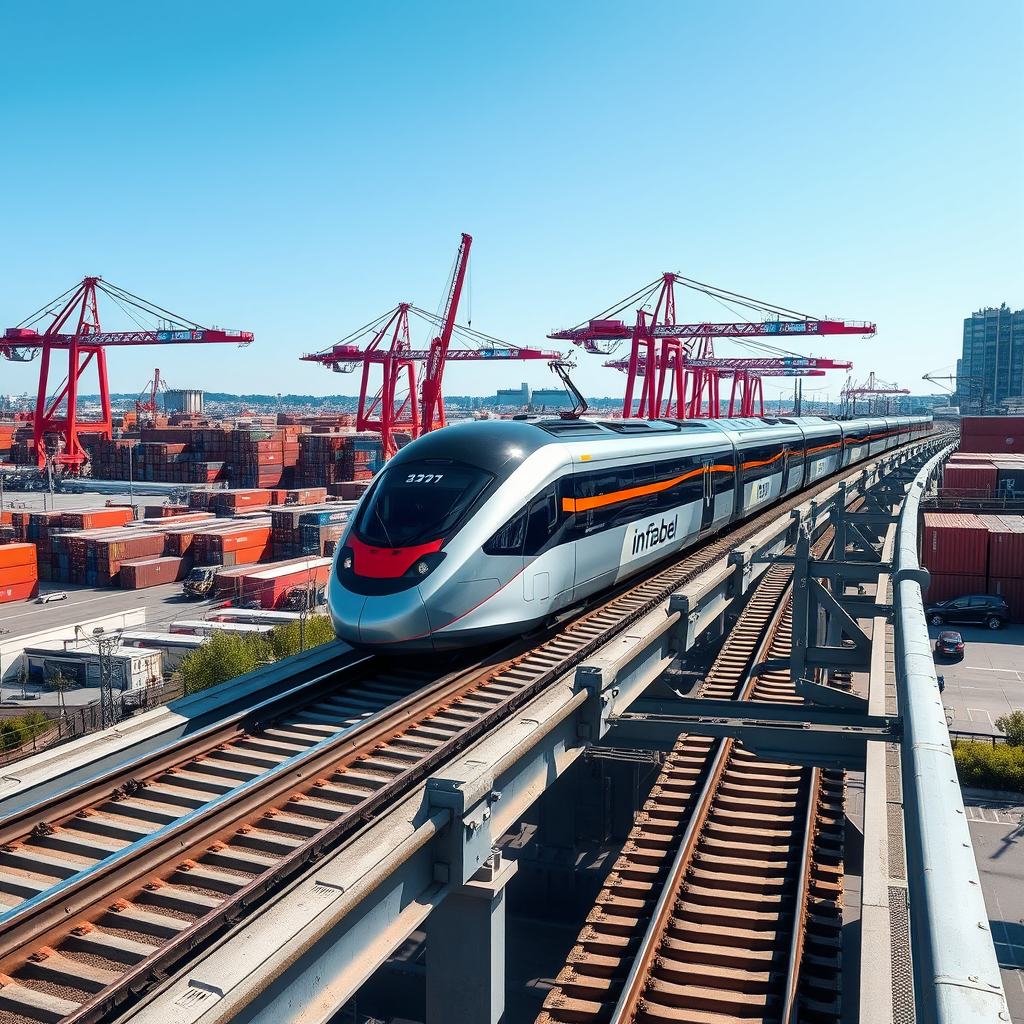
This article analyzes Infrabel’s (the Belgian rail infrastructure manager) ambitious €16.4 billion ($17.6 billion) ten-year investment plan (2023-2032), focusing on its €1 billion loan secured to accelerate key infrastructure projects. The plan addresses critical capacity increases on major freight and passenger routes, enhancing connectivity to key Belgian ports and supporting a modal shift away from road transport. We will examine the strategic rationale behind this significant investment, the specific projects it encompasses, the financial mechanisms employed, and the broader implications for Belgium’s transportation network and economic development. This analysis will delve into the technical aspects of the planned upgrades, the political considerations involved in securing such substantial funding, and the potential long-term benefits and challenges associated with this large-scale infrastructure endeavor. The impact on sustainable transportation, economic competitiveness, and overall societal well-being will also be considered.
Strategic Infrastructure Development
Infrabel’s investment plan prioritizes enhancing capacity and connectivity on critical rail corridors. This includes the crucial Flemish corridor linking Bruges and Ghent, vital for both passenger and freight transport, and the southeastern route connecting Ottignies-Louvain (near Brussels) to Luxembourg, a significant freight artery. The expansion of rail infrastructure to support inland ports in Brussels and Ghent, and the Antwerp seaport, aims to facilitate a modal shift from road to rail, reducing congestion and environmental impact. The completion of the Brussels regional “S-Train” or RER (Regional Express Rail) network is a central component, significantly improving commuter transport within the Brussels metropolitan area. These projects are not isolated but interconnected, creating a more efficient and integrated railway system.
Financial Mechanisms and Governance
The €1 billion loan from the Belgian Federal Debt Agency, disbursed in two tranches (€800 million in 2025 and the remaining amount later), represents a significant financial commitment. This signifies a strong governmental backing of the plan. The remaining €15.4 billion of funding will come from a variety of sources, including existing Infrabel budgets and possibly additional governmental support. This approach highlights the importance placed on this infrastructure development. The decision by Infrabel’s Board of Directors to secure this loan demonstrates a proactive approach to addressing the growing demand on the rail network and highlights the commitment to completing large-scale infrastructure upgrades. The transparent involvement of the Belgian Federal Mobility Minister underscores the government’s strategic alignment with Infrabel’s goals.
Technological and Operational Improvements
Beyond simple line capacity expansions, the plan likely incorporates technological upgrades to improve efficiency and safety. This could include the deployment of advanced signaling systems (ETCS – European Train Control System), improved track maintenance technologies, and potentially investments in rolling stock (trains) to enhance capacity and reliability. The focus on port connectivity suggests investments in specialized freight handling equipment and infrastructure are also part of the plan. While specifics may not be publicly available, the overall ambition of the project implies significant technological modernization alongside physical infrastructure developments.
Socio-economic Impacts and Sustainability
The successful implementation of this plan promises significant societal and economic benefits. Improved rail connectivity will facilitate greater regional integration, stimulate economic activity, and enhance the competitiveness of Belgian ports. The shift away from road transport is expected to reduce traffic congestion, improve air quality, and contribute to Belgium’s environmental sustainability goals. The enhanced commuter rail network (RER) will improve the quality of life for residents in the Brussels region. However, challenges remain, including managing the complexities of a large-scale infrastructure project, ensuring timely completion, and managing potential disruptions during construction. Effective stakeholder communication and proactive risk management will be crucial for successful implementation.
Conclusions
Infrabel’s €16.4 billion investment plan represents a bold and ambitious undertaking to modernize Belgium’s railway infrastructure. The secured €1 billion loan underscores the commitment to accelerating key projects, enhancing capacity on crucial routes, and improving connectivity to major ports. The plan’s focus on the Flemish corridor (Bruges-Ghent), the Ottignies-Louvain to Luxembourg line, and the expansion of port rail access aims to increase efficiency, reduce reliance on road transport, and stimulate economic growth. The completion of the Brussels RER network is a pivotal element, boosting regional commuter services. This strategic investment goes beyond simply adding capacity; it involves a significant modernization of signaling, track maintenance, and potentially rolling stock. The projected socio-economic benefits are substantial, encompassing improved regional integration, enhanced port competitiveness, reduced traffic congestion, and environmental sustainability improvements. However, successful implementation will require meticulous planning, effective risk management, and proactive communication with stakeholders. The long-term success hinges not only on the timely delivery of infrastructure upgrades but also on the sustained political will and financial commitment to maintain and further develop the modernized rail network. The government’s enthusiastic support indicates a strong commitment to this long-term vision, which, if successfully realized, will profoundly shape Belgium’s transportation landscape and contribute to its economic prosperity and environmental goals. The detailed technical specifications and precise budgetary allocation for each project will be crucial factors in determining the overall success and long-term impact of this significant investment.

Railway infrastructure, rolling stock and transport technologies specialist focused on global rail industry developments, high-speed rail systems, signaling technologies and freight transportation. Covering railway investments, public transport modernization, rail operations and international mobility projects across Europe, Asia and North America.
RELATED POSTS

October 1, 2026 7:09 am
United States regulators confirmed a September 30 deadline for the...

October 4, 2026 5:14 pm
Alstom secured a CA$4.7 billion order from VIA Rail Canada...
October 1, 2026 10:14 am
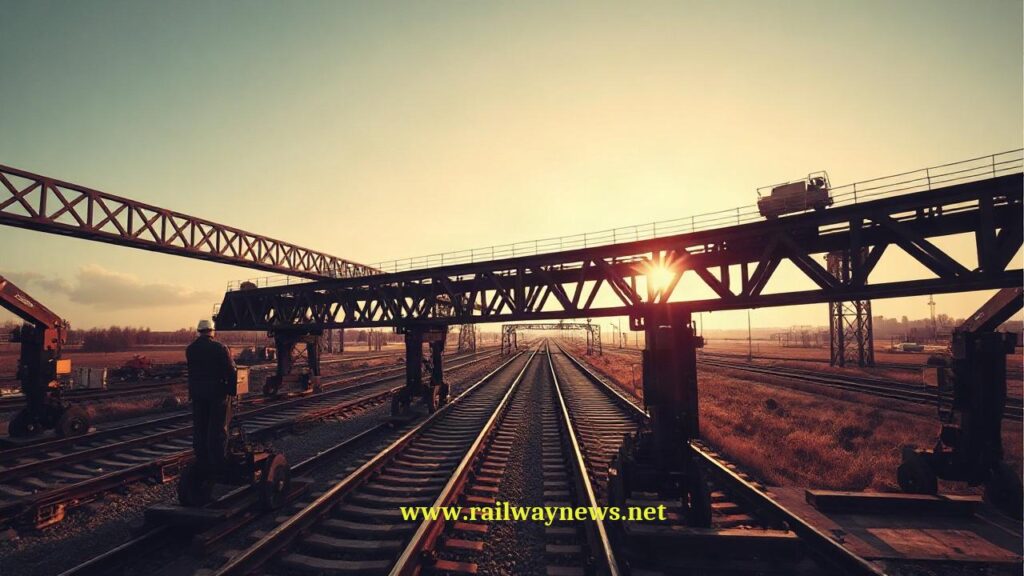
HS2 installed a 55-metre steel span in Birmingham, completing phase...
October 1, 2026 11:14 pm
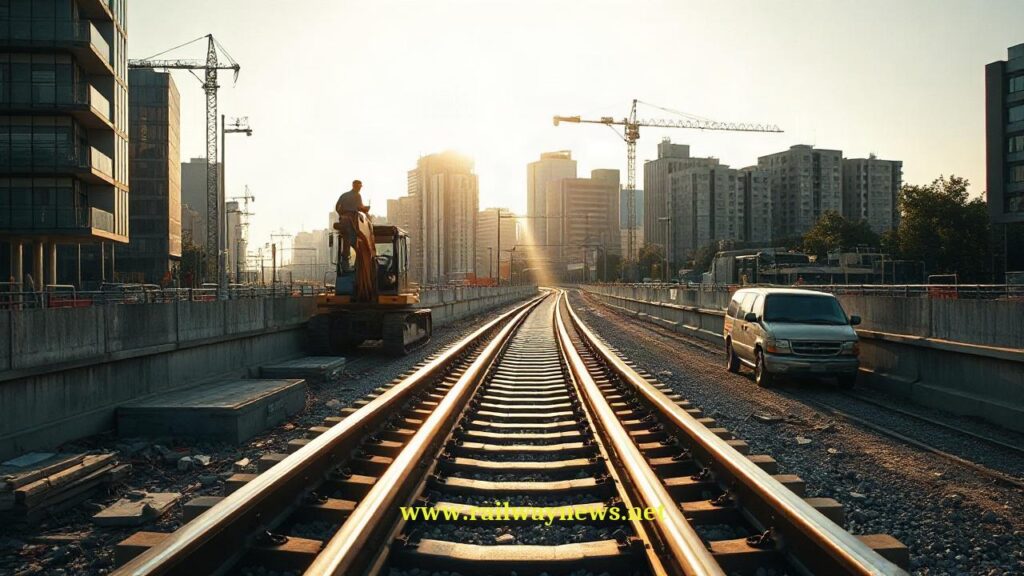
CATS confirmed a six-mile streetcar route in Charlotte to add...
October 1, 2026 11:13 am
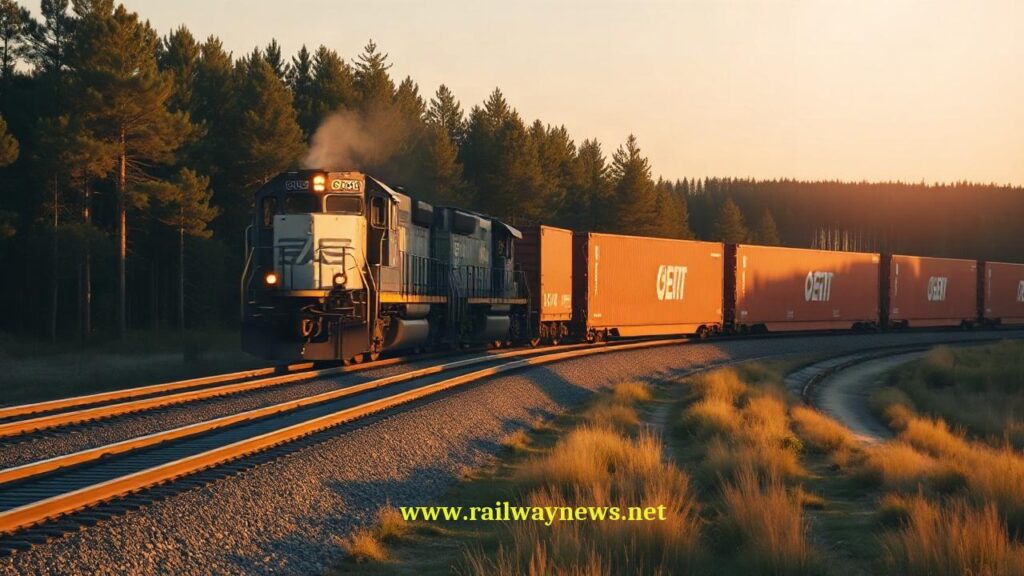
Norfolk Southern expanded its 3B Corridor in Alabama in 2025,...
October 1, 2026 1:12 pm
CSX expanded Queensgate Yard in Cincinnati by installing 42 power...