
LA Metro’s K Line: Ridership Surge & System-Wide Challenges
LA Metro’s K Line saw a surge in ridership, but overall system ridership fell. New LAX transit center boosted K Line, but broader factors impacted the whole system.
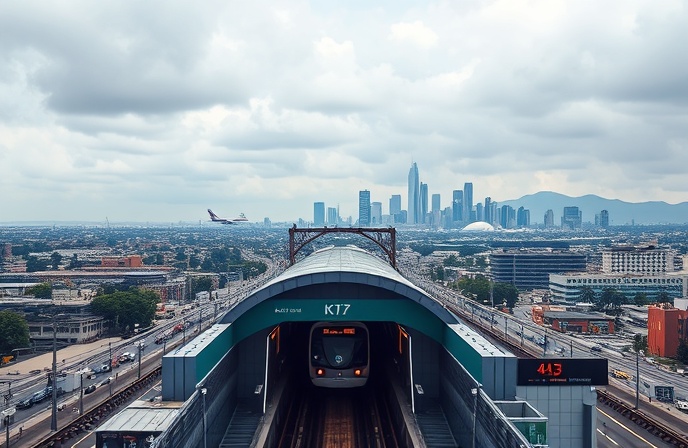
K Line Ridership Surges, Yet LA Metro Faces System-Wide Challenges
Los Angeles County Metropolitan Transportation Authority (LA Metro) experienced a mixed bag of fortunes in June. While the opening of the much-anticipated LAX/Metro Transit Center on June 6th fueled a dramatic rise in ridership on the K Line light-rail, overall system ridership decreased for the first time in 30 months. This juxtaposition highlights the complex dynamics of urban transit in a changing environment. This article will explore the significant impact of the LAX Transit Center on the K Line, analyze the factors behind the system-wide ridership decline, and consider the implications for LA Metro and other urban transit agencies. The recent events have presented both opportunities and challenges for the agency. This piece explores the recent shifts in passenger behavior in the wake of a significant transit center opening and a downturn in total passenger usage during the same period.
K Line’s Ridership Renaissance
The K Line, a critical component of LA Metro’s light-rail network, saw an unprecedented surge in ridership following the opening of the LAX/Metro Transit Center. This new transit hub seamlessly connects Los Angeles International Airport (LAX) with the regional transit network, significantly improving accessibility for both local residents and air travelers. This strategic integration has transformed the K Line’s utility, allowing for a streamlined travel experience. This has created a new, continuous loop of transport from Expo/Crenshaw Station to Redondo Beach. The success of this new transit hub is further demonstrated in the data collected in June. Weekday ridership on the K Line soared by 139.5%, with Saturday and Sunday ridership increasing by 198.9% and 214.9%, respectively.
LAX/Metro Transit Center: A Catalyst for Change
The LAX/Metro Transit Center’s impact extends beyond simply connecting the airport with public transport. The project has streamlined travel logistics, eliminating the need for lengthy transfers and reducing reliance on personal vehicles. By improving the accessibility of the K Line, the transit center promotes a more sustainable and efficient mode of travel for a significant portion of the population. This can also reduce traffic and parking congestion in the airport and surrounding areas, improving mobility options for locals and travelers alike. The implementation of the transit center also presented the agency with logistical and operational challenges during its opening period.
System-Wide Ridership Downturn: A Complex Landscape
Despite the K Line’s success, overall ridership across the LA Metro system declined in June, a concerning trend after a period of sustained growth. Data showed a 6% decrease, with 23,751,589 boardings in June, compared to the same month in 2024. LA Metro officials attributed this decline to a combination of factors, including a surge in activity related to Trump administration immigration enforcement and the large-scale protests that followed. The decrease in ridership across the entire network indicates wider issues that the agency has to deal with beyond the expansion of the K Line. The impact of this decline also brings into question if the increased ridership experienced by the K Line can offset it.
External Factors and Future Outlook
The recent challenges faced by LA Metro highlight the complex interplay of external factors and transit performance. Immigration enforcement activity and associated protests had a direct effect on the system’s performance during the period. The impacts of these issues on ridership emphasize the need for urban transit agencies to be flexible and adapt to external influences. The overall performance of the K Line suggests a clear positive impact from new transportation hubs. The agency’s performance with the K Line has presented key lessons that other agencies can employ.
Conclusion
To summarize, the recent performance of LA Metro reveals a nuanced picture of transit in a dynamic environment. The LAX/Metro Transit Center has demonstrably boosted ridership on the K Line, serving as a positive example of transit expansion and improved accessibility. However, the system-wide decline in ridership, attributed to external social and political factors, underscores the vulnerability of urban transit to broader societal issues. The contrast provides a valuable case study for other transit agencies navigating similar challenges. LA Metro must continue to analyze passenger trends and work on strategies to mitigate external factors that influence ridership. The future of LA Metro will depend on its ability to sustain momentum, enhance user experience, and respond to the changing needs of a diverse and dynamic community. Moving forward, the agency must develop strategic initiatives and assess operational models to capitalize on opportunities.

Railway infrastructure, rolling stock and transport technologies specialist focused on global rail industry developments, high-speed rail systems, signaling technologies and freight transportation. Covering railway investments, public transport modernization, rail operations and international mobility projects across Europe, Asia and North America.
RELATED POSTS

August 4, 2026 1:11 pm
Hitachi Rail Canada secured a $407.7M contract to install CBTC...

August 4, 2026 11:12 am
MBTA confirmed a $150.8 million overhaul of the 85-year-old Green...

August 1, 2026 7:56 am
BMZ delivered two new TEM18DM diesel shunting locos to RZD...

August 2, 2026 5:10 am
ZIM and MSC launched a weekly Asia-Jacksonville container service on...

August 1, 2026 8:06 pm
European Commission approved a regulation on 9 July 2026 requiring...

August 2, 2026 5:11 pm
Port of Long Beach awarded Jacobs a contract to manage...