
TransPennine Route Electrification: Faster, Greener Rail Journeys
TransPennine Route Upgrade electrification advances, bringing faster, greener rail travel. 7.5km of wiring complete, electric services coming soon.
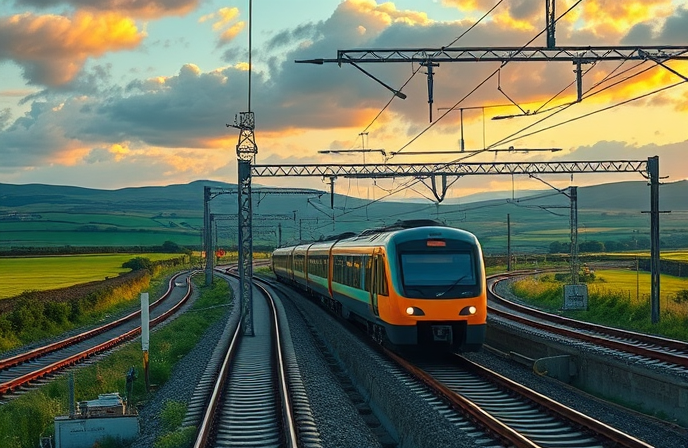
Electrification Advances on the TransPennine Route: Faster, Greener Journeys on the Horizon
A significant step forward has been achieved in the electrification of the TransPennine Route Upgrade (TRU), promising enhanced passenger services and a reduced carbon footprint. With 7.5km of new wiring now completed between Micklefield and Church Fenton, and electric passenger services soon to launch between York and Church Fenton, the project is rapidly progressing. This article details the recent infrastructure upgrades, the strategic importance of the work, and the broader implications for the future of rail travel in the region. The advancements, spearheaded by Network Rail, are part of a wider initiative to deliver a modern, efficient, and environmentally conscious railway network across the north of England. These improvements aim to provide passengers with a better, more reliable, and sustainable rail experience.
Overhead Line Equipment Installation Accelerates Electrification
The core of the recent works focused on the installation of Overhead Line Equipment (OLE), a critical component for electric train operation. Following the earlier installation of OLE masts, the 7.5km of wiring between Micklefield and Church Fenton represents a major milestone. This is a key step in facilitating the launch of electric passenger services in the coming months. The project’s commitment to electrification extends beyond this area, with work also underway in the Barkston Ash area. These infrastructure improvements are fundamental to enabling cleaner, greener services throughout the region, marking a key step towards modernising the network and providing a more sustainable mode of transport. The successful implementation of electrification in this area, building on the experience gained in areas like Manchester Victoria and Stalybridge, is further proof of the TRU’s commitment to sustainable rail transport.
Track and Infrastructure Upgrades Enhance Reliability
Beyond the electrification efforts, vital infrastructure improvements were simultaneously undertaken to bolster the overall reliability and efficiency of the route. In Cross Gates, the Station Road bridge was safely demolished and replaced to accommodate the OLE infrastructure, demonstrating a commitment to upgrading existing infrastructure to fit with the new requirements of electric railways. Simultaneously, approximately 750 meters of track were renewed between Killingbeck and Cross Gates. This essential track renewal work is crucial for improving the ride quality and reducing the likelihood of service disruptions due to track-related faults. Additionally, the installation of a new track crossover provides trains with enhanced operational flexibility, allowing them to switch between lines and enabling Network Rail to keep more people moving during future stages of the TRU delivery, which will allow for better management of services and lessen the impact of disruptions.
Strategic Coordination and Operational Efficiency
The successful delivery of these upgrades was accomplished through a carefully planned line closure between Leeds and York over five weekends. This approach was supported by close collaboration between Network Rail, train operators, and other stakeholders. Train operators, including TransPennine Express and Northern, worked together to mitigate the impact on passengers. These efforts included the implementation of diversionary routes and rail replacement bus services, ensuring passengers remained connected throughout the closure period. The strategic planning and meticulous coordination between all parties involved highlight the commitment to minimizing disruption while delivering significant improvements to the railway infrastructure. This collaborative approach underscores the efficiency and effectiveness of the operation, ensuring a smooth transition to the new infrastructure.
The Future of the TransPennine Route Upgrade
Adam Sellers, senior sponsor for TRU, highlighted the importance of these recent improvements, stating they are, “a step closer to the electrification of the route between York and Manchester.” The ongoing electrification programme and the impending launch of electric passenger services represent a pivotal moment in the evolution of the railway. The combination of infrastructure enhancements, including the installation of OLE and track renewals, will unlock enhanced speed, reliability, and sustainability on the TransPennine route. With attention now shifting towards the introduction of electric passenger services, the programme is approaching another huge milestone. The TRU is working to provide a transport system that meets the needs of the 21st century, reducing emissions and providing passengers with a reliable and efficient network. The successful delivery of these projects will serve as a model for future infrastructure upgrades across the UK’s rail network.
Conclusion
The recent advancements on the TransPennine Route Upgrade signify a major leap towards a more sustainable and efficient railway network. The completion of 7.5km of wiring, along with the imminent launch of electric passenger services between York and Church Fenton, showcases the progress being made in electrifying the route. The simultaneous completion of vital infrastructure works, such as track renewals and bridge replacements, highlights a detailed approach to modernizing the network. These initiatives will not only lead to faster and greener journeys but will also improve the overall passenger experience. The careful coordination between Network Rail and train operators during the line closures demonstrates best practices in delivering complex rail projects with minimal disruption to passengers. The TRU serves as a model for railway modernization, demonstrating that significant improvements can be achieved through strategic planning, collaboration, and investment in sustainable technologies. This project’s future trajectory positions it as a key driver of the UK’s ambition to provide a modern and sustainable railway infrastructure.

Railway infrastructure, rolling stock and transport technologies specialist focused on global rail industry developments, high-speed rail systems, signaling technologies and freight transportation. Covering railway investments, public transport modernization, rail operations and international mobility projects across Europe, Asia and North America.
RELATED POSTS

October 8, 2026 1:15 pm
Alstom secured a €1bn contract to build 13 automated trains,...

October 1, 2026 7:09 am
United States regulators confirmed a September 30 deadline for the...

October 8, 2026 12:18 pm
Siemens Mobility signed an agreement with VinSpeed to supply 350...

October 4, 2026 5:14 pm
Alstom secured a CA$4.7 billion order from VIA Rail Canada...

October 5, 2026 6:12 pm
AECOM and Jacobs secured a contract in September 2026 to...

October 1, 2026 12:13 am
Illinois approved $1.5 billion annually for the Northern Illinois Transit...