
Global Railway Industry: Trends, Contracts & Innovation
This article examines significant developments in the global railway industry during a specific period, focusing on major contracts awarded, infrastructure improvements, and technological advancements that have reshaped operations and security across various projects involving rolling stock procurement, maintenance, refurbishment, and advanced security systems.
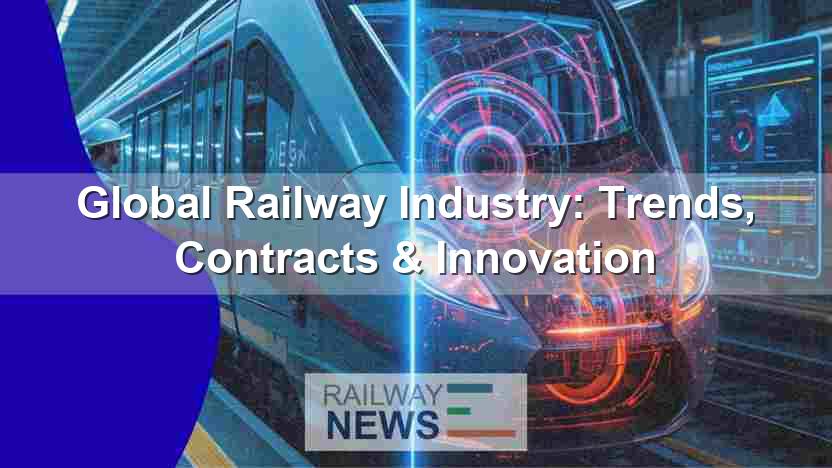
This article explores significant developments in the global railway industry during a specific period, focusing on major contracts awarded, infrastructure improvements, and technological advancements. The analysis encompasses a diverse range of activities, including the procurement of new rolling stock (EMUs – Electric Multiple Units), extensive maintenance and refurbishment projects, the implementation of advanced security systems, innovative inspection techniques, and the expansion of mass transit networks. We will examine these events through the lens of industry trends, technological innovation, and their implications for the future of railway operations. This analysis will highlight the key players involved, the financial scope of the projects, and the broader impact these initiatives have on passenger safety, efficiency, and the overall modernization of railway systems worldwide. The diverse range of projects discussed provides a valuable snapshot of current railway industry priorities and the ongoing evolution of rail technology and infrastructure.
Rolling Stock Procurement and Refurbishment
The railway industry witnessed significant investment in rolling stock acquisition and modernization during this period. Stadler, a prominent Swiss manufacturer, secured substantial contracts. The €313m ($349m) deal with MÁV-START (Hungarian State Railways) for 21 additional KISS double-decker EMUs demonstrates ongoing demand for modern, high-capacity passenger trains in Europe. This is part of a larger framework agreement, highlighting a strategic, long-term partnership between the manufacturer and the operator. Concurrently, Stadler’s $112m contract with DART (Dallas Area Rapid Transit) underscores the increasing international reach of European rolling stock manufacturers in the North American market. Meanwhile, Alstom secured a €755m contract from Avanti West Coast for the maintenance and refurbishment of 56 Pendolino trains operating on the West Coast Main Line (WCML) in the UK. This substantial investment underlines the importance of regular maintenance and periodic overhauls in ensuring the continued safe and reliable operation of high-speed rolling stock.
Technological Advancements in Railway Operations and Security
Technological innovation is rapidly transforming railway operations. The Indian Ministry of Railways’ initiative to install IP-based video surveillance systems (VSS) in 983 railway stations, funded through the Nirbhaya fund, reflects a strong emphasis on enhancing passenger safety and security. This large-scale deployment of modern surveillance technology is crucial for crime prevention and improving overall security across the Indian Railways network. In Dubai, the Roads and Transport Authority (RTA) is exploring drone technology for inspecting Dubai Metro tunnels. This innovative approach promises significant improvements in inspection efficiency and accessibility, particularly in hard-to-reach areas. The adoption of such technologies exemplifies the railway industry’s proactive approach towards leveraging technological advancements for enhanced operational efficiency and safety.
Infrastructure Development and Expansion
Major infrastructure projects are underway globally. The €443.2m green line project in São Paulo’s metro system, undertaken by a consortium including Sacyr Infrastructures and Engineering, showcases substantial investment in expanding urban rail networks to accommodate growing commuter demands. This project, with an expected completion time of 69 months, signifies the ongoing need for robust and efficient public transport systems in rapidly developing cities. Additionally, the reintroduction of refurbished Class 442 trains by South Western Railway (SWR) in the UK, featuring modern amenities like at-seat power and real-time passenger information displays, highlights the importance of upgrading existing infrastructure and enhancing the passenger experience. These examples highlight ongoing modernization efforts and the commitment to providing reliable and comfortable public transportation.
Maintenance and Service Contracts
The substantial maintenance contracts awarded underscore the significant operational costs associated with maintaining a large-scale railway network. Bombardier Transportation’s Chinese joint venture (BST) secured a $357m contract for the maintenance of 656 high-speed train cars, demonstrating the growing market for railway maintenance services in China. This highlights the long-term commitment required to sustain high-speed rail operations and the potential for significant business opportunities in this sector. The UK government’s decision to take over Northern Rail operations further illustrates the financial challenges faced by railway operators and the role governments often play in ensuring the stability of essential transport services.
Conclusion
The reviewed projects and contracts highlight several key trends in the global railway industry. Firstly, there is substantial investment in both new rolling stock and the refurbishment of existing fleets, reflecting a commitment to providing modern and efficient transportation solutions. Secondly, technological innovation is driving improvements in security, inspection techniques, and passenger information systems. The integration of IP-based video surveillance and drone technology demonstrates the railway industry’s willingness to adopt new technologies to improve safety and efficiency. Thirdly, significant infrastructure projects are expanding urban rail networks to meet the transportation needs of growing populations. The São Paulo metro expansion and the ongoing modernization of existing lines in the UK exemplify this trend. Finally, the considerable maintenance contracts awarded emphasize the substantial operational costs associated with maintaining large and complex rail networks. The diverse range of projects, from high-speed rail maintenance in China to metro expansion in São Paulo and the refurbishment of older rolling stock in the UK, demonstrates a global commitment to improving rail infrastructure, enhancing passenger experience, and ensuring the long-term sustainability and efficiency of rail networks worldwide. The ongoing advancements and investments in the railway sector signal a continued focus on passenger safety, technological innovation, and the expansion of efficient and reliable public transport systems globally. Future trends likely involve further investment in sustainable technologies, autonomous systems, and integrated ticketing and passenger information systems.

Railway infrastructure, rolling stock and transport technologies specialist focused on global rail industry developments, high-speed rail systems, signaling technologies and freight transportation. Covering railway investments, public transport modernization, rail operations and international mobility projects across Europe, Asia and North America.
RELATED POSTS

September 5, 2026 4:19 pm
CPK launched formal tender talks with four consortia to design...

September 5, 2026 7:14 pm
HS2 Ltd signed renegotiated civils contracts with EKFB and Align...

September 6, 2026 4:12 am
Alstom delivered the first of 100 new G Class trams...
September 5, 2026 6:17 pm
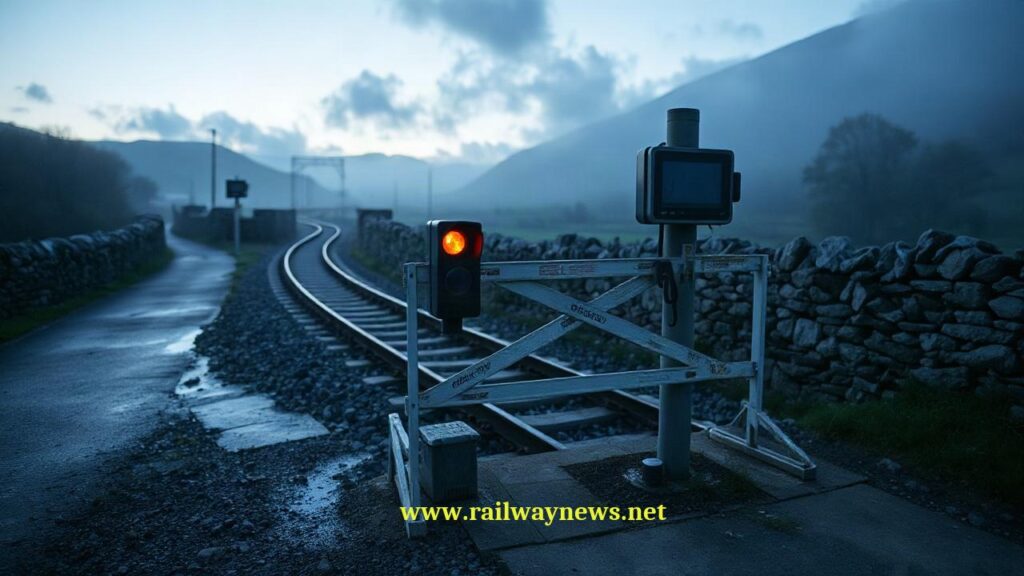
Universal Signalling won a deal to install its U-Cross system...
September 6, 2026 8:17 am
DB InfraGO reopened the Nuremberg-Regensburg line in Bavaria on 31...
September 6, 2026 12:20 pm
Indian Railways ordered a probe after a fire destroyed 2...