
Virgin Hyperloop: Passenger Test Success & Future of Travel
The successful Virgin Hyperloop passenger test ride marks a significant milestone in advancing high-speed transportation technology, paving the way for commercial viability through rigorous testing and safety certification.
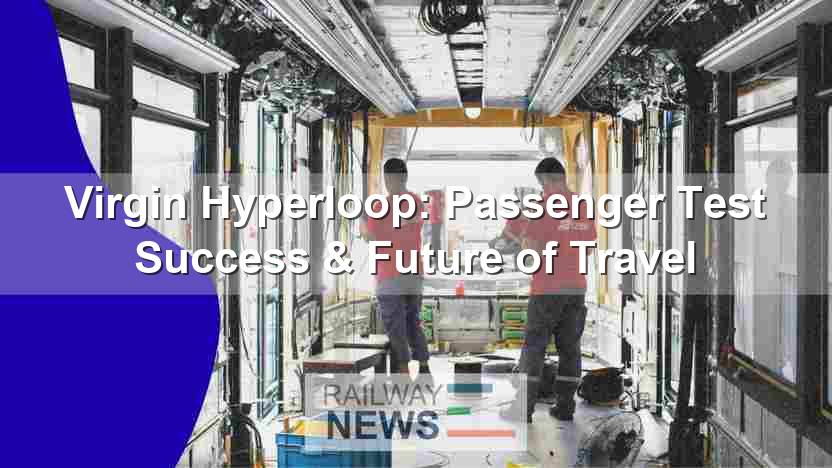
This article explores the significant advancements made by Virgin Hyperloop in the development and testing of its high-speed passenger transport system. The successful maiden passenger test ride marks a pivotal moment in the journey towards realizing a hyperloop network, potentially revolutionizing long-distance travel. This analysis will delve into the technological achievements, safety considerations, and the broader implications of this innovative transportation technology. We will examine the test methodology, the design of the XP-2 vehicle, the challenges in achieving commercial viability, and the potential impact on existing transportation infrastructure. Additionally, we’ll discuss the importance of safety certification and the projected timeline for commercial operations. The implications for sustainable transportation and the economic landscape are also crucial considerations that will be addressed in the subsequent sections.
The Technological Leap: The XP-2 Vehicle and DevLoop Testing
Virgin Hyperloop’s successful passenger test utilized the XP-2 vehicle, a significant advancement from previous iterations. Designed in collaboration with Bjarke Ingels Group (BIG) and Kilo Design, the XP-2 prioritized passenger safety and comfort, incorporating crucial features for a safe and stable ride within the hyperloop system. The test took place at the company’s 500-meter DevLoop test track in Las Vegas, a controlled environment allowing for rigorous evaluation of the system’s performance under controlled conditions. The achievement of speeds up to 107 mph (172 km/h) during the passenger test, following over 400 unmanned tests, validates the system’s capabilities and the reliability of the propulsion and levitation technologies. The successful test demonstrates significant progress in both the technological and engineering aspects of hyperloop transportation.
Safety and Certification: Paving the Way for Commercialization
A critical aspect of the hyperloop technology is ensuring the highest safety standards. Virgin Hyperloop’s commitment to safety is evident in their rigorous testing procedures, both unmanned and, now, crewed. The company’s plan to secure safety certification by 2025 is a crucial step towards achieving commercial viability. This certification process will involve extensive scrutiny by regulatory bodies to validate the system’s safety features, operational protocols, and emergency procedures. Achieving this certification will build public trust and confidence, essential for the successful adoption and widespread deployment of the technology. The selection of West Virginia as the location for the Hyperloop Certification Center (HCC) highlights the strategic importance placed on independent verification and validation of the technology.
Economic and Infrastructure Implications: A Paradigm Shift in Transportation
The successful development and deployment of a hyperloop system could have profound economic and infrastructural implications. The potential for drastically reduced travel times between cities could stimulate economic growth and regional development, creating new opportunities for businesses and communities. However, the integration of hyperloop into existing transportation networks will require significant infrastructure investment and planning. Considerations for interoperability with existing rail and air systems, as well as the development of necessary support infrastructure such as stations and maintenance facilities, are crucial for successful implementation. Careful consideration of environmental impact and sustainable practices will be necessary to ensure responsible development and deployment of this innovative technology.
The Future of Hyperloop: Towards Commercial Operations and Beyond
Virgin Hyperloop aims to launch commercial operations by 2030, a target that signifies the company’s ambition and the potential for a significant disruption in the transportation sector. The achievement of this goal relies on continued technological advancement, successful safety certification, and overcoming regulatory hurdles. Moreover, the long-term success of hyperloop will depend on factors such as securing funding, establishing partnerships, and addressing potential challenges related to public acceptance and cost-effectiveness. However, the successful passenger test is a remarkable milestone, offering a glimpse into a future where high-speed, sustainable, and efficient travel is a reality.
Conclusions
The successful maiden passenger test conducted by Virgin Hyperloop represents a monumental achievement in the field of high-speed transportation. The test, using the XP-2 vehicle at the DevLoop test site, demonstrated the feasibility of safe and efficient passenger transport using hyperloop technology, reaching speeds of up to 107 mph (172 km/h). This accomplishment builds upon extensive prior testing and marks a critical step towards commercial operations planned for 2030. The technological advancements in electric propulsion, electromagnetic levitation, and the overall system design showcase a significant leap forward in transportation engineering. The company’s commitment to safety, as evidenced by the planned 2025 safety certification, underscores the responsible approach being taken. The potential economic and infrastructural implications are substantial, promising to revolutionize long-distance travel and stimulate regional development. However, integrating hyperloop into existing transportation networks will require significant planning and investment. While challenges remain in securing funding, overcoming regulatory obstacles, and ensuring public acceptance, the successful passenger test provides compelling evidence of the future potential of hyperloop technology to transform global transportation, offering a glimpse of a faster, more efficient, and sustainable future for travel.

Railway infrastructure, rolling stock and transport technologies specialist focused on global rail industry developments, high-speed rail systems, signaling technologies and freight transportation. Covering railway investments, public transport modernization, rail operations and international mobility projects across Europe, Asia and North America.
RELATED POSTS

September 5, 2026 4:19 pm
CPK launched formal tender talks with four consortia to design...

September 5, 2026 7:14 pm
HS2 Ltd signed renegotiated civils contracts with EKFB and Align...

September 6, 2026 4:12 am
Alstom delivered the first of 100 new G Class trams...

September 5, 2026 6:17 pm
Universal Signalling won a deal to install its U-Cross system...
September 6, 2026 8:17 am
DB InfraGO reopened the Nuremberg-Regensburg line in Bavaria on 31...
September 6, 2026 12:20 pm
Indian Railways ordered a probe after a fire destroyed 2...