
Uzbekistan Rail Upgrade: $121M ADB Investment
The Asian Development Bank has approved $121 million to modernize Uzbekistan’s eastern railway network, enhancing freight and passenger transportation capabilities within the Fergana Valley region through infrastructure upgrades, technological advancements, and human capital development. This initiative aims to boost economic growth, improve regional connectivity, and provide a more efficient and environmentally friendly transport system.
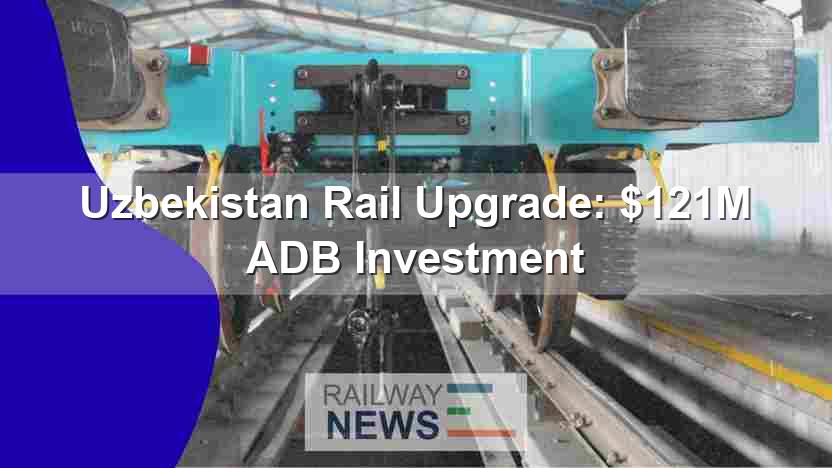
Modernizing Uzbekistan’s Railway Network: A $121 Million ADB Investment
This article explores the significant investment by the Asian Development Bank (ADB) in modernizing Uzbekistan’s eastern railway network. A $121 million loan has been approved to significantly enhance freight and passenger transportation capabilities within the Fergana Valley region. This project is crucial for bolstering Uzbekistan’s economic growth, improving regional connectivity, and providing a more efficient and environmentally friendly transportation system. The modernization efforts address outdated infrastructure, predominantly built during the Soviet era, which is currently ill-equipped to handle the demands of modern high-speed and high-volume rail traffic. The improvements are multifaceted, encompassing infrastructure upgrades, technological advancements, and human capital development. This initiative builds upon previous ADB investments in Uzbekistani rail infrastructure, demonstrating a sustained commitment to the country’s transportation sector development. The project’s success hinges on effective implementation, careful management of resources, and the successful integration of new technologies within the existing railway system. The long-term implications of this investment, reaching beyond economic gains to social and environmental benefits, will be assessed.
Infrastructure Enhancement and Capacity Building
The core of the modernization project involves upgrading the existing railway infrastructure in eastern Uzbekistan. Much of the current network dates back to the Soviet era, relying on systems designed for steam and diesel locomotives. The $121 million loan will directly address this by improving track quality, enhancing signaling systems, and upgrading rolling stock (trains and other rail vehicles). This will directly increase the carrying capacity of the freight lines and allow for a more frequent and reliable passenger service within the Fergana Valley. The project also includes the crucial element of eliminating signaling gaps through the modernization of telecommunications systems. This upgrade ensures smoother operations, improved safety, and the potential for higher train speeds. Additionally, the investment incorporates a significant training component for railway staff, equipping them with modern management techniques and operational best practices. This capacity building aspect is essential for the long-term sustainability and efficiency of the upgraded rail network.
Boosting Regional Connectivity and Economic Growth
The modernization of Uzbekistan’s eastern railway network has far-reaching implications for regional connectivity and economic growth. The Fergana Valley, a key agricultural and industrial region, will see a substantial increase in its transport capacity, facilitating the movement of goods and people. Improved transportation links will enhance trade not only within Uzbekistan but also with neighboring countries, fostering regional economic integration. The increased efficiency and reliability of the railway system will lower transportation costs for businesses, making Uzbekistani goods more competitive in regional and international markets. The project also contributes to the sustainable development goals by promoting environmentally friendly transportation alternatives. By shifting freight and passenger traffic from road to rail, the project reduces carbon emissions and contributes to a cleaner environment. Moreover, improved access to transportation links can lead to better access to education, healthcare, and employment opportunities for people living in the Fergana Valley.
Building on Past Successes and Addressing Challenges
The current $121 million ADB loan builds upon previous investments in Uzbekistan’s railway sector. A prior $80 million loan in 2017 funded the electrification of a 145.1 km railway line connecting Pap, Namangan, and Andijan, demonstrating the ADB’s commitment to long-term infrastructure development. However, the success of this project hinges on the effective management of several challenges. These include ensuring timely project implementation, managing potential disruptions during the modernization phase, and effectively integrating new technologies into the existing system. Strict adherence to environmental standards and sustainable development principles is also crucial. The success of this initiative depends on the collaboration between the ADB, the Uzbekistani government, and railway operators to address these challenges proactively.
Conclusion: A Catalyst for Sustainable Development
The Asian Development Bank’s $121 million loan for the modernization of Uzbekistan’s eastern railway network represents a substantial investment in the country’s future. This initiative goes beyond mere infrastructure upgrades; it aims to transform the transportation sector, creating a more efficient, reliable, and environmentally friendly system. By enhancing freight and passenger transportation capabilities within the Fergana Valley, the project will boost regional connectivity, stimulate economic growth, and improve access to essential services. The project’s success depends on careful planning, effective implementation, and the sustained commitment of all stakeholders. The training and capacity-building components are particularly crucial for the long-term sustainability of the modernized network. Successful completion of this project will serve as a model for future infrastructure development initiatives in Uzbekistan and the wider Central Asian region, showcasing the transformative power of strategic investments in transportation infrastructure. The anticipated increase in trade, improved access to opportunities, and environmental benefits position this as a significant contribution to Uzbekistan’s sustainable development goals, demonstrating the potential for rail modernization to drive economic growth and social progress. The ADB’s continued involvement underlines the long-term commitment to supporting Uzbekistan’s transportation sector development and solidifying its position as a regional trade and transportation hub.

Railway infrastructure, rolling stock and transport technologies specialist focused on global rail industry developments, high-speed rail systems, signaling technologies and freight transportation. Covering railway investments, public transport modernization, rail operations and international mobility projects across Europe, Asia and North America.
RELATED POSTS

September 5, 2026 4:19 pm
CPK launched formal tender talks with four consortia to design...
September 5, 2026 7:14 pm
HS2 Ltd signed renegotiated civils contracts with EKFB and Align...

September 6, 2026 4:12 am
Alstom delivered the first of 100 new G Class trams...
September 6, 2026 8:17 am
DB InfraGO reopened the Nuremberg-Regensburg line in Bavaria on 31...
September 5, 2026 6:17 pm
Universal Signalling won a deal to install its U-Cross system...
September 6, 2026 12:20 pm
Indian Railways ordered a probe after a fire destroyed 2...