
Siemens Mobility Launches Aston Station Adoption Birmingham
Siemens Mobility launched a long-term adoption programme for Aston Station in Birmingham, UK, serving over 700,000 annual passengers, to deliver environmental improvements and community engagement.
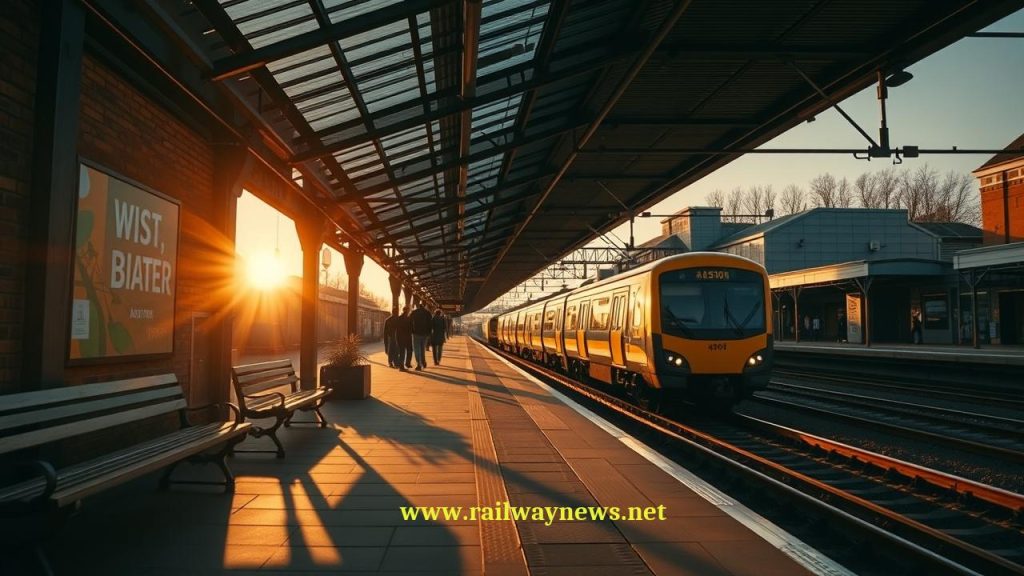
⚡ In Brief: Siemens Mobility has launched a long-term adoption programme for Aston Station in Birmingham, UK, which serves over 700,000 annual passengers, to deliver environmental improvements and community engagement in partnership with West Midlands Railway.
BIRMINGHAM, UK – Siemens Mobility, in collaboration with West Midlands Railway, has formally adopted Aston Station, which handles more than 700,000 passengers annually. The initiative aims to improve the station’s environment through volunteer work, new installations, and community outreach. This programme follows months of engagement with local organisations to identify key areas for improvement.
What Is the Full Scope of This Project?
The station adoption programme encompasses both immediate and long-term physical enhancements, alongside a sustained community and educational outreach component. Immediate actions include regular litter picks and general station upkeep, while future plans involve installing new benches, planters, and community-designed artwork. A key element is the engagement with local schools through STEM activities, which will include students designing art for display at the station, directly linking the railway with local education.
Key Project Data
| Parameter | Value |
|---|---|
| Project / Contract Name | Aston Station Adoption Programme |
| Total Value | Not disclosed |
| Parties Involved | Siemens Mobility, West Midlands Railway, local volunteers and schools |
| Timeline / Completion | Ongoing, long-term commitment |
| Country / Corridor | United Kingdom (Birmingham) |
How Does This Compare to Similar Projects?
This type of corporate-sponsored, community-led environmental improvement initiative aligns with a broader international trend. While many station adoption schemes exist across the UK rail network, the direct integration of a major engineering firm’s resources and STEM outreach is notable. The project’s focus on a community-led environmental audit mirrors other local initiatives, such as the volunteer assessments of walking routes to Syringa Elementary School in Pocatello, USA, to identify safety and environmental improvements (Source: AOL News, 2024). It also shares a conceptual basis with larger-scale corporate environmental programmes like ADM’s re:generations™ initiative in Germany, which focuses on connecting corporate resources with local agricultural partners to improve environmental outcomes (Source: edie.net, 2024).
Editor’s Analysis
Siemens Mobility’s adoption of Aston Station is a strategic move to secure its “social license to operate” in a key region. With significant ongoing work at the Birmingham Railway Operating Centre, this initiative demonstrates a long-term commitment beyond its core commercial contracts, building local goodwill and fostering a future talent pipeline through its STEM focus. This reflects a wider industry trend where major infrastructure firms are increasingly expected to deliver tangible social and community value as part of their environmental, social, and governance (ESG) commitments, rather than focusing solely on project execution.
FAQ
Q: What specific improvements are planned for Aston Station?
A: Plans include immediate practical support like litter picks and general upkeep, supplemented by longer-term enhancements such as new benches, planters, and community-designed artwork from local students.
Q: Why was Aston Station chosen for this programme?
A: Aston Station is located near Siemens Mobility’s Birmingham office and current project works, making it a key part of their local community. It is also a high-traffic station, serving over 700,000 passengers a year as a gateway to Villa Park.
Q: Is this a temporary project tied to Siemens’ current work in the area?
A: No, Siemens has stated the commitment is long-term and will continue beyond the completion of its current projects in the area. The programme is designed for ongoing volunteer activities and continuous improvements.

Railway infrastructure, rolling stock and transport technologies specialist focused on global rail industry developments, high-speed rail systems, signaling technologies and freight transportation. Covering railway investments, public transport modernization, rail operations and international mobility projects across Europe, Asia and North America.
RELATED POSTS

October 1, 2026 7:09 am
United States regulators confirmed a September 30 deadline for the...

October 1, 2026 12:13 am
Illinois approved $1.5 billion annually for the Northern Illinois Transit...

October 4, 2026 5:14 pm
Alstom secured a CA$4.7 billion order from VIA Rail Canada...

October 1, 2026 6:10 am
Amtrak approved a System Expansion Committee on July 30 to...

October 1, 2026 3:12 am
Greenbrier confirmed Brian Comstock as new president and CEO effective...

October 6, 2026 2:14 am
Union Pacific launched export rail shipments with Ferromex to deliver...