
South Shore Line Opens Monon Corridor 8-Mile Extension Dyer To Chicago
Northern Indiana Commuter Transportation District opened its 8-mile South Shore Line Monon Corridor extension connecting Dyer to Chicago on March 31, 2026.
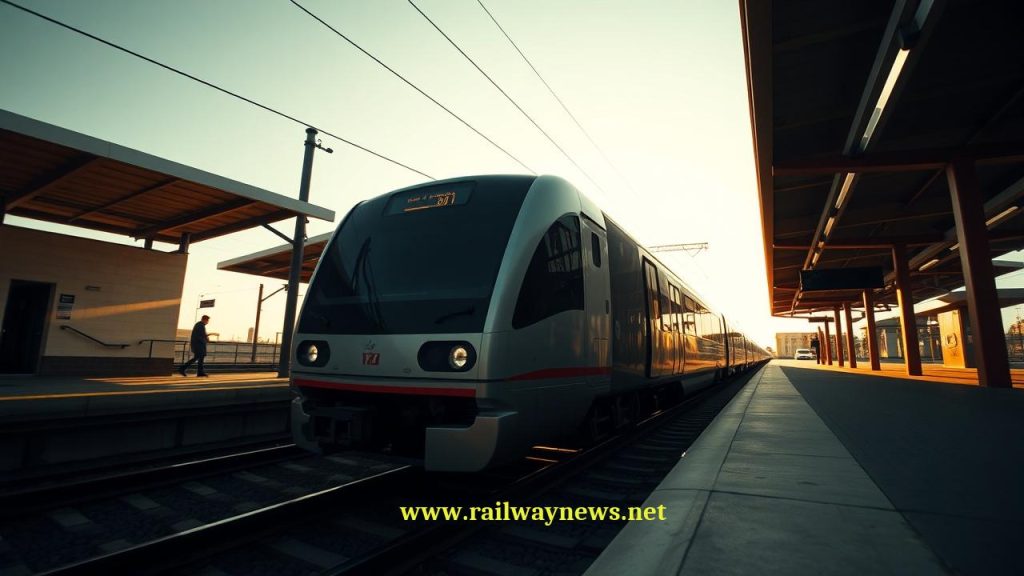
⚡ In Brief: The Northern Indiana Commuter Transportation District opened its 8-mile, four-station Monon Corridor extension for the South Shore Line on March 31, 2026, connecting Dyer, Indiana, to Chicago with a project value reported between $945 million and $1.6 billion.
CHICAGO, USA – The Northern Indiana Commuter Transportation District (NICTD) commenced passenger service on its new South Shore Line (SSL) branch, the Monon Corridor, on March 31, 2026. The project added an 8-mile extension with four new stations, connecting the Indiana communities of Hammond, Munster, and Dyer to Chicago. The expansion is part of a revised schedule adding nearly 30 new train options for weekday and weekend travel.
What Is the Full Scope of This Project?
The Monon Corridor extension is the first branch line for the South Shore Line, supplementing the existing Lakeshore Corridor to South Bend. The design-build project involved laying 8 miles of new track and constructing four stations, including elevated sections to bypass freight traffic in downtown Hammond. There is a significant discrepancy in the reported total cost, with initial figures at $945 million and later reports citing a final cost of $1.6 billion. The specific contractors for the design-build portion of the project were not disclosed in the announcements.
Key Project Data
| Parameter | Value |
|---|---|
| Project / Contract Name | South Shore Line Monon Corridor Extension |
| Total Value | $945 million – $1.6 billion (conflicting reports) |
| Parties Involved | Northern Indiana Commuter Transportation District (NICTD) |
| Timeline / Completion | Service began March 31, 2026 |
| Country / Corridor | USA / Chicago, IL to Dyer, IN |
How Does This Compare to Similar Projects?
The completion of this sub-$2 billion regional commuter line stands in stark contrast to the progress of larger rail initiatives in the United States. For example, the California High-Speed Rail project, which has yet to lay any operational track, has seen its cost estimate escalate from an initial $33 billion to a projected $126 billion (Source: Fox News, 2026). In another comparison, the privately-funded Brightline West project is actively under construction to connect Southern California and Las Vegas with true high-speed rail at speeds of 200 mph, with service anticipated to begin in 2029 (Source: CBS News, 2026). The Monon Corridor’s completion highlights a more successful execution at a regional level compared to the challenges facing national-scale high-speed projects.
Editor’s Analysis
The successful launch of the Monon Corridor demonstrates that targeted, state-level investments in conventional rail can deliver tangible results on a defined budget and timeline. This project’s focus on enhancing existing commuter networks offers a pragmatic alternative to the high-cost, high-risk nature of greenfield high-speed rail ventures in the U.S. political and economic climate. This pattern suggests a growing divergence in the U.S. rail sector, where regional upgrades are succeeding while larger, transformative projects continue to face significant headwinds (Source: CBS News, 2026).
FAQ
Q: What is the total cost of the Monon Corridor extension?
A: The reported cost varies significantly across different sources, ranging from $945 million to $1.6 billion. The reason for this discrepancy has not been officially clarified by the transportation district.
Q: How does this new line affect passenger service?
A: The extension adds four new stations in Hammond, Munster, and Dyer and is part of a new system-wide schedule that introduces nearly 30 new weekday and weekend train services.
Q: Has the project attracted further economic development?
A: The new line is expected to encourage new housing and retail development in Lake County, Indiana, and has reportedly attracted interest from organizations like the Chicago Bears as a factor in considering potential new stadium sites.

Railway infrastructure, rolling stock and transport technologies specialist focused on global rail industry developments, high-speed rail systems, signaling technologies and freight transportation. Covering railway investments, public transport modernization, rail operations and international mobility projects across Europe, Asia and North America.
RELATED POSTS

October 1, 2026 7:09 am
United States regulators confirmed a September 30 deadline for the...
October 6, 2026 2:14 am
Union Pacific launched export rail shipments with Ferromex to deliver...

October 1, 2026 12:13 am
Illinois approved $1.5 billion annually for the Northern Illinois Transit...

October 1, 2026 6:10 am
Amtrak approved a System Expansion Committee on July 30 to...
October 1, 2026 3:12 am
Greenbrier confirmed Brian Comstock as new president and CEO effective...
October 1, 2026 10:14 am
HS2 installed a 55-metre steel span in Birmingham, completing phase...