
Egypt’s Rail Upgrade: Alstom’s SmartLock 400 GP Triumphs
The Beni Suef-Asyut railway line upgrade, featuring Alstom’s advanced signaling system including the SmartLock 400 GP IXL, enhances safety, increases capacity, and improves operational efficiency on Egypt’s modernized rail infrastructure.
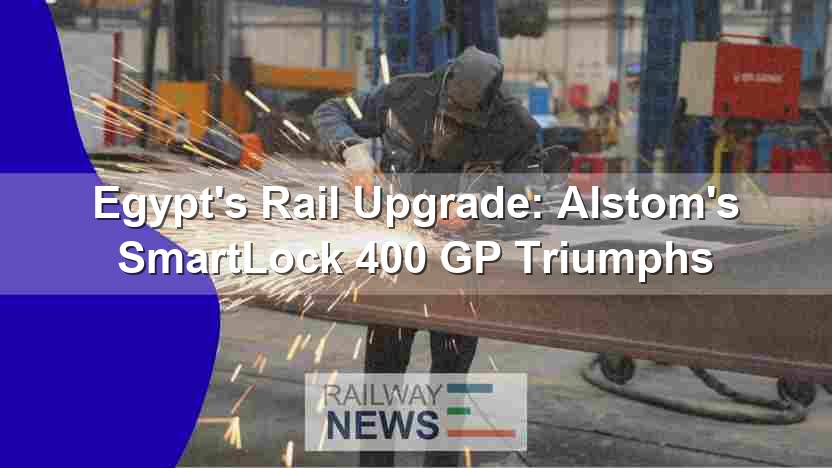
This article examines the significant upgrade to Egypt’s Beni Suef-Asyut railway line, focusing on the implementation of Alstom’s advanced signaling system. The project represents a substantial investment in modernizing Egypt’s rail infrastructure, enhancing safety, increasing capacity, and improving operational efficiency. The deployment of Alstom’s SIL 4 (Safety Integrity Level 4) Electronic Interlocking System (IXL), specifically the SmartLock 400 GP, is a key component of this modernization. This system, along with associated Supervisory Control and Data Acquisition (SCADA) and power supply infrastructure, significantly improves the safety and reliability of train operations on this crucial section of the Egyptian railway network. We will explore the technical details of the implemented system, analyze its impact on operational parameters, discuss the broader context of this project within Egypt’s railway modernization strategy, and assess its long-term implications for the country’s transportation sector. Finally, we’ll consider the role of Alstom and its strategic partnerships in executing this vital project.
Alstom’s SmartLock 400 GP and IXL Implementation
The core of the Beni Suef-Asyut railway line upgrade is the installation of Alstom’s SmartLock 400 GP Electronic Interlocking System (IXL) – a SIL 4 certified system signifying the highest level of safety. This system manages train movements and track access, preventing collisions and other safety-critical incidents. The 100km Deirut section, encompassing seven stations, 160 point machines, and 32 level crossings, received a complete overhaul of its signaling infrastructure. The system’s implementation includes the ability to handle contraflow operations, allowing trains to operate in both directions on the same track under carefully controlled conditions, significantly enhancing operational flexibility. The integration of Alstom’s ICONIS and TLC systems into the SCADA (Supervisory Control and Data Acquisition) framework provides centralized monitoring and control, enabling real-time oversight of the entire signaling network.
Operational Enhancements and Capacity Increase
The upgraded signaling system allows for increased train speeds (up to 160 km/h) and higher train frequency (220 trains per day). This significant increase in capacity directly addresses the growing demand for efficient and reliable rail transportation in Egypt. The enhanced safety features provided by the SIL 4 system minimize the risk of accidents, leading to improved punctuality and overall operational reliability. The implementation of contraflow functionality adds another layer of flexibility to the system, allowing for optimized train scheduling and route management in response to changing demand.
Strategic Importance and Partnerships
The Beni Suef-Asyut railway line upgrade signifies a crucial step in Egypt’s broader strategy to modernize its rail infrastructure. This project demonstrates a commitment to improving safety, efficiency, and capacity within the country’s transportation network. Alstom’s long-standing presence in Egypt, dating back to 1971, underscores the company’s expertise and commitment to supporting the country’s development goals. The successful collaboration between Alstom and the Egyptian National Railways (ENR) showcases the effectiveness of public-private partnerships in delivering large-scale infrastructure projects. This collaborative model is expected to be replicated in future railway modernization initiatives within Egypt.
Future Implications and Conclusion
The successful completion of the Deirut section of the Beni Suef-Asyut railway line upgrade, with its advanced signaling system and operational enhancements, serves as a model for future rail infrastructure projects in Egypt and across the region. The utilization of Alstom’s cutting-edge SmartLock 400 GP IXL system, coupled with a detailed SCADA system, demonstrates a commitment to leveraging technological advancements to improve safety, increase capacity, and enhance operational efficiency. The project’s success highlights the importance of strategic partnerships between international companies with specialized expertise and national railway authorities. The project’s positive impact extends beyond immediate operational improvements; it contributes to sustainable economic development by facilitating the efficient movement of goods and people, supporting regional connectivity, and promoting the overall modernization of Egypt’s transportation sector. The collaborative approach adopted in this project, involving Alstom, ENR, and other stakeholders, provides a valuable blueprint for future rail infrastructure developments, ensuring continued growth and modernization of Egypt’s railway network. The long-term benefits are expected to include increased economic productivity, reduced travel times, improved passenger comfort, and enhanced overall safety across the Egyptian railway system.

Railway infrastructure, rolling stock and transport technologies specialist focused on global rail industry developments, high-speed rail systems, signaling technologies and freight transportation. Covering railway investments, public transport modernization, rail operations and international mobility projects across Europe, Asia and North America.
RELATED POSTS

September 5, 2026 4:19 pm
CPK launched formal tender talks with four consortia to design...

September 6, 2026 4:12 am
Alstom delivered the first of 100 new G Class trams...

September 5, 2026 7:14 pm
HS2 Ltd signed renegotiated civils contracts with EKFB and Align...

September 6, 2026 8:17 am
DB InfraGO reopened the Nuremberg-Regensburg line in Bavaria on 31...
September 6, 2026 12:20 pm
Indian Railways ordered a probe after a fire destroyed 2...
September 5, 2026 6:17 pm
Universal Signalling won a deal to install its U-Cross system...