
German Rail’s Metal Theft Crisis: Mannheim Incident & Solutions
The increasing frequency of metal theft on Deutsche Bahn railway lines near Mannheim has led to substantial disruptions, financial losses, operational challenges, and a decline in passenger and freight services, highlighting the urgent need for comprehensive strategies involving technological advancements, enhanced security measures, and legislative changes to effectively combat this persistent threat to Germany’s critical infrastructure.
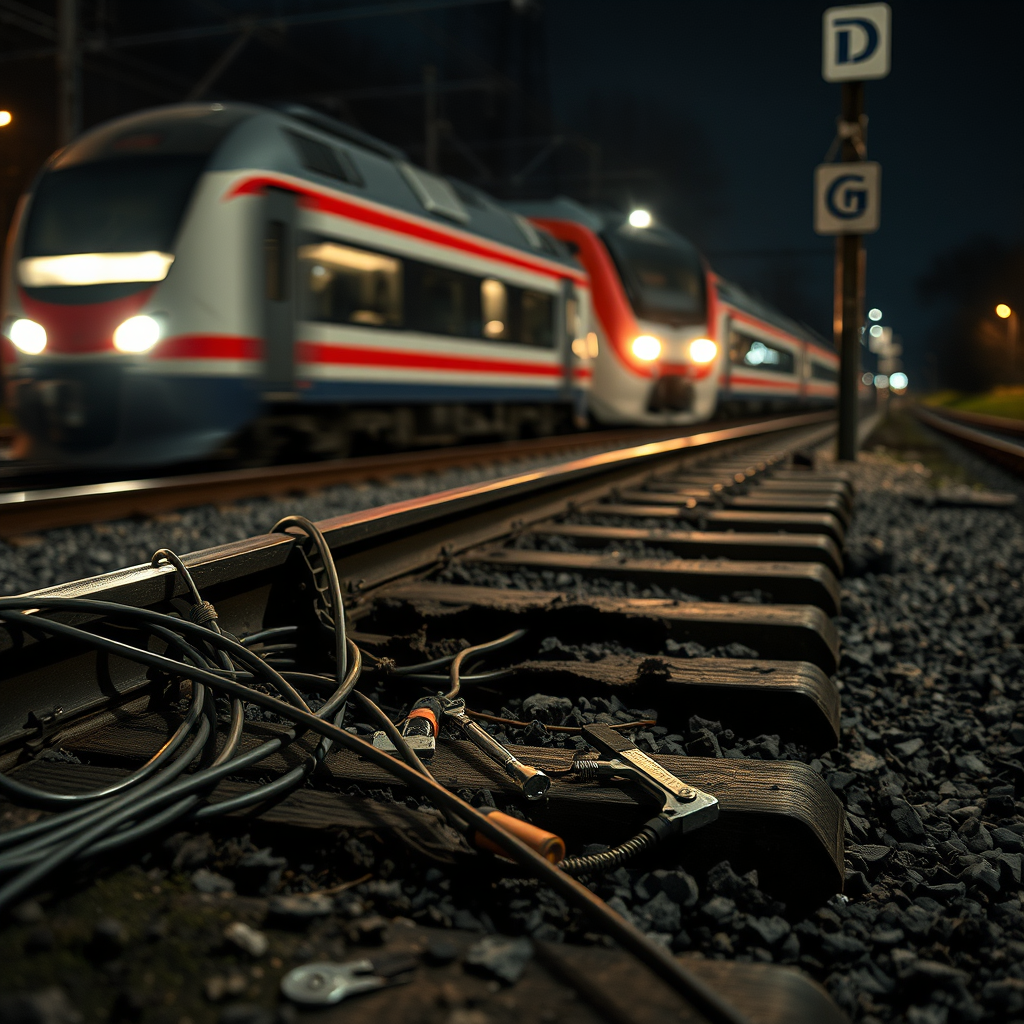
This article examines the recurring problem of metal theft on Deutsche Bahn (DB) railway lines, focusing on a recent incident near Mannheim that caused significant disruptions to train services. We will delve into the consequences of these thefts, exploring their financial impact on DB, the operational challenges they pose, and the broader implications for railway safety and efficiency. The analysis will also consider the potential preventative measures and their effectiveness in mitigating future occurrences. The increasing frequency of these incidents underscores the need for a detailed strategy involving technological advancements, enhanced security measures, and possibly legislative changes to effectively combat this persistent threat to the German railway system. This issue not only affects passenger services and freight transportation, but also raises concerns about the overall security of critical national infrastructure.
The Mannheim Incident and its Ripple Effect
The recent metal theft near Mannheim, discovered on Monday morning, resulted in the cancellation of approximately 20% of long-distance services on the Frankfurt-Mannheim line. This disruption extended to ICE (Intercity-Express) trains traveling between Frankfurt and Stuttgart on the Berlin-Frankfurt-Stuttgart route, and also impacted S-Bahn (commuter rail) services between Biblis and Mannheim-Waldhof. The incident demonstrates the cascading effect of such acts of vandalism, affecting not only the targeted line segment but also impacting broader rail networks and passenger schedules. The estimated repair time, extending into Tuesday evening, further underscores the significant operational challenges presented by these thefts.
Financial Burden and Operational Challenges
Deutsche Welle reports that copper thefts alone cost DB approximately €6.6 million ($7 million) in 2022. This considerable financial burden directly impacts DB’s ability to invest in infrastructure improvements, rolling stock maintenance, and overall operational efficiency. Beyond the direct cost of repairs, the delays and cancellations caused by these thefts translate into lost revenue, increased operational costs (including overtime for repair crews), and significant disruption to passenger and freight transportation. Additionally, the cumulative effect of repeated incidents erodes public trust and confidence in the reliability of the rail network.
Security Measures and Preventative Strategies
The recurring nature of these thefts highlights the need for more robust security measures. Potential solutions include increased surveillance using CCTV cameras and advanced monitoring systems, improved trackside security patrols, and the implementation of deterrent technologies such as GPS tracking of valuable materials. Collaboration with law enforcement agencies is crucial in identifying and prosecuting those responsible. Additionally, exploring the use of alternative, less easily stolen materials in railway infrastructure could reduce the attractiveness of such targets. The effectiveness of these measures depends on strategic deployment and consistent enforcement.
Broader Implications and Future Outlook
The repeated incidents of metal theft on DB lines are not merely isolated acts of vandalism; they pose a significant threat to the integrity and security of Germany’s crucial railway infrastructure. The vulnerability of the system to such crimes raises concerns about broader security risks and the potential for more severe disruptions in the future. The financial strain, operational challenges, and reputational damage caused by these thefts necessitates a multi-pronged approach involving preventative measures, enhanced security technologies, and strengthened collaborations between DB, law enforcement, and potentially even legislative changes to deter such activities. A detailed strategy is essential to ensure the long-term reliability, safety, and efficiency of the German railway network and to safeguard it from these persistent threats. This includes not only focusing on immediate repairs but also on addressing the root causes of these crimes and implementing lasting solutions that will prevent future occurrences.

Railway infrastructure, rolling stock and transport technologies specialist focused on global rail industry developments, high-speed rail systems, signaling technologies and freight transportation. Covering railway investments, public transport modernization, rail operations and international mobility projects across Europe, Asia and North America.
RELATED POSTS

October 8, 2026 1:15 pm
Alstom secured a €1bn contract to build 13 automated trains,...

October 1, 2026 7:09 am
United States regulators confirmed a September 30 deadline for the...

October 8, 2026 12:18 pm
Siemens Mobility signed an agreement with VinSpeed to supply 350...

October 4, 2026 5:14 pm
Alstom secured a CA$4.7 billion order from VIA Rail Canada...

October 5, 2026 6:12 pm
AECOM and Jacobs secured a contract in September 2026 to...

October 4, 2026 11:08 pm
Sound Transit confirmed the September 30 opening of Seattle Pinehurst...