
Scotland Train RoÖBBery Highlights Signal Failures, Security Gaps
The recent train robbery in Scotland involving signal tampering highlights critical vulnerabilities in railway signaling systems, underscoring the need for enhanced security measures to protect against opportunistic crime targeting freight trains.
This article examines a recent attempted train robbery in Scotland, highlighting the swift response of the British Transport Police (BTP) and the subsequent investigation. The incident underscores several critical aspects of railway security, including the vulnerability of signaling systems, the challenges posed by opportunistic crime targeting freight trains, and the importance of rapid police response in minimizing losses and apprehending suspects. We will analyze the specifics of the incident, discuss potential security vulnerabilities revealed, and explore implications for railway security protocols and future preventative measures. The case also serves as a valuable case study for understanding the operational effectiveness of the BTP and the collaborative efforts required to maintain the security and integrity of the national rail network. The analysis will delve into the legal aspects of the charges brought against the suspects and consider the broader context of rail crime prevention strategies in the UK.
Signal Tampering and its Ramifications
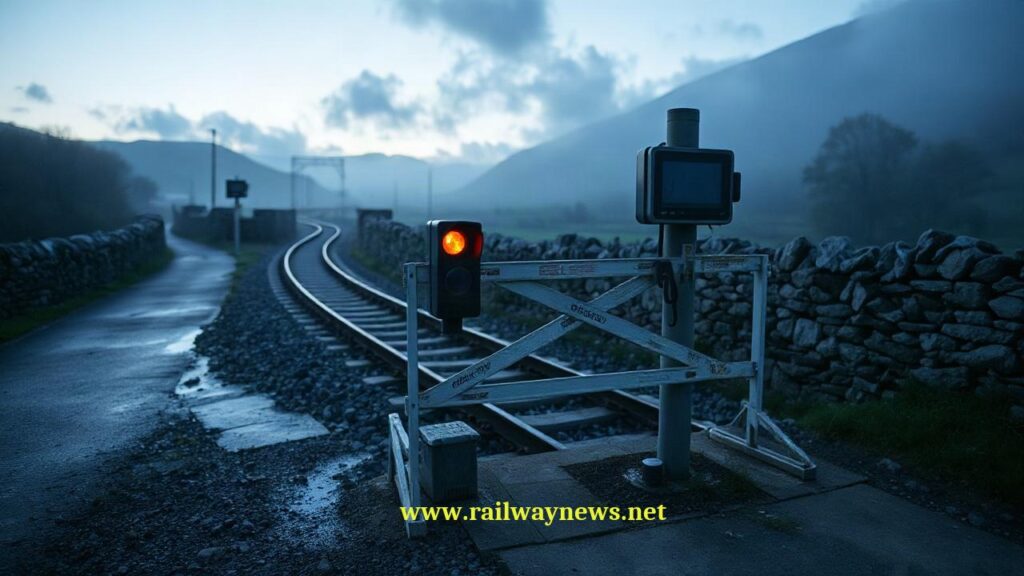
The incident began with the tampering of a railway signal at Kirtlebridge near Lockerbie. The suspects removed the aspect bulb (the light indicating the signal’s status) from the signal, causing a blank signal. This act of malicious mischief is a serious offense with far-reaching consequences. A false signal can lead to serious derailments, collisions, and significant property damage, endangering both railway personnel and the public. The intentional manipulation of signaling equipment demonstrates a blatant disregard for railway safety regulations and highlights the need for enhanced security measures to protect critical infrastructure elements from vandalism and sabotage. The vulnerability of signaling systems to physical tampering is a significant concern that necessitates ongoing review and reinforcement of protective measures.
Targeting Freight Trains: A Growing Concern
The choice of target – a Royal Mail freight train – is noteworthy. Freight trains, often carrying valuable goods, are increasingly becoming targets for opportunistic criminals. Unlike passenger trains, freight trains often operate with fewer security personnel and may present more readily exploitable vulnerabilities. This incident underscores the importance of implementing robust security protocols specifically tailored to freight operations, including enhanced surveillance systems, improved cargo tracking mechanisms, and potentially increased security patrols along vulnerable sections of the rail network. The relative ease with which the suspects initially accessed the train highlights potential weaknesses in security measures surrounding freight operations.
Swift Police Response and Investigation
The rapid response of the BTP was crucial in preventing a successful robbery and apprehending the suspects. The immediate investigation resulted in the arrest of two teenagers, charged with malicious mischief, theft, and threatening and abusive behavior. The swiftness of the police action underscores the importance of effective communication between railway staff and law enforcement, as well as the BTP’s readiness to respond to incidents affecting railway security. The efficiency demonstrated highlights the effectiveness of inter-agency collaboration and proactive policing strategies.
Legal and Security Implications
The charges filed against the suspects – malicious mischief, theft, and threatening and abusive behavior – reflect the seriousness of their actions. Malicious mischief relates to the damage to the signaling equipment; theft pertains to the attempted robbery; and threatening and abusive behavior encompasses any intimidation or harassment directed at the train driver or other potential witnesses. The legal ramifications of these charges serve as a deterrent to future criminal activity, and the ongoing investigation seeks to uncover all aspects of the plot, including the extent of planning and any possible accomplices.
Conclusion
The attempted train robbery near Lockerbie highlights significant vulnerabilities within the railway system’s security infrastructure and serves as a critical reminder of the constant need for vigilance and proactive security measures. The incident, while ultimately unsuccessful due to the rapid response of the British Transport Police, underscores several crucial areas needing attention. Firstly, the vulnerability of railway signaling systems to physical tampering necessitates a review and potential upgrade of security protocols, including improved physical protection and possibly the implementation of enhanced monitoring and alarm systems. Secondly, the targeting of freight trains emphasizes the need for dedicated security measures tailored to the unique challenges presented by freight operations, including better surveillance technologies, improved cargo tracking, and increased security personnel. Thirdly, the success of the BTP’s rapid response underscores the vital importance of effective communication between railway staff and law enforcement, facilitating immediate and coordinated action to minimize losses and quickly apprehend perpetrators. The swift apprehension and subsequent charges against the suspects demonstrate the effectiveness of current BTP procedures, yet also reveal areas where improved security measures could prevent similar incidents in the future. This case study, therefore, offers valuable insights into enhancing the overall security and safety of the UK’s rail network, demanding a multi-pronged approach that addresses both technological upgrades and improved collaborative strategies between various stakeholders.

Railway infrastructure, rolling stock and transport technologies specialist focused on global rail industry developments, high-speed rail systems, signaling technologies and freight transportation. Covering railway investments, public transport modernization, rail operations and international mobility projects across Europe, Asia and North America.
RELATED POSTS

September 5, 2026 4:19 pm
CPK launched formal tender talks with four consortia to design...

September 5, 2026 7:14 pm
HS2 Ltd signed renegotiated civils contracts with EKFB and Align...

September 6, 2026 4:12 am
Alstom delivered the first of 100 new G Class trams...
September 6, 2026 8:17 am
DB InfraGO reopened the Nuremberg-Regensburg line in Bavaria on 31...
September 5, 2026 6:17 pm
Universal Signalling won a deal to install its U-Cross system...
September 6, 2026 12:20 pm
Indian Railways ordered a probe after a fire destroyed 2...