
Iraq’s Rail Revolution: Karbala, Najaf, Baghdad
The Karbala-Najaf Light Rail Project addresses critical transportation needs for Shia Muslim pilgrims in Iraq’s holy sites, while the Baghdad metro system represents a massive infrastructure initiative with significant economic and social implications, showcasing modern technological solutions and sustainable transport practices.
Introduction
The Iraqi government’s recent announcement of two significant rail projects marks a pivotal moment in the nation’s infrastructure development. These projects, tendered under a Design, Build, Operate, Maintain, Finance, and Transfer Ownership (DBOMFT) model, represent a substantial investment in modernizing Iraq’s transportation network and catering to the burgeoning needs of its population, particularly the millions of pilgrims visiting holy sites annually. This article explores the specifics of these projects – a four-station Karbala-Najaf line and a much larger seven-line Baghdad metro system – analyzing their scope, technological implications, and potential impact on Iraq’s economic and social landscape. The DBOMFT model itself will be examined, highlighting the advantages and challenges it presents in a context rife with unique political and logistical considerations. Further examination will explore the technological choices behind the projects, including the commitment to accessibility and sustainability. Finally, the article will assess the wider implications of these ventures for Iraq’s future infrastructure development and economic growth.
The Karbala-Najaf Light Rail Project
This project, while smaller in scale than the Baghdad metro, is vital for managing the immense annual influx of Shia Muslim pilgrims traveling between Karbala and Najaf. The planned four-station line, connecting Karbala city, Karbala Airport, Al-Najaf, and Najaf Airport, addresses a critical transportation bottleneck. The choice of electrification or battery power demonstrates a commitment to sustainable transport solutions. The project’s success hinges on effectively managing the peak pilgrim seasons, requiring robust operational planning and potentially the implementation of sophisticated Intelligent Transportation Systems (ITS) to optimize passenger flow and minimize disruptions. The relatively straightforward nature of this project could serve as a crucial pilot program, demonstrating the feasibility and efficiency of large-scale rail projects in Iraq before moving on to the much more ambitious Baghdad metro.
The Baghdad Metro System: A Megaproject
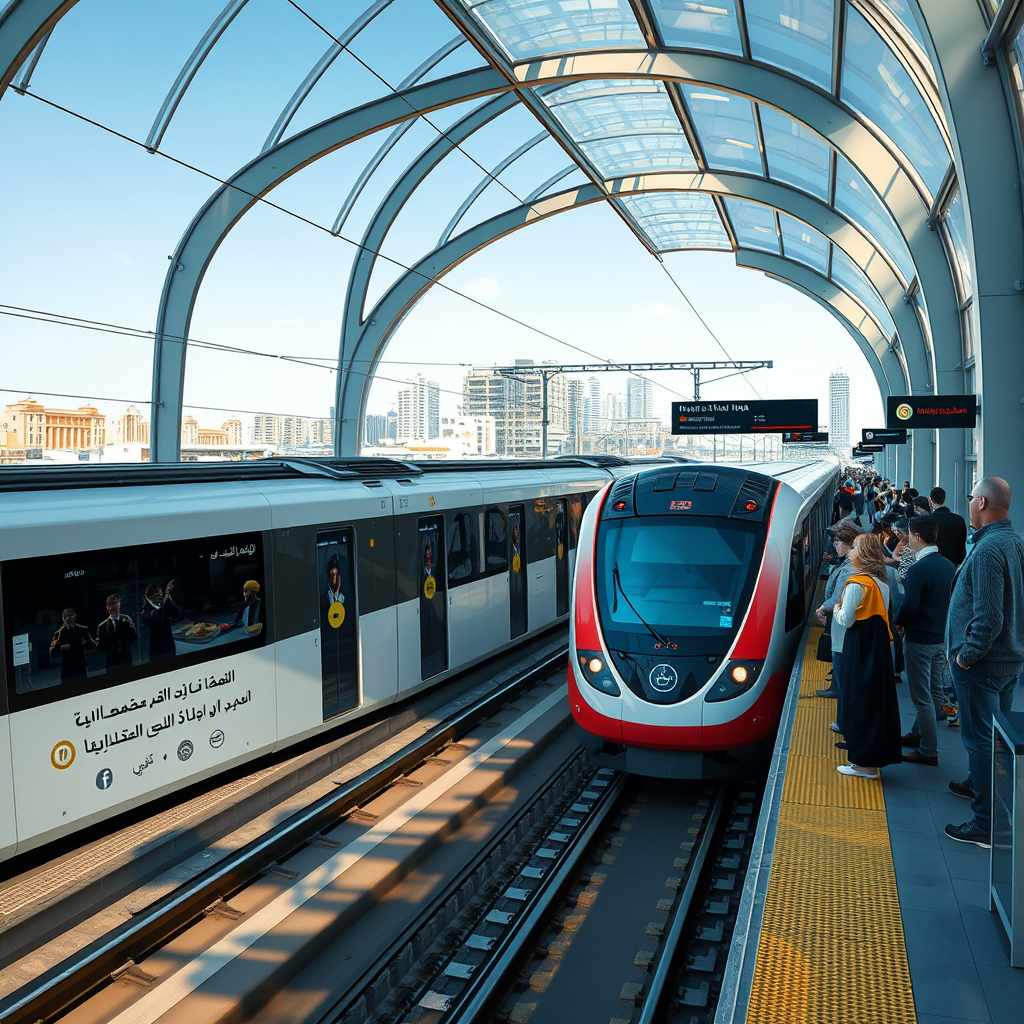
The proposed Baghdad metro represents a far more ambitious undertaking: a 150km network with seven lines, 64 stations, four workshops/depots, and two control centers. The commitment to driverless electric trains underscores a focus on modern, efficient, and technologically advanced public transportation. The inclusion of dedicated cabins for women and children, along with accessibility features for the elderly and disabled, points towards a socially inclusive design. The specified route incorporates a mix of underground, overground, and elevated sections, presenting significant engineering challenges, especially given the complexities of navigating a densely populated urban environment. The project’s success necessitates meticulous planning and execution, requiring international collaboration and robust project management expertise. The scale of the project calls for significant capital investment and sophisticated technological integration, potentially demanding the involvement of multiple international consortia.
The DBOMFT Model and its Implications
Both projects operate under the DBOMFT (Design, Build, Operate, Maintain, Finance, and Transfer Ownership) model. This approach transfers a significant amount of risk and responsibility to the private sector. While this can attract substantial foreign investment and expertise, it also introduces complexities. The Iraqi government must carefully manage contractual agreements to ensure transparency, accountability, and compliance with international best practices. Effective regulatory frameworks are paramount to prevent potential conflicts of interest and to ensure the long-term sustainability of the projects. Successful implementation of the DBOMFT model in this politically and economically complex environment depends on transparency and robust legal frameworks to safeguard against corruption.
Conclusions
The Iraqi government’s ambitious rail investment program signifies a crucial step towards modernizing its infrastructure and bolstering its economy. The DBOMFT model, while presenting challenges, offers a pathway for attracting the necessary foreign investment and expertise. The Karbala-Najaf line project, with its more manageable scope, serves as a vital precursor to the larger, more complex Baghdad metro. The success of these projects hinges on several critical factors: effective project management, transparent and robust contractual agreements, a strong regulatory framework, and proactive risk mitigation. The technological choices, including driverless electric trains and provisions for accessibility and sustainability, position Iraq as a leader in regional infrastructure development. However, the successful implementation also relies heavily on the political stability and economic development within Iraq, and addressing potential corruption is of paramount importance. Additionally, the effective integration of these new systems into existing transportation networks requires careful planning and coordination to avoid disruptions and maximize efficiency. The long-term success of these ambitious projects will not only impact Iraq’s transportation sector but will also have broader implications for its economic growth and social development, shaping the country’s urban landscape and improving the lives of its citizens.

Railway infrastructure, rolling stock and transport technologies specialist focused on global rail industry developments, high-speed rail systems, signaling technologies and freight transportation. Covering railway investments, public transport modernization, rail operations and international mobility projects across Europe, Asia and North America.
RELATED POSTS

October 8, 2026 1:15 pm
Alstom secured a €1bn contract to build 13 automated trains,...

October 1, 2026 7:09 am
United States regulators confirmed a September 30 deadline for the...

October 4, 2026 5:14 pm
Alstom secured a CA$4.7 billion order from VIA Rail Canada...

October 8, 2026 12:18 pm
Siemens Mobility signed an agreement with VinSpeed to supply 350...

October 5, 2026 6:12 pm
AECOM and Jacobs secured a contract in September 2026 to...

October 4, 2026 11:08 pm
Sound Transit confirmed the September 30 opening of Seattle Pinehurst...