
European Rail Accessibility: A Stark Divide
The recent Omio report ranks European countries based on key indicators of rail system inclusivity, revealing significant disparities in accessibility for passengers with disabilities, including barriers-free access, tactile paving availability, and digital information displays. This highlights the need for improved infrastructure and policy to ensure equitable access across all nations.
Introduction
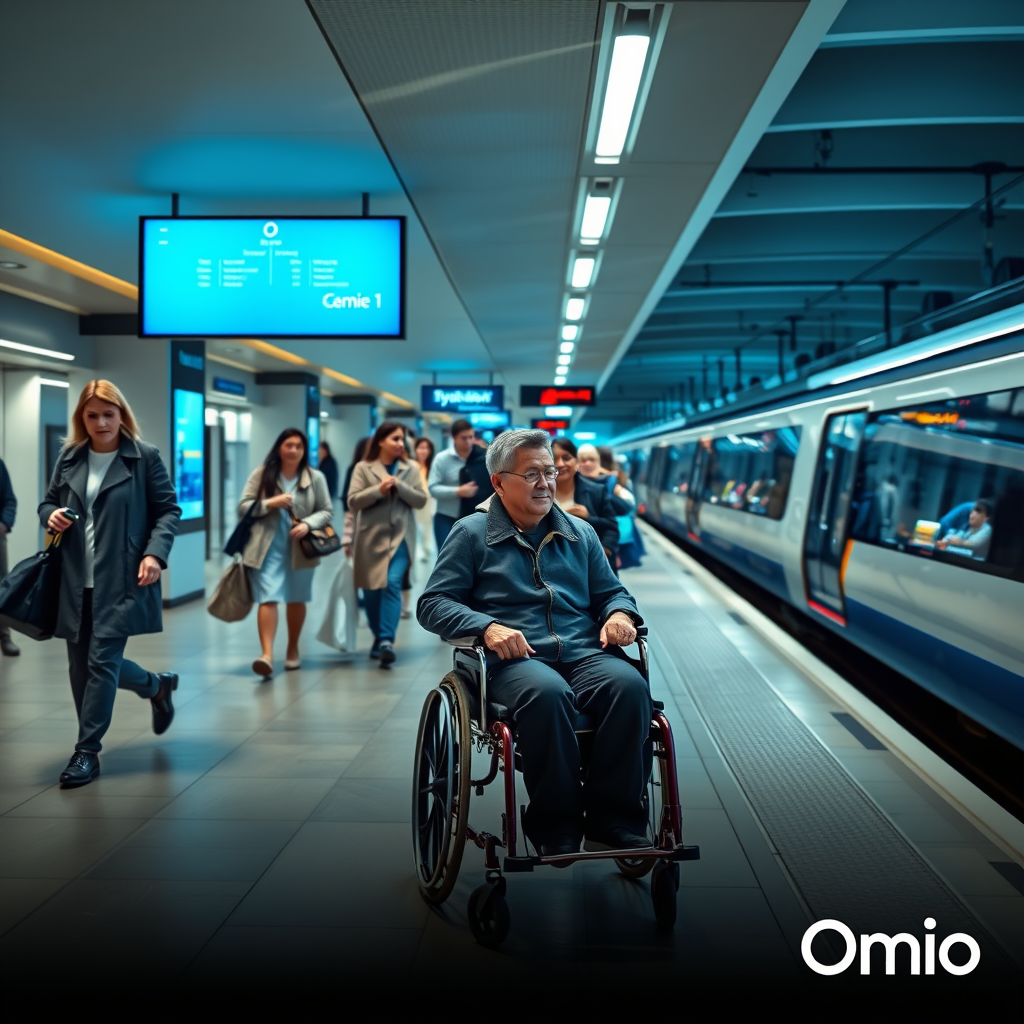
This article explores the crucial issue of accessibility within European railway networks. A recent report by Omio, an online train ticket comparison website, assessed the accessibility of European rail systems, ranking nations based on key indicators of inclusivity for passengers with disabilities. These indicators include the percentage of stations providing barrier-free access to platforms, the presence of tactile paving (textured paving designed to guide visually impaired individuals) on platforms, and the availability of digital information displays. The report reveals a significant disparity in accessibility levels across Europe, highlighting the need for improved infrastructure and policy to ensure equitable access for all passengers. The analysis presented will not only discuss the findings of the Omio report but also explore the underlying reasons for the variations in accessibility across different countries and the implications of these disparities for passengers and railway operators. The paper aims to provide a detailed overview of the current state of railway accessibility in Europe and suggest potential solutions to address the identified shortcomings.
Accessibility Indicators and Ranking
Omio’s report employed three primary metrics to gauge railway accessibility: barrier-free access to platforms, the presence of tactile paving, and the availability of digital information displays. The Netherlands emerged as the top-performing nation, boasting impressive figures: 97% barrier-free access, and 99% for both tactile paving and digital displays. This high level of accessibility underscores the Netherlands’ commitment to inclusive transportation. Conversely, the Czech Republic ranked lowest overall. Significant disparities also exist within other countries. The UK, for instance, despite improvements in digital information provision, still lags behind with only 61% of platforms deemed accessible, highlighting a persistent need for infrastructure upgrades. Italy registered the lowest percentage of barrier-free platform access (15%), Poland exhibited the lowest percentage of tactile paving (17%), and Spain, along with the Czech Republic and Poland, showed the lowest percentage of digital information displays. These findings emphasize the uneven distribution of accessibility features across European railway systems.
Factors Contributing to Accessibility Disparities
The variations in accessibility across European nations are multifaceted. Historical infrastructure development, national budgetary priorities, and the level of regulatory enforcement all play significant roles. Older railway networks often lack the design features needed for modern accessibility standards. Additionally, the lack of sufficient funding for infrastructure upgrades in certain countries can hinder progress. Variations in national regulations and enforcement mechanisms may also explain the discrepancies. A robust regulatory framework with stringent enforcement is essential to mandate and ensure compliance with accessibility standards.
The Importance of Accessible Rail Transportation
Accessible railway systems are not merely a matter of social responsibility; they are economically and socially beneficial. Improved accessibility expands travel opportunities for individuals with disabilities, enhancing social inclusion and participation. It also contributes to a more vibrant and connected society. For railway operators, prioritizing accessibility can improve their public image, attract a broader customer base, and comply with legal and ethical obligations. Ignoring accessibility leads to the exclusion of a significant portion of the population and could result in legal challenges and reputational damage.
Conclusions
Omio’s report paints a complex picture of railway accessibility in Europe. While countries like the Netherlands demonstrate a high level of commitment to inclusivity, significant disparities persist across the continent. The Czech Republic’s low ranking highlights the challenges some nations face in providing accessible rail services. The report’s findings underscore the urgent need for substantial investment in infrastructure upgrades, particularly in countries with lower accessibility scores. This investment should focus on providing barrier-free access to platforms, installing tactile paving and ensuring the availability of digital information displays. Additionally, stronger regulatory frameworks with robust enforcement are crucial to drive improvements. National governments and railway operators must prioritize accessibility not only as a matter of social responsibility but also as a means to foster economic growth and enhance social inclusion. Ignoring accessibility issues not only marginalizes individuals with disabilities but also limits the potential benefits of efficient and inclusive rail networks. Moving forward, a collaborative effort involving government agencies, railway operators, and disability advocacy groups is essential to promote best practices and ensure that all European railway systems meet the highest standards of accessibility, thereby creating a truly inclusive transportation network for everyone. This will necessitate a long-term commitment to infrastructure development and the implementation of robust monitoring and enforcement mechanisms to ensure that the improvements made are sustainable and continue to meet evolving needs. The ultimate goal is to build a rail system where accessibility is not an exception but the standard, allowing all individuals to experience the convenience and benefits of rail travel.

Railway infrastructure, rolling stock and transport technologies specialist focused on global rail industry developments, high-speed rail systems, signaling technologies and freight transportation. Covering railway investments, public transport modernization, rail operations and international mobility projects across Europe, Asia and North America.
RELATED POSTS

October 8, 2026 1:15 pm
Alstom secured a €1bn contract to build 13 automated trains,...

October 1, 2026 7:09 am
United States regulators confirmed a September 30 deadline for the...

October 4, 2026 5:14 pm
Alstom secured a CA$4.7 billion order from VIA Rail Canada...

October 8, 2026 12:18 pm
Siemens Mobility signed an agreement with VinSpeed to supply 350...

October 5, 2026 6:12 pm
AECOM and Jacobs secured a contract in September 2026 to...

October 4, 2026 11:08 pm
Sound Transit confirmed the September 30 opening of Seattle Pinehurst...