
Northern Trains Upgrades: Class 333 Modernization
Northern Trains’ partnership with DB ESG involves modernizing its Class 333 electric multiple unit fleet through a comprehensive upgrade project centered on enhancing passenger experience and operational efficiency by implementing advanced passenger information systems and improved energy metering. This collaboration underscores the railway industry’s growing emphasis on technological advancements and sustainability, aiming to improve both service quality and environmental performance.
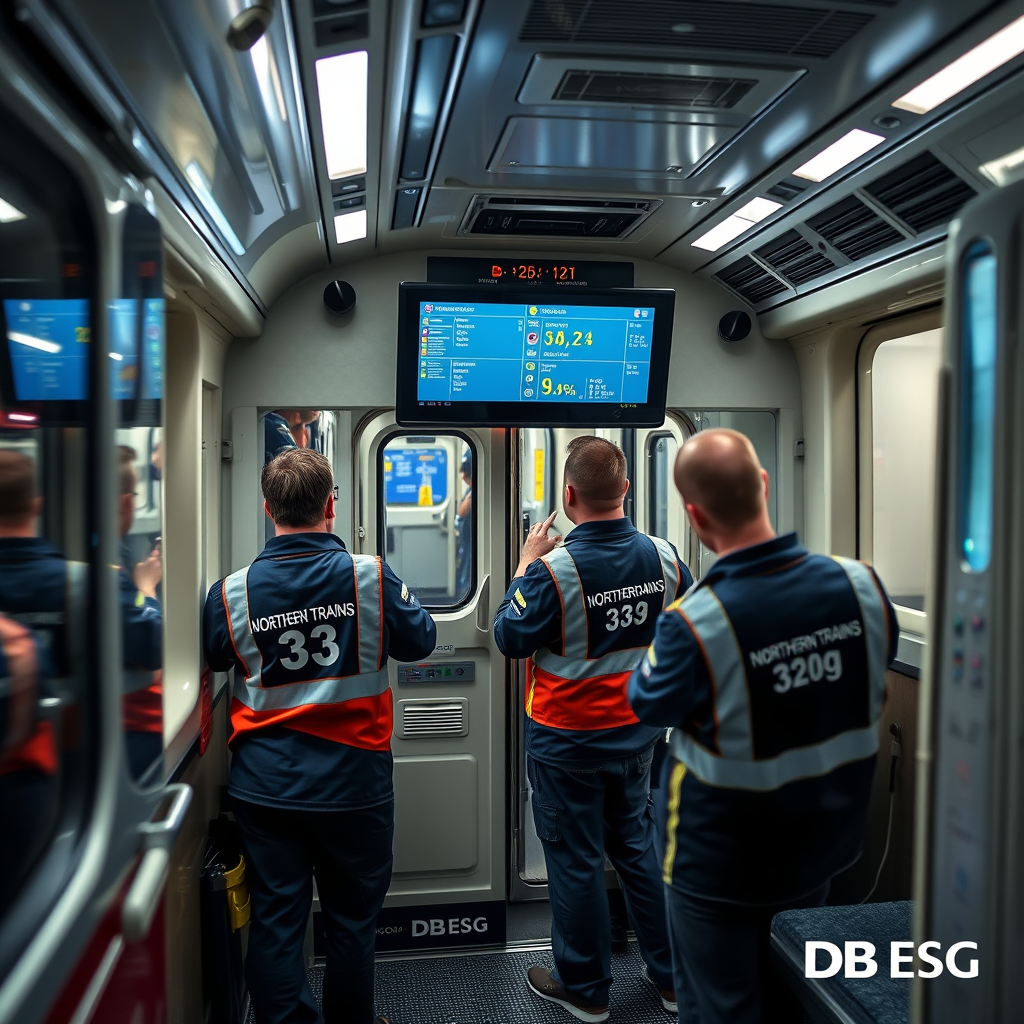
This article explores a significant upgrade project undertaken by Northern Trains, a major UK railway operator, focusing on the modernization of its Class 333 electric multiple unit (EMU) fleet. The project, a partnership with DB ESG (Deutsche Bahn Engineering and Services Group), centers on enhancing passenger experience and operational efficiency through the implementation of a new passenger information system and improved energy metering. This collaboration highlights the growing importance of technological advancements and sustainable practices within the railway industry, aiming to improve both the passenger journey and the overall environmental impact of rail operations. The timeline, project scope, and the strategic implications of this modernization effort will be analyzed in detail, providing insight into the challenges and opportunities faced by railway companies in today’s evolving landscape. The article will further examine the broader context of this upgrade within Northern Trains’ wider modernization strategy, including planned fleet expansions, and the role of innovation and sustainability in shaping the future of rail transportation.
Modernizing Passenger Information Systems
The core of this project involves the complete overhaul of the passenger information system (PIS) across Northern Trains’ 16 Class 333 EMUs. Outdated or malfunctioning PIS can lead to passenger confusion and dissatisfaction, impacting overall journey experience. A modern, reliable PIS provides real-time updates on train schedules, platform changes, delays, and connecting services, significantly enhancing passenger comfort and reducing anxieties related to travel disruptions. The new system promises improved clarity, accessibility (for passengers with disabilities), and potentially integration with other information channels (e.g., mobile applications). This upgrade directly addresses Northern Trains’ commitment to passenger satisfaction and reflects a strategic move towards improved customer service.
Energy Efficiency Enhancements Through Advanced Metering
Simultaneously, the project focuses on upgrading the energy metering systems on the Class 333 fleet. Precise and up-to-date energy consumption data is critical for optimizing train operations and reducing overall energy expenditure. Improved metering allows for more accurate tracking of energy usage, identifying areas for efficiency improvements, and ultimately reducing the environmental impact of the railway operation. This is aligned with the growing emphasis on sustainability within the rail industry, demonstrating Northern Trains’ proactive approach to reducing its carbon footprint and operational costs.
Project Implementation and Partnership
The project’s implementation showcases a successful collaborative effort between Northern Trains and DB ESG. DB ESG, a reputable rolling stock engineering solutions provider, is responsible for supplying and installing the new equipment, leveraging their expertise in railway technology and project management. The three-day timeframe for upgrading each unit demonstrates efficient project planning and execution. The selection of Skipton Sidings Facility as the installation site highlights Northern Trains’ commitment to ensuring a controlled and efficient upgrade process. This partnership model underscores the growing trend towards outsourcing specialized tasks to expert firms, allowing railway operators to focus on core business functions while benefiting from specialized knowledge and experience.
Broader Context: Fleet Modernization and Sustainability
This Class 333 upgrade forms part of a broader modernization strategy for Northern Trains. The company’s plans to introduce up to 450 new trains signify a long-term commitment to improving its fleet and service quality. This upgrade project, therefore, serves as a precursor to larger-scale fleet modernization initiatives, establishing a foundation for improved technology and operational standards. Additionally, DB ESG’s ongoing research into hydrogen and carbon capture technologies, supported by Innovate UK funding, highlights the industry’s commitment to incorporating sustainable solutions and reducing its environmental impact. This research directly aligns with the objectives of the Class 333 upgrade, emphasizing the growing importance of environmental sustainability in railway operations.
Conclusions
The upgrade project undertaken by Northern Trains on its Class 333 EMU fleet, in collaboration with DB ESG, represents a significant step towards enhancing both passenger experience and operational efficiency. The modernization of the passenger information system (PIS) directly addresses customer satisfaction by providing real-time information and improving accessibility. Simultaneously, the upgrade of energy metering systems contributes to operational cost reduction and environmental sustainability through better energy management. The project’s efficient implementation, achieved through a strategic partnership with DB ESG, highlights the advantages of collaborative approaches to railway modernization. This initiative is not isolated; it forms a crucial part of Northern Trains’ wider strategy, including the planned introduction of up to 450 new trains, demonstrating a long-term commitment to improving its services and minimizing its environmental footprint. The successful completion of this project will serve as a model for future upgrades, contributing significantly to the long-term sustainability and improved passenger experience within the Northern Trains network and the wider railway industry. The focus on both passenger satisfaction and environmental responsibility is exemplary of the progressive approach required to ensure the continued success and relevance of railway systems in the 21st century. Finally, the collaboration with DB ESG underscores the increasing importance of strategic partnerships in addressing the complex challenges and opportunities within the railway sector.

Railway infrastructure, rolling stock and transport technologies specialist focused on global rail industry developments, high-speed rail systems, signaling technologies and freight transportation. Covering railway investments, public transport modernization, rail operations and international mobility projects across Europe, Asia and North America.
RELATED POSTS

October 8, 2026 1:15 pm
Alstom secured a €1bn contract to build 13 automated trains,...

October 1, 2026 7:09 am
United States regulators confirmed a September 30 deadline for the...

October 8, 2026 12:18 pm
Siemens Mobility signed an agreement with VinSpeed to supply 350...

October 4, 2026 5:14 pm
Alstom secured a CA$4.7 billion order from VIA Rail Canada...

October 5, 2026 6:12 pm
AECOM and Jacobs secured a contract in September 2026 to...

October 4, 2026 11:08 pm
Sound Transit confirmed the September 30 opening of Seattle Pinehurst...