
Manila Subway: Engineering a Megacity’s Future
The Manila Subway project showcases robust infrastructure development amidst significant financial investment from JICA, engineering challenges with advanced TBMs, and complex logistical considerations, highlighting the multifaceted nature of large-scale urban transit projects.
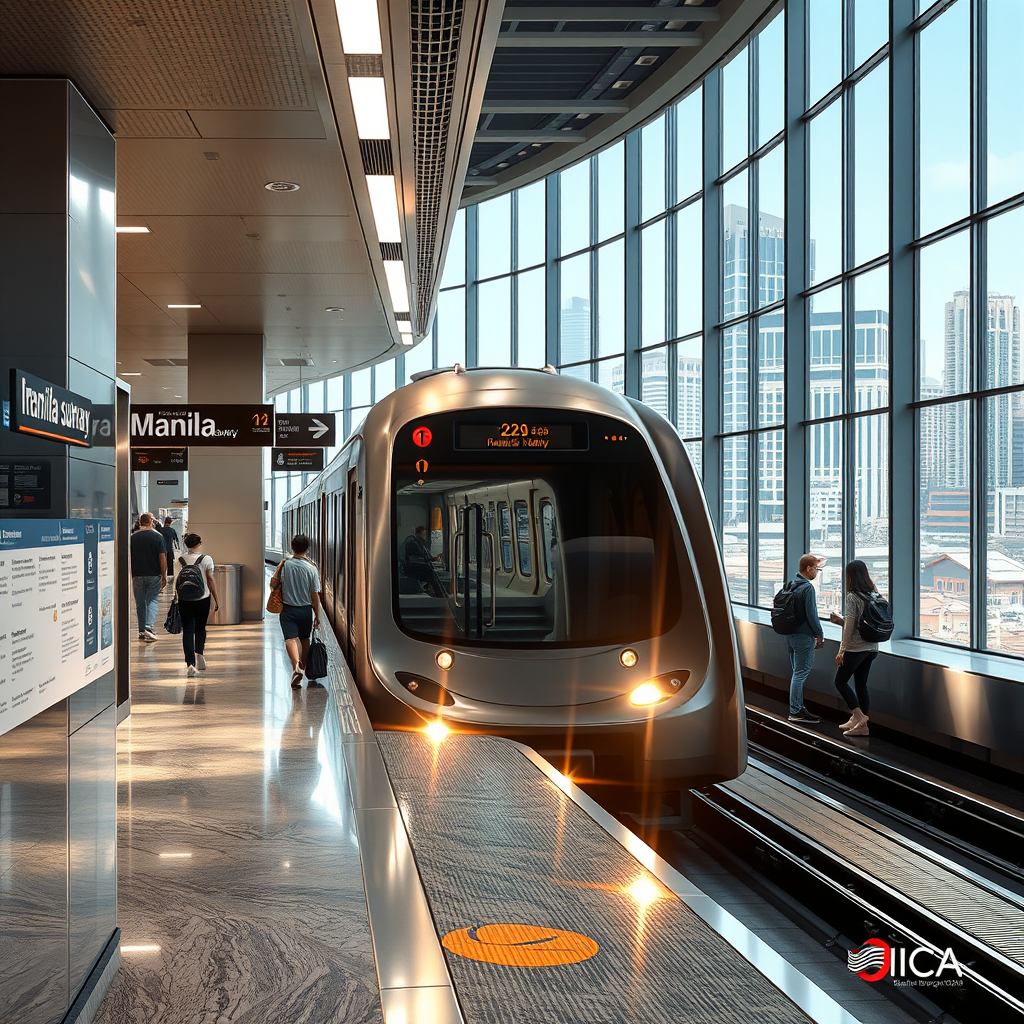
The Manila Subway: A Case Study in Large-Scale Transit Infrastructure Development
The development of robust and efficient mass transit systems is crucial for rapidly growing urban centers. This article examines the Manila Subway project in the Philippines, a significant undertaking receiving substantial financial backing from the Japan International Cooperation Agency (JICA). This project represents not only a substantial investment in Philippine infrastructure but also a complex logistical and engineering challenge, highlighting the multifaceted considerations inherent in constructing a large-scale underground rail network. We will explore the financing, engineering, and logistical aspects of the project, examining the challenges and the potential benefits it promises to bring to the burgeoning metropolis of Manila. The analysis will also consider the project’s impact on urban planning, economic development, and the broader context of international development cooperation.
Financing the Manila Subway
The Manila Subway project’s financial structure is a cornerstone of its success. The substantial commitment of JICA (Japan International Cooperation Agency), totaling over $3.3 billion in loans, underscores the importance of international collaboration in funding major infrastructure projects. The loan terms, featuring a 40-year maturity period with a 10+ year grace period, provide the Philippines with manageable repayment schedules. This demonstrates a commitment to long-term development goals, mitigating the immediate financial burden and allowing for sustainable implementation. The involvement of JICA also suggests a transfer of expertise and technology, beyond mere financial assistance. Further, the ongoing discussions for additional loans indicate a continued confidence in the project’s viability and potential impact.
Engineering and Construction Challenges
Constructing a 33km underground rail network presents substantial engineering challenges. The project involves the excavation of six tunnels with a total length of 9.5km and an inner diameter of 6.1m, necessitating the deployment of advanced Tunnel Boring Machines (TBMs). The use of up to six Earth Pressure Balance TBMs (EPB TBMs) highlights the scale of the excavation work and the sophisticated technology required. The involvement of experienced Japanese firms, such as Shimizu, Fujita, Takenaka Civil Engineering, and EEI, in a joint venture for design and construction of tunnels and stations underscores the need for specialized expertise. This international collaboration brings a wealth of knowledge and proven methodologies to overcome the technical challenges related to urban tunneling.
Project Scope and Operational Capacity
The Manila Subway, spanning from Valenzuela to Ninoy Aquino International Airport (NAIA), will serve as the first mass rapid transit (MRT) underground system in the Philippines, connecting 17 stations and a depot. Its planned capacity of 800,000 passengers per day speaks to the urgent need for enhanced public transportation in Manila. The project’s anticipated completion in 2029, albeit a two-year delay from the original timeline, still represents a significant step towards addressing the city’s transportation congestion. The operational efficiency of the system is crucial, requiring robust maintenance plans and efficient passenger management strategies to meet its projected ridership.
Broader Implications and Conclusions
The Manila Subway project is more than just a transportation initiative; it’s a transformative undertaking with far-reaching implications for the Philippines. The project’s success hinges on several critical factors: effective financial management of the substantial JICA loans, seamless execution of the complex engineering and construction phases, and the subsequent efficient operation of the system. The project’s completion will significantly impact Manila’s urban landscape, easing traffic congestion, reducing commute times, and improving the overall quality of life for its residents. Moreover, the project serves as a model for future infrastructure development in the region, demonstrating the potential of international collaboration in tackling significant urban challenges. The delays experienced highlight the inherent complexity of mega-projects and underscore the importance of robust project management and risk mitigation strategies. The ultimate success will depend on the sustained commitment of all stakeholders, ensuring the long-term viability and positive societal impact of this crucial infrastructure investment. The project’s implications extend beyond mere transportation, promising economic growth through increased mobility and accessibility, contributing to a more sustainable and interconnected urban environment for Manila and setting a precedent for similar initiatives in the Asia-Pacific region.

Railway infrastructure, rolling stock and transport technologies specialist focused on global rail industry developments, high-speed rail systems, signaling technologies and freight transportation. Covering railway investments, public transport modernization, rail operations and international mobility projects across Europe, Asia and North America.
RELATED POSTS

October 1, 2026 7:09 am
United States regulators confirmed a September 30 deadline for the...

October 8, 2026 1:15 pm
Alstom secured a €1bn contract to build 13 automated trains,...

October 4, 2026 5:14 pm
Alstom secured a CA$4.7 billion order from VIA Rail Canada...

October 4, 2026 11:08 pm
Sound Transit confirmed the September 30 opening of Seattle Pinehurst...
October 1, 2026 10:14 am
HS2 installed a 55-metre steel span in Birmingham, completing phase...

October 5, 2026 6:12 pm
AECOM and Jacobs secured a contract in September 2026 to...