
Madrid Citadis Tram Overhaul: A Case Study
The Madrid Citadis Tram Overhaul contract between Alstom and Metro Ligero Oeste highlights a significant mid-life maintenance project for 27 trams, emphasizing ongoing operational efficiency and safety through comprehensive refurbishment of critical components like the braking system and bogies. This partnership underscores the importance of collaboration in modern tram overhauls, contributing to enhanced passenger experience and overall system reliability.
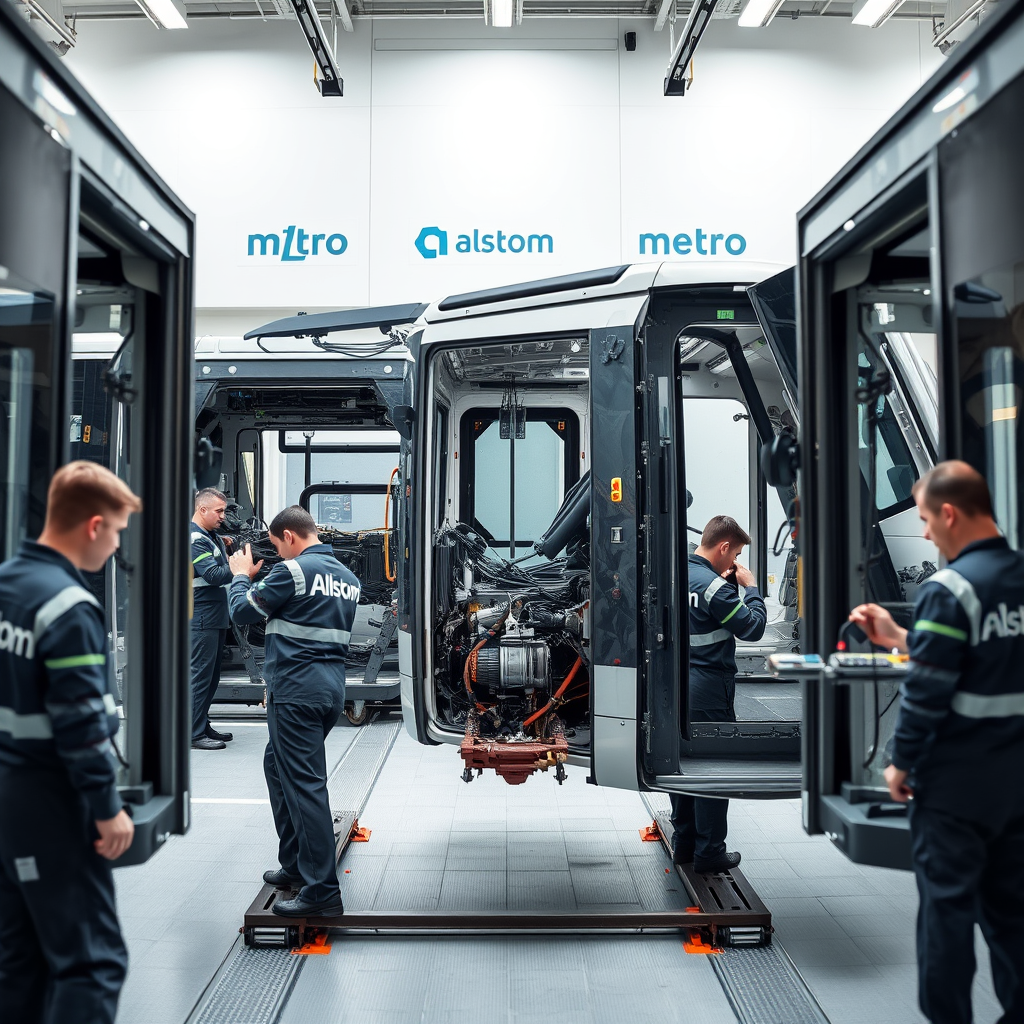
This article examines the recently awarded contract between Alstom and Metro Ligero Oeste (MLO) in Madrid, Spain, for a detailed mid-life overhaul of 27 Citadis trams. The project, spanning from 2025 to 2029, highlights the crucial role of ongoing maintenance and upgrades in ensuring the long-term operational efficiency and safety of light rail transit (LRT) systems. We will delve into the specifics of the contract, including the scope of work, the planned timeline, the importance of this partnership, and the broader implications for the maintenance strategies within the rail industry. The analysis will also touch upon the technological advancements and sustainable practices integral to modern tram overhauls, emphasizing their contribution to enhanced passenger experience and overall system reliability. The case study of this Madrid project offers valuable insights into best practices for fleet management and highlights the increasing significance of collaboration between manufacturers and operators in maintaining a robust and efficient public transportation network.
The Madrid Citadis Tram Overhaul: Scope and Significance
Alstom, the original manufacturer of the Citadis trams, has secured a contract with MLO for a complete mid-life overhaul. This isn’t simply routine maintenance; it’s a significant undertaking encompassing a detailed inspection and refurbishment of critical components. The work includes the braking system – a paramount safety feature – bogies (the undercarriage supporting the tram car), circuit breakers, vehicle couplings, inter-car shock absorbers, and the emergency brake control unit. This detailed approach ensures not only the continued safe operation of the trams but also enhances their longevity and reduces the need for more frequent, less cost-effective repairs in the future. The phased approach, beginning in January 2025 and extending until 2029, allows for planned maintenance and minimizes service disruptions.
A Long-Term Partnership and its Benefits
The collaboration between Alstom and MLO extends back to the initial deployment of the Citadis trams in 2007. This long-standing partnership fosters trust and efficiency. Alstom’s deep understanding of the tram’s design and operational history allows for more targeted and effective maintenance. The familiarity with the system also reduces the risk of unforeseen complications during the overhaul process. Additionally, this established relationship streamlines communication and facilitates quicker problem-solving, minimizing delays and costs. MLO’s decision to renew their confidence in Alstom speaks volumes about the successful track record of their prior collaborations.
Technological Advancements and Sustainable Practices
The overhaul isn’t just about restoring the trams to their original condition; it’s also about incorporating modern technologies and sustainable practices. Alstom’s facility in Pinto, Madrid will handle the engineering, testing, and fine-tuning. This likely involves implementing updates to the tram’s control systems, potentially improving energy efficiency, passenger comfort, and operational performance. The use of modern materials and techniques during the refurbishment will contribute to the tram’s overall environmental impact, aligning with the broader push towards sustainable transportation solutions within the urban environment. The focus is not only on restoring functionality, but also on upgrading the fleet to meet evolving needs and standards.
Strategic Implications for Railway Fleet Management
The Madrid Citadis tram overhaul serves as a valuable case study for other railway operators. The project demonstrates the economic and operational benefits of planned, detailed mid-life overhauls over a series of smaller, reactive repairs. This approach extends the lifespan of rolling stock, reduces lifecycle costs, and optimizes maintenance resources. The long-term partnership between Alstom and MLO highlights the importance of collaborative relationships between manufacturers and operators. This collaborative model facilitates efficient maintenance planning, leveraging the expertise of the original equipment manufacturer (OEM) to ensure the continued safety and optimal performance of the fleet. Additionally, the incorporation of technological advancements during the overhaul underscores the importance of continuous improvement and modernization within the railway industry.
Conclusions
The Alstom contract with Metro Ligero Oeste for the mid-life overhaul of its Citadis tram fleet showcases several key aspects of modern railway maintenance and fleet management. The detailed nature of the overhaul, encompassing critical safety systems and numerous components, underpins the importance of preventative maintenance in ensuring the long-term reliability and safety of a light rail network. The phased approach allows for efficient planning and execution, minimizing service disruption. The extended partnership between Alstom, the OEM, and MLO exemplifies the benefits of established collaborations and trust. This close working relationship streamlines communication, speeds up problem-solving, and ultimately optimizes the maintenance process. The integration of technological upgrades during the overhaul highlights the ongoing evolution of railway technology and the commitment to sustainable and efficient transportation. This project serves as a best-practice model for other light rail and railway operators worldwide, emphasizing the financial and operational advantages of preventative, detailed maintenance strategies, particularly when leveraging long-term partnerships with original equipment manufacturers. The success of this project ultimately contributes to safer, more reliable, and more sustainable public transportation for the citizens of Madrid, setting a precedent for future fleet management initiatives across the global rail industry.

Railway infrastructure, rolling stock and transport technologies specialist focused on global rail industry developments, high-speed rail systems, signaling technologies and freight transportation. Covering railway investments, public transport modernization, rail operations and international mobility projects across Europe, Asia and North America.
RELATED POSTS

September 5, 2026 4:19 pm
CPK launched formal tender talks with four consortia to design...

September 5, 2026 7:14 pm
HS2 Ltd signed renegotiated civils contracts with EKFB and Align...
September 5, 2026 5:17 pm
Chiltern Railways completed the Banbury Station ticket office and main...

September 6, 2026 4:12 am
Alstom delivered the first of 100 new G Class trams...
September 5, 2026 6:17 pm
Universal Signalling won a deal to install its U-Cross system...
September 6, 2026 7:12 am
Renfe invests €1bn by 2030 to fix its rail depots...