
Rail Baltica: €932M Estonian Rail Contracts Awarded
The Rail Baltica Mainline Procurement: A Key Milestone in Baltic Rail Development, marking the selection of five consortia to undertake the first round of mainline construction procurement in Estonia, signals significant progress towards transforming regional connectivity and economic opportunities through a high-speed rail line integrating Estonia into Europe’s high-speed network.
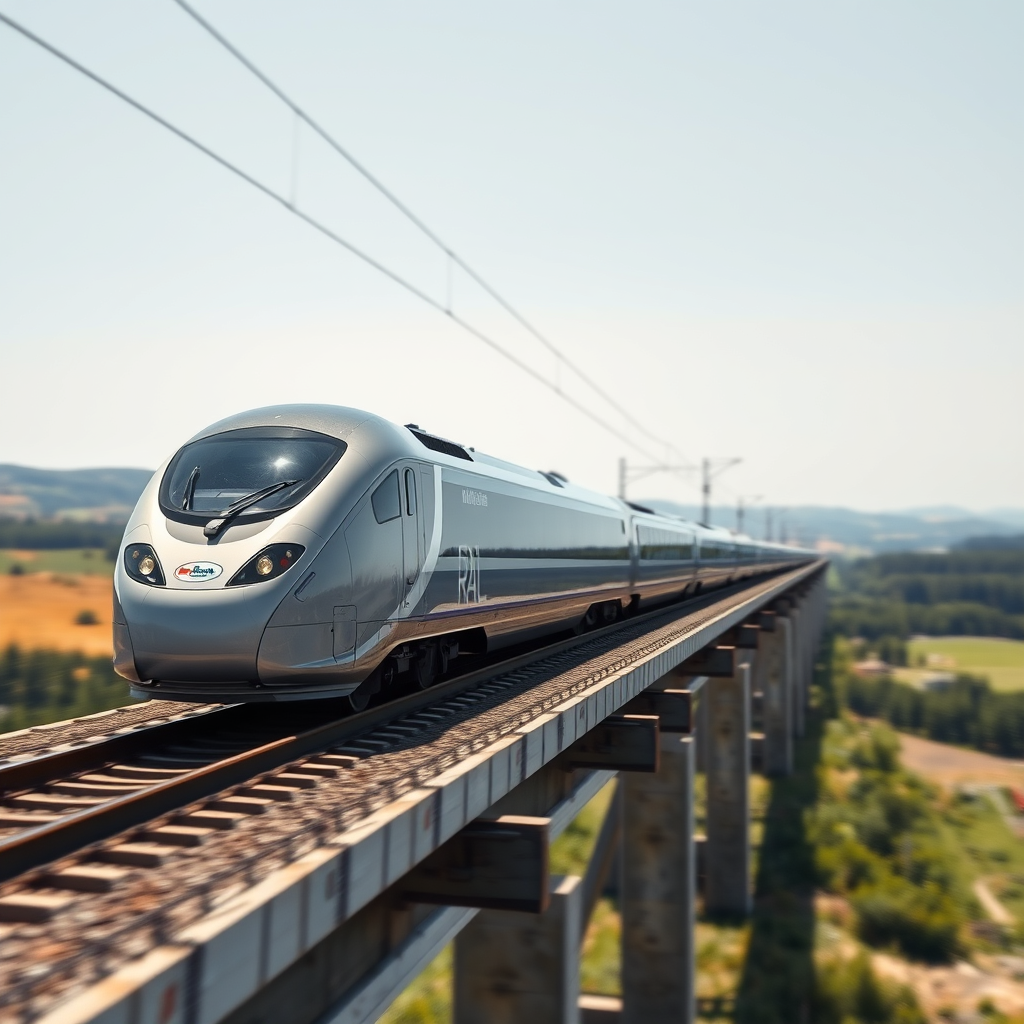
The Rail Baltica project, a significant infrastructure endeavor aiming to integrate the Baltic states (Estonia, Latvia, and Lithuania) into the European Union’s high-speed rail network, has reached a crucial juncture. The selection of five consortia for the first round of mainline construction procurement in Estonia marks a substantial step forward. This article will delve into the intricacies of this procurement process, examining the shortlisted consortia, the scope of the contracts, the financial implications, and the overall significance of this development for the future of rail travel in the Baltic region. The project, funded jointly by the European Union and the Estonian state budget, envisions a high-speed rail line capable of speeds up to 249 km/h (approximately 155 mph) across an 870 km (approximately 540 mile) route. The successful completion of this procurement process will be instrumental in ensuring the timely and efficient implementation of this ambitious project, transforming regional connectivity and economic opportunities.
Shortlisted Consortia and Evaluation Criteria
Five consortia have progressed to the next stage of the Rail Baltica mainline procurement process. The initial evaluation phase rigorously assessed each consortium’s capabilities across three key criteria: technical expertise, financial capacity, and relevant experience in large-scale rail infrastructure projects. This stringent evaluation process ensured only the most qualified and capable bidders advanced. The shortlisted consortia include a diverse range of international and local players, demonstrating a significant level of interest in contributing to this transformative project. The consortia are:
- Bouygues Travaux Public, Budimex, Ingérop Conseil et Ingénierie, KMG Infra, and WSP Finland
- GRK Eesti AS, GRK Suomi, AS Merko Ehitus Eesti, NGE Contracting, Sweco Finland and Sweco Sverige
- Leonhard Weiss, INF Infra, Leonhard Weiss, Ramboll Danmark, and Skepast & Puhkim
- Verston Eesti, GoTrack, Jarelpinge Inseneriburoo, and Reaalprojekt
- Vinci Construction GeoInfrastructure, AS TREV-2 Grupp, Dodin Campenon Bernard, and Systra
Scope and Value of the Contracts
The procurement process encompasses two major contracts: The first, valued at approximately €394 million (approximately $415.7 million USD), focuses on the railway superstructure (the track, ballast, and associated components) for the Ulemiste–Pärnu section and the substructure (the earthworks, bridges, and culverts) for the Tootsi–Pärnu section. The second contract, estimated at €332 million (approximately $350.3 million USD), involves the complete design and construction of the Pärnu–Ikla section. The total value of the alliance procurement could reach up to €932 million (approximately $983.4 million USD), incorporating optional strategic material procurement.
The Procurement Process: Next Steps
Following the initial selection, the procurement process will progress through several key stages. This includes the submission of detailed proposals, rigorous contract negotiations, collaborative development workshops to refine designs and implementation plans, and finally, the submission of final bids. The ultimate goal is the signing of these two significant contracts by the first half of 2025. The efficiency and transparency of this process will be critical to maintaining the project’s momentum and ensuring its timely completion.
Conclusion
The shortlisting of five consortia for the Rail Baltica mainline procurement in Estonia represents a pivotal achievement for this ambitious infrastructure project. The rigorous evaluation process, focusing on technical expertise, financial capacity, and relevant experience, ensures that only the most capable bidders are involved. The significant financial investment, totaling up to €932 million (approximately $983.4 million USD), underscores the project’s scale and importance. The contracts cover substantial sections of the Estonian portion of the Rail Baltica line, encompassing both the railway superstructure and substructure. The upcoming stages of the procurement, including proposal submission, contract negotiations, and development workshops, will be crucial for ensuring a seamless transition into the construction phase. The successful execution of these contracts will significantly advance the Rail Baltica project towards its ultimate goal of creating a modern, high-speed rail network connecting the Baltic states to the broader European rail system. The completion of Rail Baltica will not only enhance regional connectivity and economic integration but also contribute to a more sustainable and efficient transportation system within the region, fostering economic growth and strengthening ties with the wider European Union.

Railway infrastructure, rolling stock and transport technologies specialist focused on global rail industry developments, high-speed rail systems, signaling technologies and freight transportation. Covering railway investments, public transport modernization, rail operations and international mobility projects across Europe, Asia and North America.
RELATED POSTS

September 5, 2026 4:19 pm
CPK launched formal tender talks with four consortia to design...

September 6, 2026 4:12 am
Alstom delivered the first of 100 new G Class trams...

September 5, 2026 7:14 pm
HS2 Ltd signed renegotiated civils contracts with EKFB and Align...
September 5, 2026 6:17 pm
Universal Signalling won a deal to install its U-Cross system...
September 6, 2026 8:17 am
DB InfraGO reopened the Nuremberg-Regensburg line in Bavaria on 31...
September 6, 2026 12:20 pm
Indian Railways ordered a probe after a fire destroyed 2...