
Huelva Port: Advanced Railway Safety & Efficiency
The article discusses how advanced technology, particularly the implementation of Thales’s CTC 1000 system at the Port of Huelva, Spain, has enhanced safety and efficiency in railway operations within a critical logistics hub, showcasing the significant role modern systems play in optimizing port infrastructure.
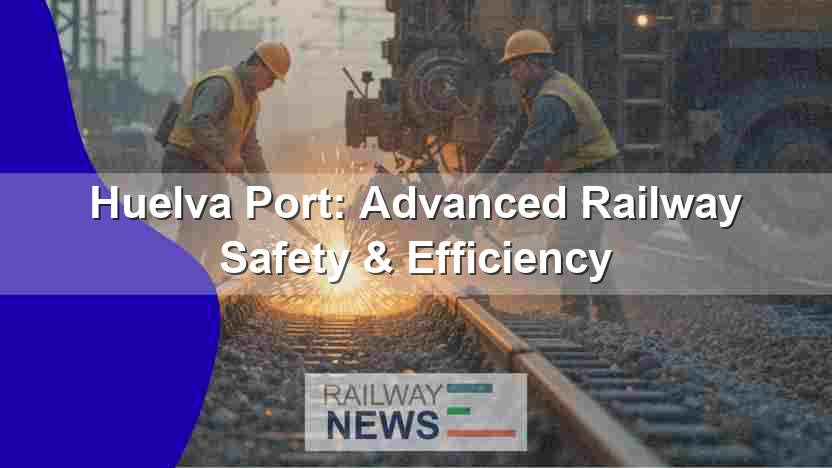
This article explores the crucial role of advanced technology in enhancing railway safety and operational efficiency within the context of port operations, using the Thales project at the Port of Huelva, Spain, as a prime example. The increasing demand for efficient and safe freight transport necessitates the modernization of port railway infrastructure. This modernization requires sophisticated systems capable of managing the complex interactions between train movements, port operations, and overall safety protocols. The integration of such systems presents both technical and logistical challenges, demanding careful planning and execution to avoid disruptions to port activities. This case study will analyze the specific technologies implemented, their impact on port efficiency, and the broader implications for the future of port railway systems worldwide. The discussion will also examine the benefits of such systems, including increased safety, improved operational efficiency, and enhanced capacity, highlighting the significance of public-private partnerships in driving technological advancements in the transport sector.
Enhanced Port Railway Safety Systems at the Port of Huelva
Thales, a leading player in the rail industry, has undertaken a two-year project to significantly upgrade the safety and operational capabilities of the railway terminals within the Port of Huelva, a strategically important cargo and fishing port in southwestern Spain. The project focuses on increasing the port’s capacity and implementing a state-of-the-art safety system. Central to this initiative is the deployment of a new centralized Traffic Control Centre (CTC), the CTC 1000 system, which leverages Thales’s cutting-edge technology. This CTC will provide real-time monitoring and control of all train movements within the port’s railway infrastructure, greatly enhancing safety and operational efficiency. The implementation of automated track gates, coupled with a detailed light and sound signaling system at level crossings, further augments safety protocols. These improvements are designed to seamlessly integrate with the existing safety systems managed by Adif (Administrador de Infraestructuras Ferroviarias) CTC, ensuring a detailed and cohesive approach to railway safety management.
Integration with Existing Infrastructure and Port Operations
The project’s success hinges on seamless integration with existing port infrastructure and operational procedures. The Majarabique freight terminal, a key component of the port’s operations, will be connected to the new safety management system via a dedicated computer interface. This integration allows for real-time information sharing between the terminal and the CTC 1000, ensuring coordinated and efficient management of freight loading and unloading operations. The system’s ability to manage the interplay between train movements, terminal activities, and overall port operations is critical to realizing the intended benefits of increased efficiency and improved safety. This coordinated approach minimizes potential conflicts and maximizes the throughput of the port’s railway system. Such a cohesive system highlights the importance of integrating new technologies with existing systems in a detailed manner.
Technological Advancements and System Architecture
The core technological advancements within the Huelva project include the deployment of the CTC 1000, automated track gates, and the advanced light and sound signaling system. The CTC 1000 serves as the central nervous system, providing real-time monitoring and control capabilities. The automated track gates eliminate human error and improve response times to changing operational conditions. The light and sound signals enhance safety at level crossings, minimizing the risk of accidents involving trains and other road traffic. These technologies are not merely individual components but rather interconnected elements within a larger system architecture designed to optimize overall safety and efficiency. The architecture is designed for scalability and future expansion, providing a robust and adaptable system capable of meeting the evolving needs of the port. This design philosophy ensures the long-term viability and effectiveness of the investment.
Broader Implications and Future Trends
The Huelva project exemplifies a broader trend towards the adoption of advanced technologies to enhance the safety and efficiency of port railway systems globally. Thales’s experience in similar projects at other Spanish ports, such as Ferrol-San Cibrao, Puerto Seco de Pancorbo, Malaga, and Seville, underscores the growing demand for such solutions. The success of these implementations demonstrates the significant improvements in operational efficiency and safety that can be achieved through strategic investment in modern railway technologies. The increased efficiency translates directly to reduced operational costs and improved competitiveness for the ports. Additionally, enhanced safety features mitigate the risk of accidents and protect both personnel and assets. This contributes to a safer and more sustainable transportation sector.
Conclusions
The Thales project at the Port of Huelva represents a significant advancement in port railway safety and operational efficiency. The implementation of the CTC 1000, automated track gates, and advanced signaling systems, integrated with existing infrastructure and the Majarabique freight terminal, demonstrates a sophisticated approach to managing complex railway operations within a port environment. The project’s success hinges on the seamless integration of new technologies with existing systems, ensuring a cohesive and efficient overall operation. The benefits extend beyond the immediate improvement in safety and operational efficiency at the Port of Huelva; it serves as a model for other ports facing similar challenges in managing their rail infrastructure. The project highlights the growing importance of public-private partnerships in driving innovation and technological advancements within the transportation sector. By investing in cutting-edge technologies such as those implemented in Huelva, ports can enhance their safety, efficiency, and overall competitiveness in the global market. The demonstrated success at Huelva, along with similar successful projects undertaken by Thales in other Spanish ports, points towards a future where advanced railway technologies are increasingly critical in optimizing port operations worldwide. This approach offers a blueprint for sustainable and efficient growth in the port logistics sector, showcasing the crucial role of technological advancement in addressing the complexities of modern transportation needs.

Railway infrastructure, rolling stock and transport technologies specialist focused on global rail industry developments, high-speed rail systems, signaling technologies and freight transportation. Covering railway investments, public transport modernization, rail operations and international mobility projects across Europe, Asia and North America.
RELATED POSTS

September 5, 2026 4:19 pm
CPK launched formal tender talks with four consortia to design...

September 5, 2026 7:14 pm
HS2 Ltd signed renegotiated civils contracts with EKFB and Align...

September 6, 2026 4:12 am
Alstom delivered the first of 100 new G Class trams...
September 5, 2026 6:17 pm
Universal Signalling won a deal to install its U-Cross system...

September 6, 2026 8:17 am
DB InfraGO reopened the Nuremberg-Regensburg line in Bavaria on 31...
September 6, 2026 12:20 pm
Indian Railways ordered a probe after a fire destroyed 2...