
Turkey’s High-Speed Rail: Hitachi’s Modernization
Hitachi Rail modernizes Türkiye’s high-speed rail network with ETCS Levels 1 & 2 digital signalling on Ankara–Istanbul and Ankara–Sivas lines, slashing travel time from 12 hours to 2 hours and aligning infrastructure with European standards.
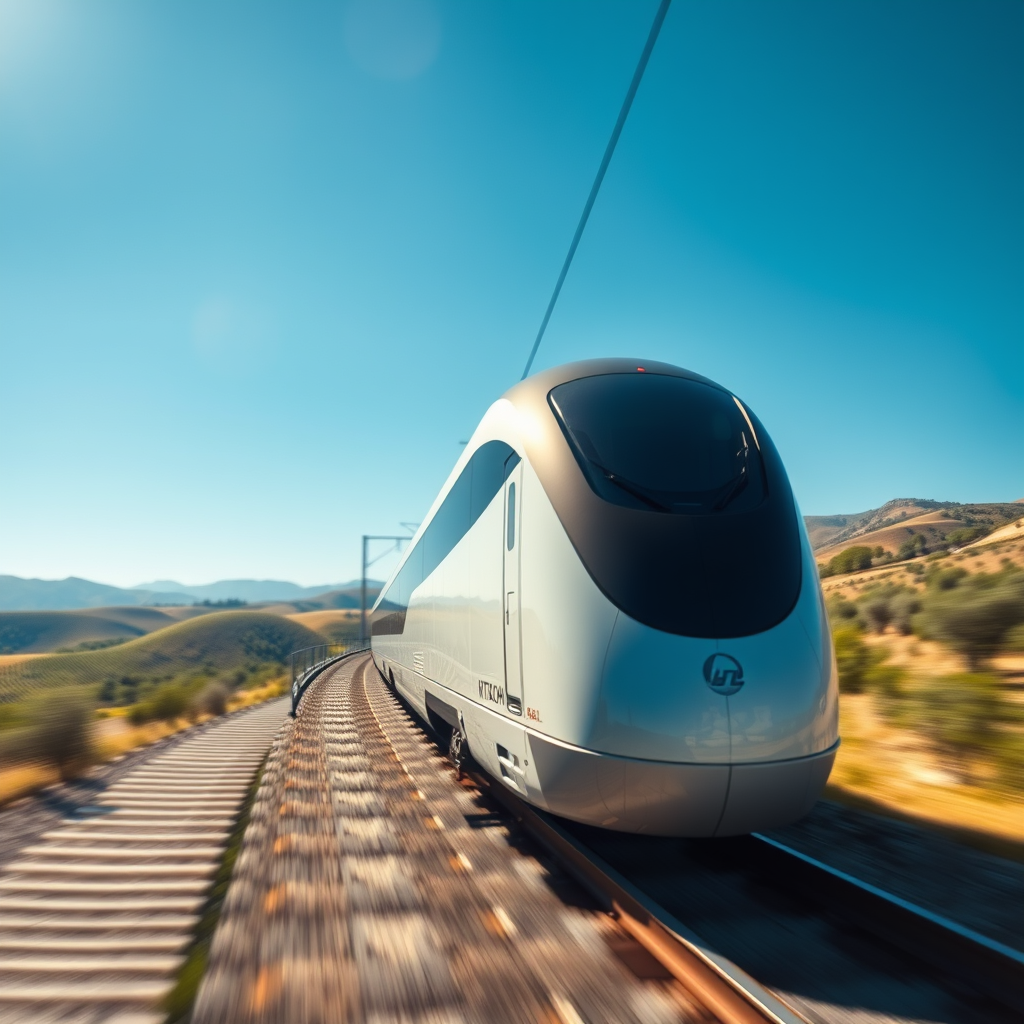
This article explores the significant modernization of Türkiye’s high-speed rail network, focusing on Hitachi Rail’s crucial role in deploying advanced signaling and telecommunications systems. The improvements implemented across key sections, such as the Ankara-Istanbul and Ankara-Sivas lines, represent a considerable leap forward in Türkiye’s rail infrastructure. This modernization is not merely about upgrading existing systems; it’s about aligning Türkiye’s rail technology with European standards, enhancing operational efficiency, increasing passenger capacity, and ultimately positioning the country as a vital rail transit hub connecting Europe and the Middle East. We will delve into the specific technologies implemented, their impact on operational performance, and the broader strategic implications for Türkiye’s railway network and its integration into the global rail landscape. The discussion will encompass the technological advancements, operational improvements, and the far-reaching implications for national and regional connectivity.
Hitachi Rail’s Contribution to Türkiye’s High-Speed Rail Network
Hitachi Rail’s involvement in upgrading Türkiye’s high-speed rail network is multifaceted and substantial. The company has implemented digital signaling and telecommunications systems on critical sections connecting Ankara to both Istanbul and Sivas. On the Ankara-Istanbul high-speed line, completed in 2014, Hitachi Rail’s work has focused on improving capacity and maximum speed. This involved implementing the European Train Control System (ETCS) Level 1 on the Geyve-Doğançay section and ETCS Level 2 on the Köseköy–Eskişehir section, along with a modernized interlocking system. These upgrades are integral to the European Rail Traffic Management System (ERTMS), bringing Türkiye’s rail signaling standards into alignment with European best practices and facilitating seamless cross-border operations.
Technological Advancements and Operational Improvements
The integration of ETCS (European Train Control System) Levels 1 and 2, coupled with upgraded interlockings and centralized traffic control systems, represents a significant technological advancement. ETCS is a crucial component of ERTMS (European Rail Traffic Management System), allowing for safer, more efficient, and higher-capacity train operations. The implementation of ETCS allows for significantly improved train spacing, reducing delays and increasing the overall throughput on the line. This translates to more frequent services and shorter journey times, directly benefiting passengers. The specific application of ETCS Level 1 and Level 2 reflects a strategic approach to maximizing safety and efficiency across different sections of the high-speed lines based on their specific operational needs.
The Ankara-Sivas High-Speed Line: A Case Study
Hitachi Rail’s contribution extends to the Ankara-Sivas high-speed line, a vital component of the Edirne-Kars rail corridor, connecting Europe and the Middle East. On the 160km Kayas-Yerkoy section of this line, Hitachi Rail installed electronic interlockings, centralized traffic control, and ETCS Levels 1 and 2. The implementation of these technologies has drastically reduced travel time from 12 hours to 2 hours, enabling trains to reach speeds of up to 250 km/h. The improved signaling and control systems allow for much shorter headways (the minimum distance between trains), maximizing track capacity and significantly enhancing operational efficiency. This section highlights the impact of modern signaling systems on overall travel times and the effectiveness of the infrastructure investments.
Conclusions
Hitachi Rail’s deployment of advanced signaling and telecommunications systems on Türkiye’s high-speed rail network represents a pivotal step in modernizing the country’s rail infrastructure. The successful integration of ETCS (European Train Control System) Levels 1 and 2, along with upgraded interlockings and centralized traffic control systems, has resulted in significant improvements in operational efficiency, safety, and passenger capacity. The Ankara-Istanbul and Ankara-Sivas high-speed lines serve as compelling examples of this transformation. The reduction in travel times on the Ankara-Sivas line, from 12 hours to 2 hours, is a testament to the effectiveness of these technological upgrades. Additionally, the alignment of Türkiye’s rail standards with European protocols, through the adoption of ERTMS (European Rail Traffic Management System), is a crucial step towards enhancing national and regional connectivity, positioning Türkiye as a key transit hub between Europe and the Middle East. This modernization significantly improves the overall efficiency and capacity of the Turkish rail network, enhancing passenger experience and supporting national economic growth. The project’s success showcases the benefits of strategic investments in cutting-edge railway technology and its impact on national transportation infrastructure. The future integration of Communication-Based Train Control (CBTC) technology further promises to optimize operations and enhance the overall passenger experience. Looking forward, further investments in technological advancements within the Turkish rail network will be essential to maintain its competitiveness and continue driving economic growth.

Transport and railway industry editor covering global rail infrastructure, sustainable mobility, urban transit systems and next-generation railway technologies with a focus on accessible and industry-focused reporting.
RELATED POSTS

September 5, 2026 4:19 pm
CPK launched formal tender talks with four consortia to design...

September 5, 2026 7:14 pm
HS2 Ltd signed renegotiated civils contracts with EKFB and Align...
September 6, 2026 4:12 am
Alstom delivered the first of 100 new G Class trams...
September 6, 2026 8:17 am
DB InfraGO reopened the Nuremberg-Regensburg line in Bavaria on 31...
September 5, 2026 6:17 pm
Universal Signalling won a deal to install its U-Cross system...
September 6, 2026 12:20 pm
Indian Railways ordered a probe after a fire destroyed 2...