
HS2’s Wendover Viaduct: Sustainable Design
The Wendover Dean Viaduct, constructed using a “double composite” design inspired by France’s TGV network, showcases HS2’s innovative approach to sustainable railway bridge construction, emphasizing efficient use of materials and reduced carbon footprint through collaboration among engineering firms and architects.
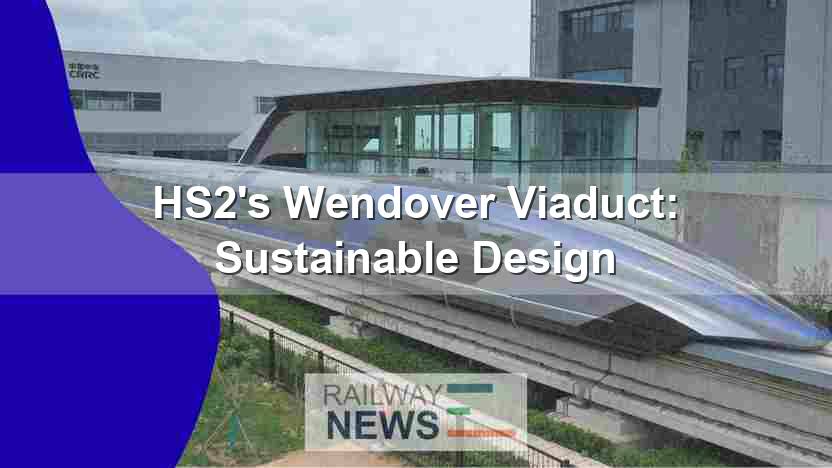
This article explores the innovative construction of the Wendover Dean Viaduct for the UK’s High Speed 2 (HS2) railway project, highlighting its groundbreaking “double composite” design and commitment to environmental sustainability. The project exemplifies a shift towards more environmentally conscious construction practices within the rail industry, showcasing the integration of advanced engineering techniques with a focus on reducing the carbon footprint of major infrastructure projects. The viaduct’s design, construction methods, and materials selection will be analyzed, emphasizing the significant role of collaboration between engineering firms and the pursuit of efficient and sustainable solutions. We will also examine the broader implications of this project for future railway infrastructure development in the UK and beyond, focusing on the potential for widespread adoption of similar sustainable construction methods.
The Wendover Dean Viaduct: A Double Composite Design
The 450-meter-long Wendover Dean Viaduct, located south of Wendover in Buckinghamshire, marks a significant advancement in railway bridge construction. Its unique “double composite” structure, inspired by designs used on France’s TGV high-speed network, utilizes two steel girders sandwiched between two layers of reinforced concrete. This design creates a lightweight yet incredibly strong hollow span, optimizing material usage and reducing the overall weight of the structure. This approach, developed through collaboration between HS2’s main works contractor EKFB (a joint venture of Eiffage, Kier, Ferrovial, and BAM), its design partner ASC, and specialist architects Moxon, represents a departure from traditional railway bridge construction methods. The innovative design allows for the use of significantly lower carbon-intensive concrete and steel compared to conventional designs, making it a truly sustainable infrastructure solution.
Sustainable Construction Practices in HS2
The Wendover Dean Viaduct is not just a marvel of engineering; it is a testament to HS2’s commitment to environmental responsibility. The project prioritizes the reduction of its carbon footprint throughout its lifecycle. The selection of low-carbon materials is a crucial aspect of this commitment. The use of optimized concrete mixes and steel with reduced embodied carbon significantly minimizes the environmental impact of the project. The construction process itself is meticulously planned to minimize waste and maximize resource efficiency. Additionally, HS2’s broader sustainability goals extend beyond the construction phase; the HS2 trains themselves are designed to be zero-carbon from day one, showcasing a holistic approach to sustainable transportation.
Foundation and Construction Methodology
The foundation of the viaduct comprises 53 concrete piles driven deep into the ground to ensure stability and support the immense weight of the structure. This phase of construction requires careful planning and execution to minimize disruption to the surrounding environment. The precise placement of the piles and their interaction with the soil require sophisticated engineering analysis and expertise. The subsequent construction phases involve the erection of the steel girders and the careful placement and pouring of the reinforced concrete layers. This precise, phased approach minimizes risks, ensures quality control, and maintains the project’s schedule. This meticulous construction approach is crucial for delivering a high-quality, durable, and sustainable infrastructure asset.
Implications for Future Railway Infrastructure
The success of the Wendover Dean Viaduct’s construction and its innovative double composite design holds significant implications for future railway infrastructure development. The project serves as a compelling case study demonstrating the feasibility and advantages of adopting more sustainable construction methods within the rail industry. The successful integration of sustainable materials and techniques significantly reduces the environmental impact of large-scale infrastructure projects, which is crucial in the face of growing environmental concerns. This project could inspire similar initiatives across the UK and globally, encouraging the adoption of eco-friendly design and construction practices in future railway infrastructure development. The project highlights the importance of collaboration between engineering firms, architects, and contractors in achieving sustainable outcomes.
Conclusions
The construction of the Wendover Dean Viaduct represents a significant milestone for the HS2 project and the UK rail industry as a whole. The innovative “double composite” design, prioritizing both strength and sustainability, showcases a commitment to environmentally conscious engineering practices. The viaduct’s construction, with its meticulous planning and use of low-carbon materials, reduces the project’s overall carbon footprint. The 53 concrete piles forming its foundation provide a stable base for this impressive structure. The project’s success stems from strong collaboration among EKFB (Eiffage, Kier, Ferrovial, and BAM), ASC, and Moxon, underscoring the importance of teamwork in delivering complex infrastructure projects. This innovative approach to bridge construction not only enhances efficiency but also sets a new standard for sustainable railway infrastructure development. The success of the Wendover Dean Viaduct holds significant implications for future projects, promoting the adoption of sustainable design and construction practices globally and paving the way for a greener future in the rail industry. The project serves as a powerful example of how technological advancements and a commitment to sustainability can work hand-in-hand to create high-quality, environmentally responsible infrastructure solutions. The wider impact extends beyond the immediate project, demonstrating the feasibility and effectiveness of these methods for future railway and other large-scale construction projects, driving advancements in sustainable engineering practices across the globe. The long-term benefits, both environmentally and economically, are substantial, establishing a new benchmark for future rail infrastructure development.

Railway infrastructure, rolling stock and transport technologies specialist focused on global rail industry developments, high-speed rail systems, signaling technologies and freight transportation. Covering railway investments, public transport modernization, rail operations and international mobility projects across Europe, Asia and North America.
RELATED POSTS

October 8, 2026 1:15 pm
Alstom secured a €1bn contract to build 13 automated trains,...

October 1, 2026 7:09 am
United States regulators confirmed a September 30 deadline for the...

October 8, 2026 12:18 pm
Siemens Mobility signed an agreement with VinSpeed to supply 350...

October 4, 2026 5:14 pm
Alstom secured a CA$4.7 billion order from VIA Rail Canada...

October 5, 2026 6:12 pm
AECOM and Jacobs secured a contract in September 2026 to...

October 4, 2026 11:08 pm
Sound Transit confirmed the September 30 opening of Seattle Pinehurst...