
Goats: Queensland Rail’s Eco-Friendly Weed Solution
QR’s innovative goat-led vegetation control project demonstrates a sustainable solution for managing railway line vegetation by mitigating environmental impact while efficiently addressing difficult terrain challenges, offering a cost-effective alternative to traditional methods.
Introduction
This article explores the innovative and environmentally conscious approach adopted by Queensland Rail (QR) in managing railway line vegetation. Traditional methods of vegetation control often involve the use of herbicides and heavy machinery, which can have negative environmental consequences and limitations in accessing difficult terrain. QR’s initiative, inspired by similar projects undertaken by Melbourne Metro, leverages a herd of goats to address these challenges. This novel approach offers a sustainable alternative, mitigating environmental impact while efficiently managing vegetation growth in hard-to-reach areas along the railway line. We will examine the specifics of this project, its advantages, potential challenges, and the broader implications for railway infrastructure management and environmental sustainability within the rail industry.
Goat Herding: A Sustainable Solution for Vegetation Management
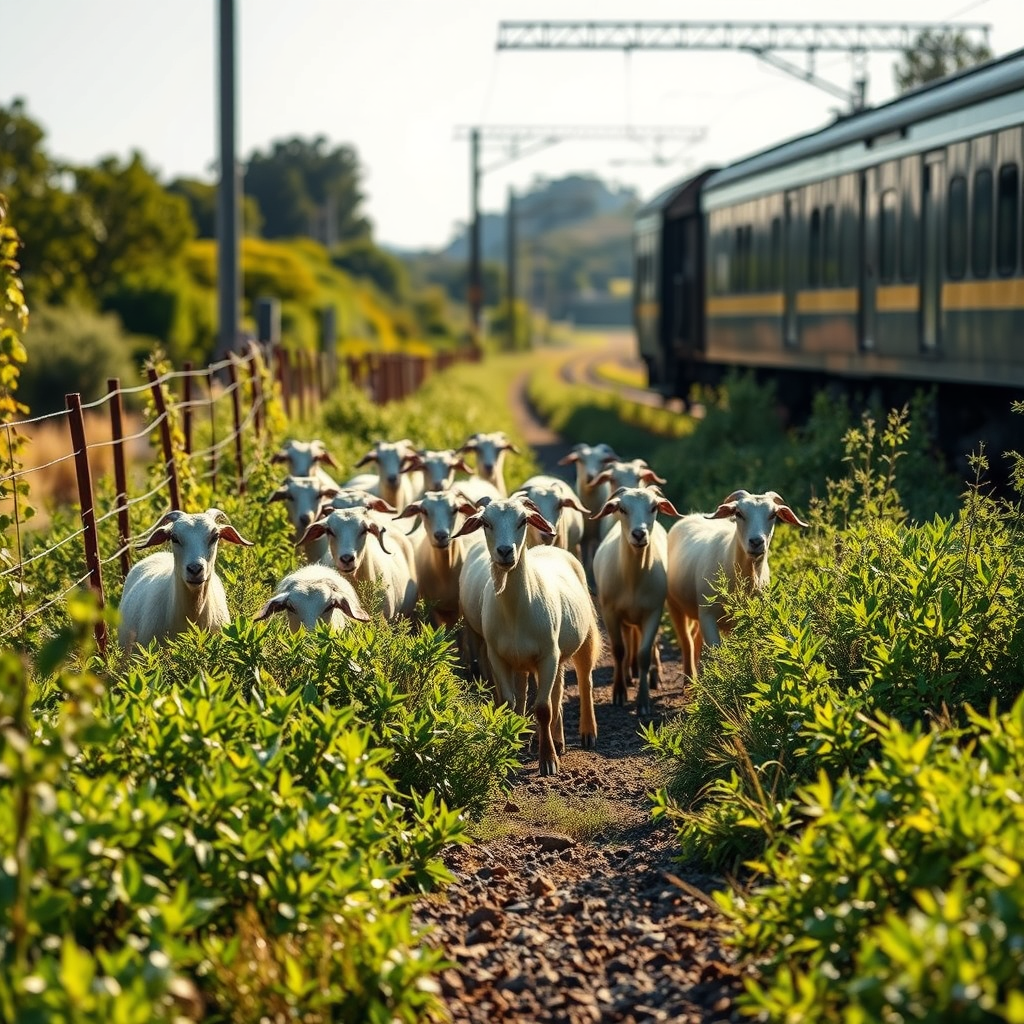
Queensland Rail’s decision to employ a herd of 15 goats for an eight-week trial near Tully railway station represents a significant shift towards sustainable practices in railway maintenance. The goats are deployed to control the growth of tall grasses and weeds, effectively replacing traditional methods which often entail the use of chemical herbicides or fuel-intensive machinery. This eco-friendly approach reduces the railway’s carbon footprint and minimizes the potential for soil and water contamination associated with herbicide use. The goats’ natural grazing habits provide a cost-effective and environmentally sound alternative, particularly in areas inaccessible to heavy machinery.
Addressing Accessibility and Safety Concerns
One of the key advantages of using goats lies in their ability to access challenging terrains. Unlike heavy machinery, goats can easily navigate steep slopes and rocky areas, effectively managing vegetation in locations previously difficult or impossible to reach with conventional methods. This allows for detailed vegetation control along the entire length of the railway line, enhancing safety and preventing potential hazards caused by overgrown vegetation obstructing tracks or reducing visibility. QR’s collaboration with NQ Vegetation Management (Norveg), a company specializing in this type of ecological management, ensured that safety protocols were rigorously implemented. Remote monitoring systems allowed for constant observation of the goats’ well-being and the integrity of the electric fencing designed to contain them within the designated area near the railway tracks.
Economic and Environmental Benefits
The economic benefits of the goat-based approach are multifaceted. It reduces reliance on expensive herbicides and fuel-intensive machinery, lowering operating costs. Additionally, the environmentally friendly nature of this method aligns with the growing emphasis on sustainability within the railway industry. By reducing the use of herbicides, the risk of contaminating water sources and harming local ecosystems is minimized, resulting in long-term environmental benefits. The project’s success could encourage other railway operators to adopt similar sustainable practices, contributing to a wider industry-wide shift towards environmentally responsible infrastructure maintenance.
Conclusions
Queensland Rail’s innovative use of goats to manage vegetation along its railway lines represents a significant advancement in sustainable railway infrastructure management. This project, inspired by successful trials undertaken by Melbourne Metro, demonstrates a proactive commitment to environmental responsibility and cost-effectiveness. The ability of goats to access challenging terrain, their natural grazing capabilities, and the reduced reliance on potentially harmful herbicides offer multiple advantages. The success of the eight-week trial near Tully railway station, as monitored by Norveg, highlights the viability and effectiveness of this approach. The positive online and local community response further underscores its acceptance. The potential for extending this contract underscores the possibility of wider adoption, potentially setting a precedent for other railway operators seeking to improve environmental sustainability and optimize their vegetation management practices. This initiative not only reduces costs associated with traditional methods but also minimizes the environmental impact, setting a new standard for responsible and efficient railway maintenance. The successful integration of technology, through remote monitoring systems, ensures the safety of the goats and the efficacy of the operation. The overall success of this project contributes towards creating a more eco-friendly and cost-effective approach to railway management, setting an example for others in the industry to follow. The positive community response underlines the public’s appreciation for innovative and sustainable solutions within the rail sector. The long-term implications of this project, from potential cost savings to reduced environmental impact, indicate a promising future for this environmentally friendly method of vegetation management in the railway industry.

Railway infrastructure, rolling stock and transport technologies specialist focused on global rail industry developments, high-speed rail systems, signaling technologies and freight transportation. Covering railway investments, public transport modernization, rail operations and international mobility projects across Europe, Asia and North America.
RELATED POSTS

October 1, 2026 7:09 am
United States regulators confirmed a September 30 deadline for the...

October 8, 2026 1:15 pm
Alstom secured a €1bn contract to build 13 automated trains,...

October 4, 2026 5:14 pm
Alstom secured a CA$4.7 billion order from VIA Rail Canada...

October 8, 2026 12:18 pm
Siemens Mobility signed an agreement with VinSpeed to supply 350...

October 5, 2026 6:12 pm
AECOM and Jacobs secured a contract in September 2026 to...

October 4, 2026 11:08 pm
Sound Transit confirmed the September 30 opening of Seattle Pinehurst...