
Sydney Metro: Unveiling Driverless Train Tech
The unveiling of Siemens Mobility’s new train prototype for the Sydney Metro – Western Sydney Airport line signifies a pivotal advancement in urban rail technology, featuring advanced driverless capabilities and innovative design elements like artwork inspired by local culture. This marks a significant step towards sustainable and technologically sophisticated urban transportation infrastructure.
This article explores the significant development of the Sydney Metro – Western Sydney Airport line, focusing on the recently unveiled Siemens Mobility train and the broader implications of this project for Australia’s infrastructure and economic landscape. The project represents a substantial investment in advanced rail technology and sustainable transportation solutions. We will examine the technological advancements incorporated into the train design, the economic benefits associated with the project’s construction and operation, and the long-term strategic importance of integrating such infrastructure into a rapidly growing metropolitan area. The discussion will explore the multifaceted aspects of this undertaking, from the design and engineering of the driverless trains to the detailed digital infrastructure supporting their operation and maintenance. The strategic partnership between Siemens Mobility and its consortium partners, and the role of innovative asset management systems in ensuring operational efficiency will also be highlighted. Ultimately, the analysis will consider the Sydney Metro project as a case study illustrating the future of sustainable and technologically advanced urban rail systems.
The Unveiling of a Modern Train Design
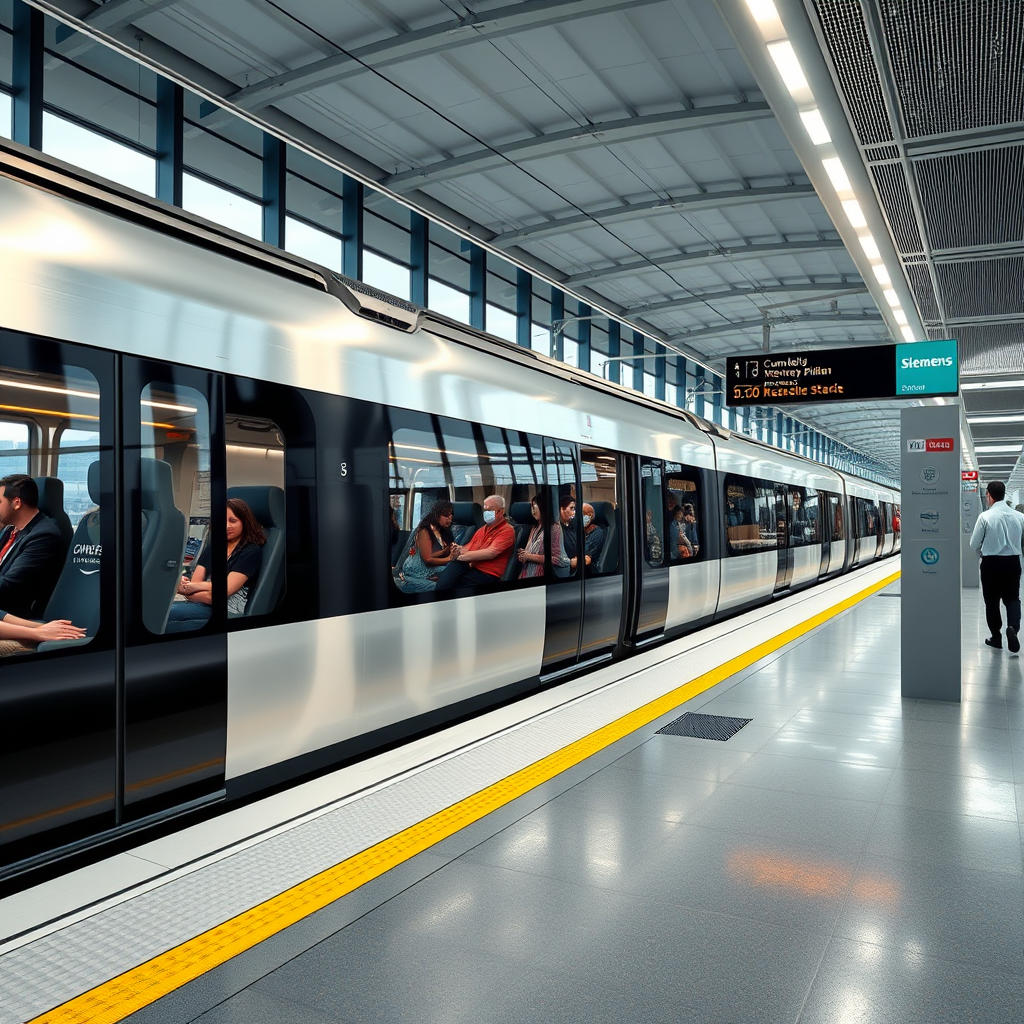
Siemens Mobility, in collaboration with its Parklife Metro consortium partners, has unveiled a full-scale prototype of the new metro train destined for the Sydney Metro – Western Sydney Airport line. This prototype offers a detailed preview of the passenger experience, prioritizing comfort and accessibility. Features include large windows providing expansive views of Western Sydney, flexible seating arrangements, ample handrails, and spacious multifunctional areas with dedicated wheelchair spaces. The incorporation of wide double doors facilitates rapid passenger boarding and alighting, enhancing overall efficiency. Additionally, the seats feature artwork inspired by the Cumberland Plain region, integrating art and local culture into the design. This prototype serves as a crucial testing ground, allowing stakeholders to refine aspects like interior lighting, emergency systems, and passenger information displays before final production.
Technological Advancements and the Digital Rail Infrastructure
The Sydney Metro – Western Sydney Airport line represents a significant leap forward in rail technology. The project involves the deployment of twelve autonomous (driverless) trains, a testament to the increasing reliance on automation in modern rail systems. This automation not only enhances operational efficiency but also improves safety and reduces reliance on human operators. Beyond the trains themselves, a substantial investment has been made in digital rail infrastructure. This includes the implementation of sophisticated Intelligent Transportation Systems (ITS), encompassing centralized train control systems and advanced monitoring capabilities. Siemens Mobility’s Railigent X digital asset management system plays a vital role in optimizing operational reliability and availability through predictive maintenance and efficient resource allocation. The integration of these cutting-edge technologies signifies a paradigm shift towards intelligent, data-driven rail operations.
Economic Impact and Job Creation
The economic impact of the Sydney Metro – Western Sydney Airport line extends far beyond the initial investment. The €900 million ($931 million USD) contract awarded to Siemens Mobility encompasses not only the supply of trains and digital infrastructure but also a 15-year maintenance agreement. This long-term commitment ensures ongoing economic activity and supports a skilled workforce. Additionally, the project is projected to create 14,000 jobs during the construction phase, stimulating growth within New South Wales and the Australian economy as a whole. This underscores the significant role large-scale infrastructure projects play in driving economic development and fostering job creation.
The Strategic Significance of the Project
The Sydney Metro – Western Sydney Airport line is not merely a transportation project; it is a strategic investment in the future of Western Sydney. The 23km line connecting Western Sydney International Airport to Bradfield City Centre will significantly improve connectivity and accessibility within the region, fostering economic growth and supporting the development of new residential and commercial areas. The project’s focus on sustainable transport solutions aligns with global efforts to reduce carbon emissions and improve air quality. The integration of advanced technologies, such as autonomous trains and intelligent transportation systems, positions Sydney as a leader in modern rail infrastructure, attracting further investment and showcasing innovative solutions to urban transportation challenges. This project serves as a model for future large-scale rail developments globally.
Conclusions
The Sydney Metro – Western Sydney Airport line project, spearheaded by Siemens Mobility’s turnkey contract, exemplifies a significant advancement in rail technology and infrastructure development. The deployment of 12 autonomous trains, coupled with a detailed digital infrastructure including the Railigent X asset management system, showcases a commitment to operational efficiency and safety. The €900 million ($931 million USD) investment not only delivers modern, comfortable, and accessible passenger transport but also generates substantial economic benefits, creating an estimated 14,000 jobs during the construction phase and ensuring long-term economic activity through a 15-year maintenance agreement. The project’s success hinges on the seamless integration of advanced technology, prioritizing passenger experience, and fostering economic growth. The project’s strategic importance extends beyond immediate economic benefits; it enhances connectivity within Western Sydney, facilitates development in the region, and positions Sydney as a leader in sustainable and technologically advanced urban rail systems. The emphasis on accessibility, exemplified by features such as wide doors and wheelchair spaces, underscores a commitment to inclusivity in transportation design. The project serves as a compelling case study for future urban rail projects worldwide, highlighting the importance of innovative technological integration, economic impact considerations, and a focus on user experience.

Railway infrastructure, rolling stock and transport technologies specialist focused on global rail industry developments, high-speed rail systems, signaling technologies and freight transportation. Covering railway investments, public transport modernization, rail operations and international mobility projects across Europe, Asia and North America.
RELATED POSTS
September 6, 2026 5:19 am
Hitachi delivered Taiwan's first N700ST high-speed train from Japan in...

September 5, 2026 4:19 pm
CPK launched formal tender talks with four consortia to design...

September 6, 2026 4:12 am
Alstom delivered the first of 100 new G Class trams...
September 6, 2026 1:17 am
Hitachi Toshiba Supreme Consortium confirmed the first of 12 N700ST...
September 6, 2026 6:17 am
Hungary ordered a national ban on most freight trains from...
September 7, 2026 8:16 am
Midea, Gree and TCL shipped air conditioners via China Railway...