
Elizabeth Line: Major Project Opens, Challenges Persist, Future
The Elizabeth line’s opening in London marks a pivotal moment in urban rail development, highlighting the complexities of mega-project management, technological innovation, and sustainable transportation solutions that contribute to significant cost overruns and operational challenges but ultimately pave the way for more efficient public transit systems.
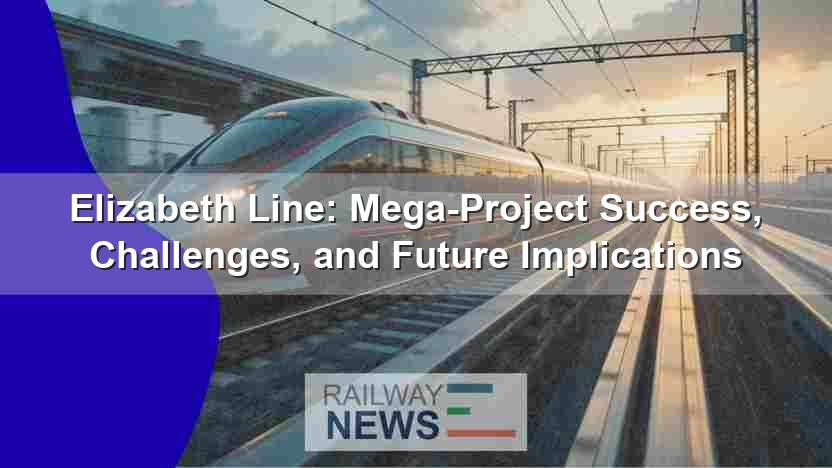
The opening of the Elizabeth line (Crossrail) in London marks a significant milestone in urban rail development, offering valuable insights into mega-project management, technological innovation, and sustainable transportation solutions. This article explores the key aspects of the Elizabeth line’s construction, operation, and its broader impact on London’s transport network and the UK economy. We will examine the project’s challenges, its technological advancements, and its contribution towards a more sustainable and efficient public transportation system. The significant cost overruns and delays experienced during construction will also be analyzed, providing crucial lessons for future large-scale infrastructure projects. Finally, we will assess the line’s long-term economic and social benefits, focusing on its impact on passenger numbers, job creation, and urban regeneration.
Mega-Project Management and Cost Overruns
The Elizabeth line, initially budgeted at £14.8 billion, ultimately cost £19 billion and faced a 3.5-year delay. This highlights the inherent complexities of managing such large-scale infrastructure projects. Factors contributing to the cost overrun likely include unforeseen ground conditions requiring extensive and costly mitigation measures, unforeseen engineering challenges during construction in a densely populated urban environment, and the difficulties coordinating the numerous contractors and stakeholders involved. Detailed post-project analysis is crucial to identify specific areas for improvement in future mega-project planning and execution, focusing on more robust risk assessment, contingency planning, and improved communication and coordination among all participants. This includes a thorough review of the initial cost estimates and their accuracy in reflecting the eventual scope and complexity of the project.
Technological Advancements and Operational Efficiency
The Elizabeth line showcases significant technological advancements in railway engineering and operation. The use of Alstom’s Class 345 Aventra trains, manufactured in Derby, signifies a commitment to modern rolling stock designed for high-capacity, high-frequency operations. The trains’ design, including accessibility features, reflects a focus on passenger comfort and experience. The centralized train control system, a key component of modern railway operations, enhances safety and efficiency by allowing for optimized train scheduling and reduced delays. The line also benefits from its nine new step-free stations, improving accessibility for passengers with disabilities.
Sustainability and Environmental Impact
The Elizabeth line’s reliance on electric locomotives significantly reduces its carbon footprint compared to diesel-powered alternatives, contributing to London’s broader sustainability goals. However, a detailed lifecycle assessment of the line’s environmental impact is needed, considering factors such as energy consumption during construction and operation, materials used in construction, and the potential impact on surrounding ecosystems. Future railway projects should incorporate such analyses from the outset to prioritize environmentally friendly design and construction methods.
Economic and Social Benefits
The Elizabeth line is expected to significantly boost London’s economy, adding billions of pounds and providing new journey options, supporting wider regeneration efforts, and stimulating job creation and business opportunities. The projected 200 million annual passenger count demonstrates the potential to alleviate congestion on existing transport networks and improve accessibility across the capital and the South East. The integration of the line with other transport modes adds to its effectiveness, providing seamless connectivity and contributing to a more efficient and integrated transport system.
Conclusion
The Elizabeth line’s opening represents a major achievement in urban rail development, demonstrating the potential of large-scale infrastructure projects to transform cities and boost economic growth. However, the project’s cost overruns and delays underscore the challenges inherent in managing such complex endeavors. Careful planning, robust risk assessment, and effective collaboration among stakeholders are crucial for ensuring the successful delivery of future projects. The line’s adoption of modern technologies, commitment to sustainability, and positive economic and social impact provides a valuable case study for future urban rail developments globally. The lessons learned from the Elizabeth line’s planning, construction, and operation will be invaluable in informing future rail infrastructure initiatives, not just in the UK, but internationally. Further analysis of the project’s long-term impacts on passenger behavior, economic activity, and environmental sustainability is crucial to fully understand its legacy and inform future transport planning. The success of the Elizabeth line should inspire similar ambitious projects worldwide, but with a renewed focus on proactive risk management and efficient resource allocation. The Office of Rail and Road’s (ORR) approval highlights the importance of rigorous regulatory oversight in ensuring the safety and effectiveness of these vital transport links.

Railway infrastructure, rolling stock and transport technologies specialist focused on global rail industry developments, high-speed rail systems, signaling technologies and freight transportation. Covering railway investments, public transport modernization, rail operations and international mobility projects across Europe, Asia and North America.
RELATED POSTS

September 5, 2026 4:19 pm
CPK launched formal tender talks with four consortia to design...

September 5, 2026 7:14 pm
HS2 Ltd signed renegotiated civils contracts with EKFB and Align...

September 6, 2026 4:12 am
Alstom delivered the first of 100 new G Class trams...

September 6, 2026 8:17 am
DB InfraGO reopened the Nuremberg-Regensburg line in Bavaria on 31...
September 5, 2026 6:17 pm
Universal Signalling won a deal to install its U-Cross system...
September 6, 2026 12:20 pm
Indian Railways ordered a probe after a fire destroyed 2...