
Chennai Metro’s Driverless Future: Alstom’s Role
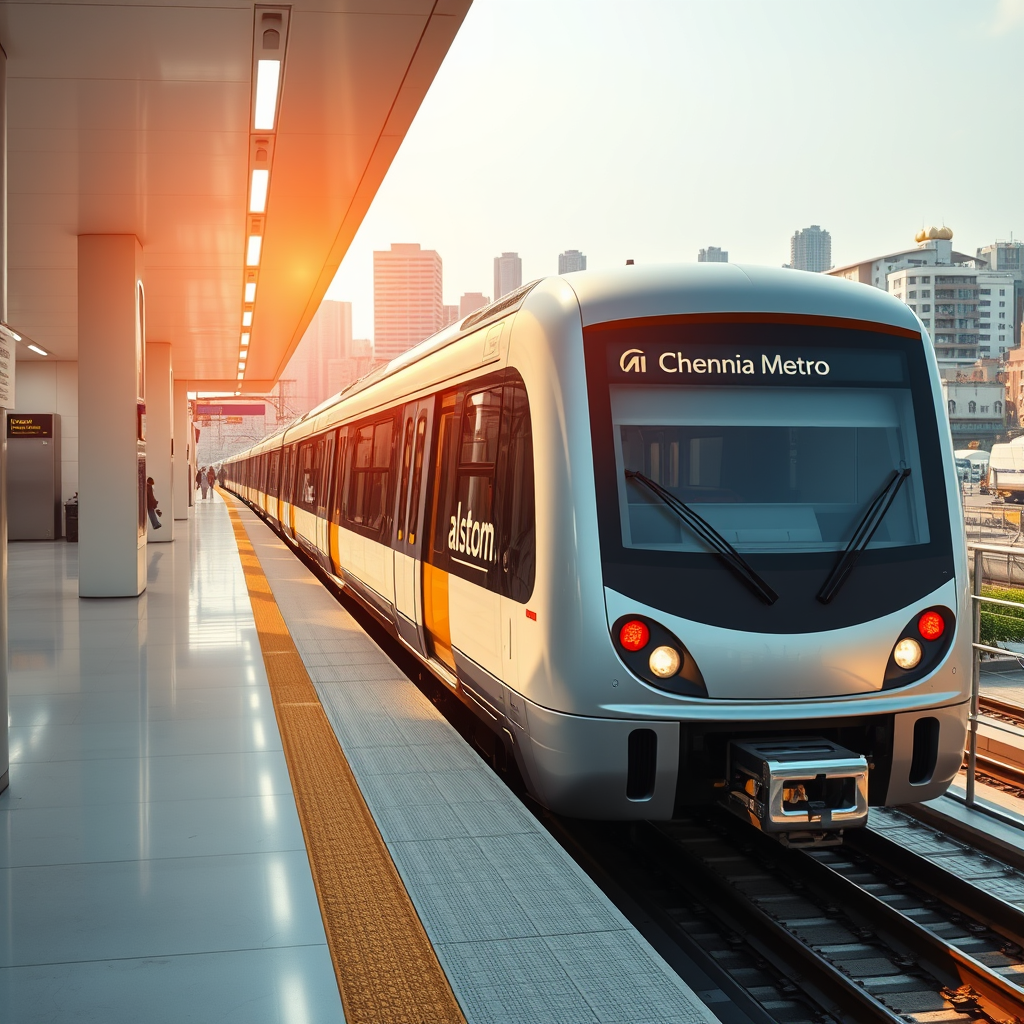
Alstom’s delivery of driverless trainsets for Chennai Metro Phase II represents a technological advancement in urban rail technology, showcasing India’s commitment to sustainable and efficient mass transit solutions through local manufacturing expertise.
Introduction
This article examines the significant contribution of Alstom, a leading French rolling stock manufacturer, to the expansion and modernization of Chennai’s metro rail system (CMRL). Specifically, we will delve into the recent delivery of the first driverless trainset for Chennai Metro Phase II, highlighting the technological advancements, economic impact, and broader implications for sustainable urban transportation in India. The project, a significant milestone in India’s “Make in India” initiative, showcases the successful collaboration between international expertise and local manufacturing capabilities. We will explore the technical specifications of these innovative trains, the strategic partnerships involved, and the long-term benefits for Chennai’s commuters and the environment. Additionally, the article will analyze the broader context of this development within the larger landscape of India’s evolving railway infrastructure and its commitment to sustainable, efficient mass transit solutions. The implications extend beyond Chennai, offering valuable insights into the future of urban mobility in rapidly developing economies worldwide.
Alstom’s Contribution to Chennai Metro Phase II
Alstom’s involvement in the Chennai Metro project extends back to 2010, when they secured a contract for Phase I, delivering 208 metro cars. The current project, valued at €124 million ($134.4 million), marks a significant expansion with the delivery of 36 driverless trainsets (each comprising three cars) for Phase II. This initiative focuses on a 26 km corridor connecting Poonamallee Bypass to Light House, incorporating 28 stations. The trains, designed and engineered in Bangalore, exemplify the “Make in India” initiative by being entirely manufactured in Alstom’s Sricity facility in Andhra Pradesh. This local production not only boosts the Indian economy but also fosters the development of local expertise in advanced railway technology.
Technological Advancements in Driverless Trainsets
The new trainsets represent a significant leap forward in metro technology. Equipped with Automatic Train Operation (ATO) and Automatic Train Protection (ATP) systems, they operate autonomously at the highest grade of automation (GOA 4). This eliminates the need for drivers, enhancing efficiency and potentially reducing operational costs. Additionally, the integration of regenerative braking systems contributes significantly to energy savings, reducing the environmental impact of the metro system and promoting a greener commuting option. These technological features underscore Alstom’s commitment to providing cutting-edge, sustainable transportation solutions.
Economic and Societal Impact
The Chennai Metro expansion, facilitated by Alstom’s contribution, offers significant economic benefits. The project creates jobs, both directly in manufacturing and indirectly through related industries. The improved public transportation system reduces traffic congestion, improving commute times and boosting productivity. The enhanced connectivity stimulates economic activity within the city and its surrounding areas. The environmental benefits, achieved through energy-efficient trains, contribute to a healthier urban environment and align with global sustainability goals. The project represents a successful model of public-private partnership, leveraging international expertise to advance national infrastructure development.
Conclusions
The delivery of Alstom’s first driverless trainset for Chennai Metro Phase II signifies a remarkable achievement in India’s urban transportation sector. This project showcases the successful integration of advanced technology, local manufacturing capabilities, and international expertise. The “Make in India” initiative is effectively demonstrated through the design and engineering in Bangalore and the manufacturing in Alstom’s Sricity facility. The deployment of GOA 4 driverless technology, featuring ATO and ATP systems, marks a significant step towards efficient and safe mass transit. The incorporation of regenerative braking further contributes to sustainability goals by reducing energy consumption and emissions. Beyond the immediate benefits for Chennai, this project serves as a model for other developing nations seeking to modernize their urban transportation systems. The economic impact is substantial, creating jobs and stimulating economic activity. The improved connectivity and reduced congestion translate into enhanced productivity and quality of life for Chennai’s residents. Alstom’s continued partnership with CMRL underscores the commitment to sustainable urban development and reflects a positive trend in leveraging global expertise to achieve national infrastructure goals. The success of this project reinforces the potential of public-private partnerships in driving innovation and sustainable growth in the rapidly evolving landscape of global urban transportation.

Railway infrastructure, rolling stock and transport technologies specialist focused on global rail industry developments, high-speed rail systems, signaling technologies and freight transportation. Covering railway investments, public transport modernization, rail operations and international mobility projects across Europe, Asia and North America.
RELATED POSTS

October 8, 2026 1:15 pm
Alstom secured a €1bn contract to build 13 automated trains,...

October 1, 2026 7:09 am
United States regulators confirmed a September 30 deadline for the...

October 8, 2026 12:18 pm
Siemens Mobility signed an agreement with VinSpeed to supply 350...

October 4, 2026 5:14 pm
Alstom secured a CA$4.7 billion order from VIA Rail Canada...

October 5, 2026 6:12 pm
AECOM and Jacobs secured a contract in September 2026 to...

October 4, 2026 11:08 pm
Sound Transit confirmed the September 30 opening of Seattle Pinehurst...