
TransPennine Express: Make Journeys Better Plan
The “Make Journeys Better” program by TransPennine Express outlines a comprehensive restructuring plan to address past operational challenges, focusing on stabilization, re-engagement, and transformation phases aimed at restoring passenger confidence and service reliability across TPE’s network.
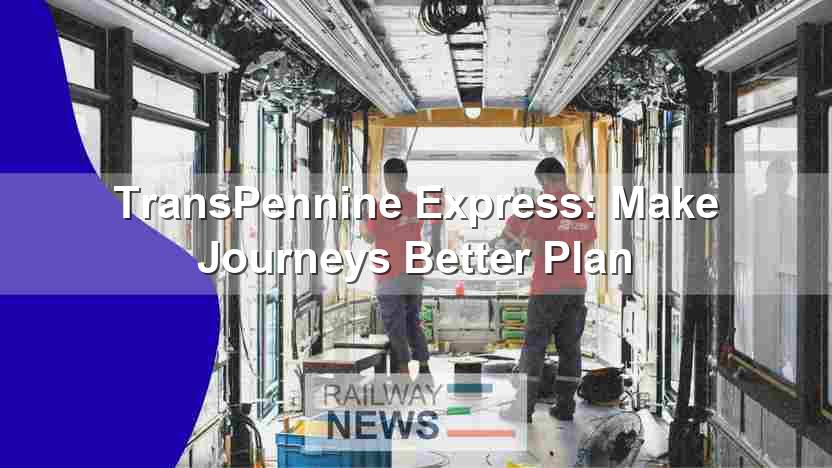
The recent takeover of TransPennine Express (TPE) by the Operator of Last Resort (OLR) in May 2023, following a period of significant operational challenges, necessitates a detailed restructuring plan to restore passenger confidence and service reliability. This article examines the ambitious “Make Journeys Better” program outlined by TPE’s newly appointed managing director, Chris Jackson. The plan, structured across three distinct phases – stabilisation, re-engagement, and transformation – aims to address underlying issues contributing to past service disruptions. The following analysis explores the key elements of this plan, exploring its strategic objectives, operational improvements, and long-term implications for TPE’s network and its passengers. The success of this program will be crucial not only for TPE but also for the broader UK rail network, demonstrating the potential for recovery and improved service delivery even after periods of significant operational difficulty.
Stabilization: Laying the Foundation for Improvement (2024)
The initial phase, focusing on stabilization through December 2024, prioritizes immediate improvements to service reliability and punctuality. This involves the implementation of revised timetables designed to optimize resource allocation and minimize delays. A key component is the refurbishment of the existing train fleet, enhancing passenger comfort and addressing maintenance issues that have historically contributed to cancellations. Additionally, the program aims to restore the full seating capacity of TPE services, addressing previous issues of overcrowding. This phase demonstrates a commitment to addressing immediate concerns, providing a tangible improvement in service quality that builds passenger trust.
Re-engagement: Restoring Passenger Confidence (2025-2027)
Building upon the gains achieved during the stabilization phase, the re-engagement phase (December 2024 – December 2027) aims to actively rebuild relationships with passengers and stakeholders. This includes strengthening communication channels to proactively address passenger concerns and provide transparent updates on service performance. The program also highlights improvements in key stations, enhancing the overall passenger experience. Improved communication and proactive engagement are essential for restoring public confidence in TPE services. The successful completion of this phase will be reflected in increased ridership and improved customer satisfaction scores.
Transformation: Investing in Long-Term Sustainability (2028-2032)
The final phase, transformation (December 2027 – December 2032), focuses on long-term sustainable improvements. This encompasses strategic collaborations, such as participation in the TransPennine Route Upgrade (TPU), a significant infrastructure investment to enhance the capacity and efficiency of the rail network. Integration with broader network improvements is essential for securing TPE’s long-term viability and ensuring its services align with wider rail modernization efforts. This phase demonstrates a long-term vision that moves beyond immediate service recovery to active participation in the future of the rail network.
Addressing Past Challenges and Securing Future Success
The “Make Journeys Better” program represents a significant undertaking for TPE, aiming to overcome the challenges that led to its previous operational difficulties. The program’s three-phased approach allows for a structured and strategic approach, addressing immediate concerns while simultaneously laying the groundwork for long-term sustainability. The 40% reduction in cancellations already achieved demonstrates the effectiveness of early initiatives. The focus on rebuilding relationships with trade unions and resolving local disputes is crucial for creating a stable operational environment. Successfully completing this ambitious program requires sustained commitment to operational excellence, effective communication with passengers, and strategic collaboration with infrastructure developers. The program’s success will not only restore TPE’s reputation but also serve as a model for other rail operators facing similar challenges, showcasing the potential for transformative change within the rail industry. The integration of the TPE’s plan with major infrastructure projects, such as the TPU, underscores the commitment to a holistic approach. This synergistic approach ensures that TPE’s improvements are not isolated but contribute to a wider enhancement of the rail network’s overall efficiency and capacity. The ultimate success of this ambitious plan will be measured not just by improved punctuality and reduced cancellations, but also by the restoration of passenger confidence and the establishment of TPE as a reliable and efficient rail operator.

Railway infrastructure, rolling stock and transport technologies specialist focused on global rail industry developments, high-speed rail systems, signaling technologies and freight transportation. Covering railway investments, public transport modernization, rail operations and international mobility projects across Europe, Asia and North America.
RELATED POSTS

October 8, 2026 1:15 pm
Alstom secured a €1bn contract to build 13 automated trains,...

October 1, 2026 7:09 am
United States regulators confirmed a September 30 deadline for the...

October 8, 2026 12:18 pm
Siemens Mobility signed an agreement with VinSpeed to supply 350...

October 4, 2026 5:14 pm
Alstom secured a CA$4.7 billion order from VIA Rail Canada...

October 1, 2026 12:13 am
Illinois approved $1.5 billion annually for the Northern Illinois Transit...

October 5, 2026 6:12 pm
AECOM and Jacobs secured a contract in September 2026 to...