
WMATA Metro Upgrades: ATO Boosts Efficiency, Safety
The Washington Metropolitan Area Transit Authority (WMATA) has expanded its Automatic Train Operation (ATO) system to the Green and Yellow lines, marking a significant step in modernizing urban rail transport by enhancing operational efficiency and improving passenger experience while maintaining safety.
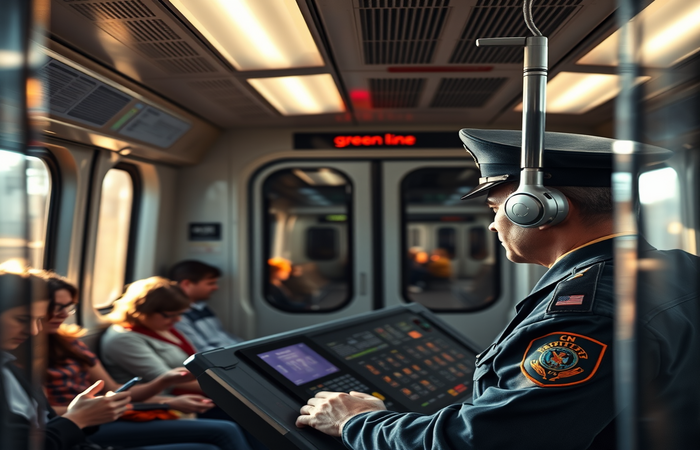
The following news article is about the implementation of Automatic Train Operation (ATO) by the Washington Metropolitan Area Transit Authority (WMATA). This technology automates certain aspects of train control, such as acceleration, deceleration, and speed regulation, while still maintaining human oversight. The article explores the rollout of ATO on the Green and Yellow lines, building upon the prior success of its implementation on the Red Line. We will delve into the operational benefits, safety considerations, and overall impact of ATO on the Washington D.C. metro system. The primary objective is to analyze how this technology improves efficiency and passenger experience within the constraints of operational safety.
Washington, D.C. – May 24, 2024
Enhancing Efficiency: The Rollout of Automatic Train Operation (ATO) on the Washington Metro
The Washington Metropolitan Area Transit Authority (WMATA) has expanded its Automatic Train Operation (ATO) system to the Green and Yellow lines, marking a significant step in its modernization efforts. Following the successful implementation on the Red Line in December 2023, this expansion promises to enhance operational efficiency and improve the overall passenger experience. This initiative represents a strategic move towards incorporating advanced technologies to optimize the performance of the transit system and address some of the challenges associated with urban rail transport.
Chapter 1: Understanding Automatic Train Operation (ATO)
Automatic Train Operation (ATO) is a sophisticated control system designed to automate specific aspects of train operation, primarily speed regulation and station stopping. In the WMATA system, ATO assumes control of acceleration, deceleration, and maintaining the train’s speed, guided by pre-programmed operational profiles and real-time data from trackside signaling equipment. Despite automation, human operators remain in the cab, ensuring passenger safety and managing critical aspects like door control and monitoring the train environment. This hybrid approach combines the advantages of automation with the expertise and situational awareness of trained professionals. Key components of ATO include on-board computers, sensors, and communication systems that interact with trackside infrastructure to ensure safe and efficient train movements. This system allows for more precise speed control and optimized travel times.
Chapter 2: Operational Benefits and Implementation Strategy
The adoption of ATO across the WMATA network yields several key benefits. The primary advantage is enhanced operational efficiency. By automating speed control, ATO reduces variations in train performance caused by human factors, resulting in smoother rides and more consistent headways (the time interval between trains). The Red Line’s initial implementation already demonstrated the potential, with an estimated reduction in end-to-end travel times. Additionally, ATO contributes to energy savings by optimizing acceleration and braking patterns, reducing overall power consumption. The implementation strategy prioritizes safety and gradual integration. WMATA has conducted extensive testing and training to ensure a seamless transition, with operators receiving thorough training on ATO systems and emergency protocols. This phased approach ensures that operators are comfortable and well-prepared to handle the new technology. As mentioned earlier, ATO is not utilized during inclement weather, single-tracking operations, or when workers are on the tracks, emphasizing safety.
Chapter 3: Safety and Human Oversight
Safety remains the paramount concern in the deployment of ATO. The system is designed with multiple layers of safety mechanisms to mitigate potential risks. Crucially, human operators retain a critical role, maintaining full responsibility for passenger safety. Operators monitor track conditions, identify potential hazards, and manage door operations. In the event of an emergency or system malfunction, operators can immediately override the ATO system, taking manual control of the train. This blend of automation and human oversight is designed to minimize the risk of accidents while maximizing efficiency. WMATA’s commitment to rigorous testing and ongoing monitoring is also fundamental to ensuring safe operation. The ATO system constantly monitors train speed and position, and if a potential hazard is detected, the system will automatically apply the brakes, or alert the operator.
Chapter 4: Future Implications and Passenger Experience
The expansion of ATO across the Green and Yellow lines represents a pivotal step toward a more modernized and efficient metro system. This initiative aims to improve the overall passenger experience by reducing travel times, enhancing ride comfort, and improving the punctuality of train services. This is particularly important in a busy urban environment where commuters depend on the metro for efficient transportation. The data gathered during these initial phases will provide invaluable insights for ongoing improvements and potential expansion to the remaining lines in the WMATA network. Additionally, the success of the ATO project serves as a model for other transit systems looking to modernize their operations. WMATA’s experience provides a valuable case study, highlighting the benefits and challenges associated with the adoption of advanced train control technologies.
Conclusion
The deployment of Automatic Train Operation (ATO) on the Green and Yellow lines of the Washington D.C. metro system represents a significant achievement in the modernization of the rail network. Building upon the successful implementation on the Red Line, this expansion is designed to improve operational efficiency, reduce travel times, and enhance the overall passenger experience. The core advantages of ATO, including optimized speed control and energy efficiency, are now available on a greater portion of the WMATA network, signifying a strategic investment in advanced rail technologies. Safety remains the foremost priority, with human operators retaining responsibility for passenger well-being and the ability to override the automated system if needed. The hybrid approach ensures that operators can adapt to dynamic situations while the automated system ensures smooth performance in normal operating conditions. The future implications are promising, with the potential for further expansion to the remaining lines, leading to additional enhancements in overall operational efficiency and passenger satisfaction. The lessons learned from this rollout will be invaluable as other transit systems around the globe look to enhance the efficiency of their operations with new technologies, with WMATA providing a real-world model for successful implementation. This project also serves as a foundation for potential future advancements such as automated passenger information systems and further refinement of the overall passenger travel experience.
Company Summary:
- Washington Metropolitan Area Transit Authority (WMATA): WMATA is the regional public transit authority that operates the Washington D.C. metro system, the primary provider of rail and bus transportation in the Washington, D.C. metropolitan area. It is responsible for the maintenance, operation, and expansion of the rail lines and bus routes that serve the region.

Railway infrastructure, rolling stock and transport technologies specialist focused on global rail industry developments, high-speed rail systems, signaling technologies and freight transportation. Covering railway investments, public transport modernization, rail operations and international mobility projects across Europe, Asia and North America.
RELATED POSTS

October 1, 2026 7:09 am
United States regulators confirmed a September 30 deadline for the...

October 8, 2026 1:15 pm
Alstom secured a €1bn contract to build 13 automated trains,...

October 4, 2026 5:14 pm
Alstom secured a CA$4.7 billion order from VIA Rail Canada...

October 8, 2026 12:18 pm
Siemens Mobility signed an agreement with VinSpeed to supply 350...

October 5, 2026 6:12 pm
AECOM and Jacobs secured a contract in September 2026 to...

October 4, 2026 11:08 pm
Sound Transit confirmed the September 30 opening of Seattle Pinehurst...