
West Midlands Metro Expansion: A Modern Tram Network Case Study
The £295m expansion of the West Midlands Metro tram network in the UK addresses historical under-servicing through a significant investment aimed at revitalizing communities and improving public transport infrastructure in the Black Country, with Phase 1 extending services from Wednesbury to Dudley Town Centre scheduled for passenger service launch by late 2025.
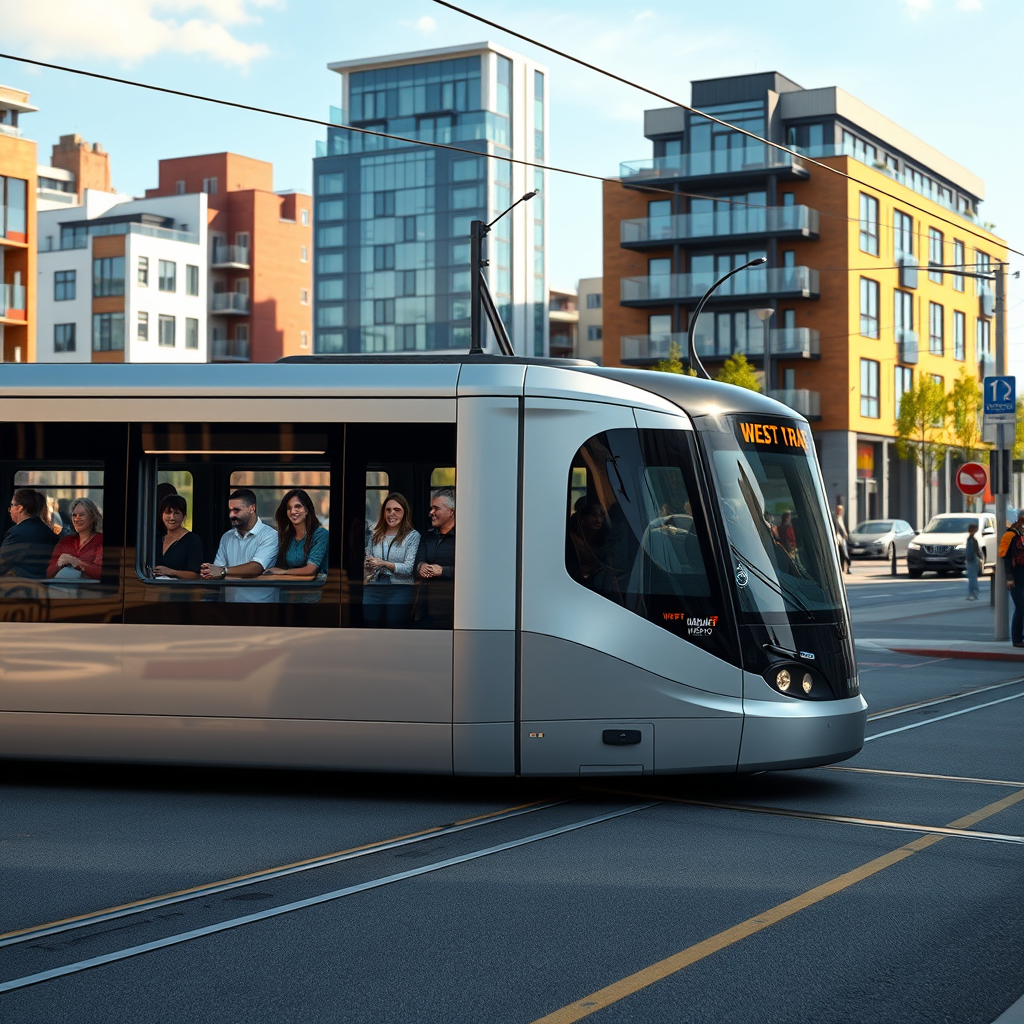
This article examines the £295m ($367.1m) expansion of the West Midlands Metro (WMM) tram network in the UK, focusing on its engineering challenges, economic impact, and contribution to sustainable transportation. The project, funded by the government’s £1.05bn ($1.30bn) City Region Sustainable Transport Settlement (CRSTS), represents a significant investment in improving public transport infrastructure in the Black Country. The expansion, extending services from Wednesbury to Brierley Hill, addresses the historical under-servicing of this area and aims to stimulate economic growth by improving connectivity. We will analyze the project’s phases, technological advancements, and overall significance within the broader context of sustainable urban transport planning. This expansion is not merely an addition to the existing network; it’s a strategic investment aimed at revitalizing communities and improving the quality of life for residents.
Phase 1: Wednesbury to Dudley Town Centre
The initial phase of the project, currently underway, involves extending the tram line from Wednesbury to Dudley town centre. This section is scheduled for passenger service launch by late 2025. This phase involves significant civil engineering works, including track laying, overhead line system (OHLS) installation, and the construction of new tram stops. Successful completion of this phase is critical for building momentum and demonstrating the project’s viability before proceeding to subsequent phases.
Phase 2: Dudley Town Centre to Brierley Hill
The second phase will extend the line further to Brierley Hill, marking the first time tram services will connect these areas. This section presents a unique set of challenges, potentially including navigating complex urban environments and integrating with existing infrastructure. Careful planning and execution will be essential to minimize disruption to businesses and residents along the route. The integration of Intelligent Transportation Systems (ITS) – technologies that optimize traffic flow, improve safety, and enhance passenger information – is expected to be crucial in managing the increased traffic capacity.
Economic and Social Impact
The WMM extension is expected to have significant economic and social benefits. Improved transport links will reduce travel times by up to 30% compared to bus travel, particularly during peak hours. This improved accessibility will have a positive impact on businesses located along the route, including those in Cinder Bank, Pedmore Road, and the Waterfront Business Park. Moreover, the improved public transport will increase access to employment opportunities and educational facilities for residents in the Black Country, contributing to improved quality of life and reduced regional disparities. The project’s creation of jobs during construction and operation will also further bolster the local economy.
Technological Advancements and Sustainability
The WMM expansion incorporates modern railway technologies. The use of trams, as opposed to traditional heavy rail, contributes to the project’s sustainability credentials. Trams are generally more energy-efficient than buses, and their operation in urban environments reduces reliance on private vehicles, decreasing carbon emissions. The integration of ITS is expected to further enhance operational efficiency and sustainability through optimized traffic management. Additionally, the project’s design considers accessibility requirements for people with disabilities, making it a more inclusive transport solution.
Conclusions
The West Midlands Metro extension represents a substantial investment in modernizing and expanding public transport infrastructure in the UK. The project, divided into phases for manageable implementation, addresses long-standing issues of inadequate public transport access in the Black Country. The initial phase, currently under construction, will connect Wednesbury to Dudley town centre by late 2025, laying the groundwork for the eventual extension to Brierley Hill. This ambitious undertaking offers substantial economic benefits through enhanced connectivity, accessibility, and the creation of jobs. The project’s integration of advanced technologies and commitment to sustainability make it a model for future urban transport development. Beyond its immediate impact on the Black Country, the WMM expansion serves as a compelling case study for other regions facing similar challenges related to inadequate public transportation infrastructure, demonstrating the potential of well-planned and executed projects to transform communities and spur economic growth. The success of this project hinges on effective project management, successful integration of various technologies, and a commitment to meeting the needs of all stakeholders. Its completion will not only improve transportation but also contribute to a more sustainable and prosperous future for the region. The timely completion and successful operation of the WMM expansion will serve as a testament to the potential of thoughtful infrastructure investment to revitalize communities and positively impact the economic and social well-being of its residents.

Railway infrastructure, rolling stock and transport technologies specialist focused on global rail industry developments, high-speed rail systems, signaling technologies and freight transportation. Covering railway investments, public transport modernization, rail operations and international mobility projects across Europe, Asia and North America.
RELATED POSTS

October 8, 2026 1:15 pm
Alstom secured a €1bn contract to build 13 automated trains,...

October 1, 2026 7:09 am
United States regulators confirmed a September 30 deadline for the...

October 4, 2026 5:14 pm
Alstom secured a CA$4.7 billion order from VIA Rail Canada...

October 8, 2026 12:18 pm
Siemens Mobility signed an agreement with VinSpeed to supply 350...

October 5, 2026 6:12 pm
AECOM and Jacobs secured a contract in September 2026 to...

October 4, 2026 11:08 pm
Sound Transit confirmed the September 30 opening of Seattle Pinehurst...