
WA Rail Renationalization: Economic Benefits & Challenges
The Western Australian state government’s decision to repurchase its freight rail network highlights a debate over optimal ownership models for infrastructure, weighing private sector efficiency against public control for achieving economic goals.
Introduction
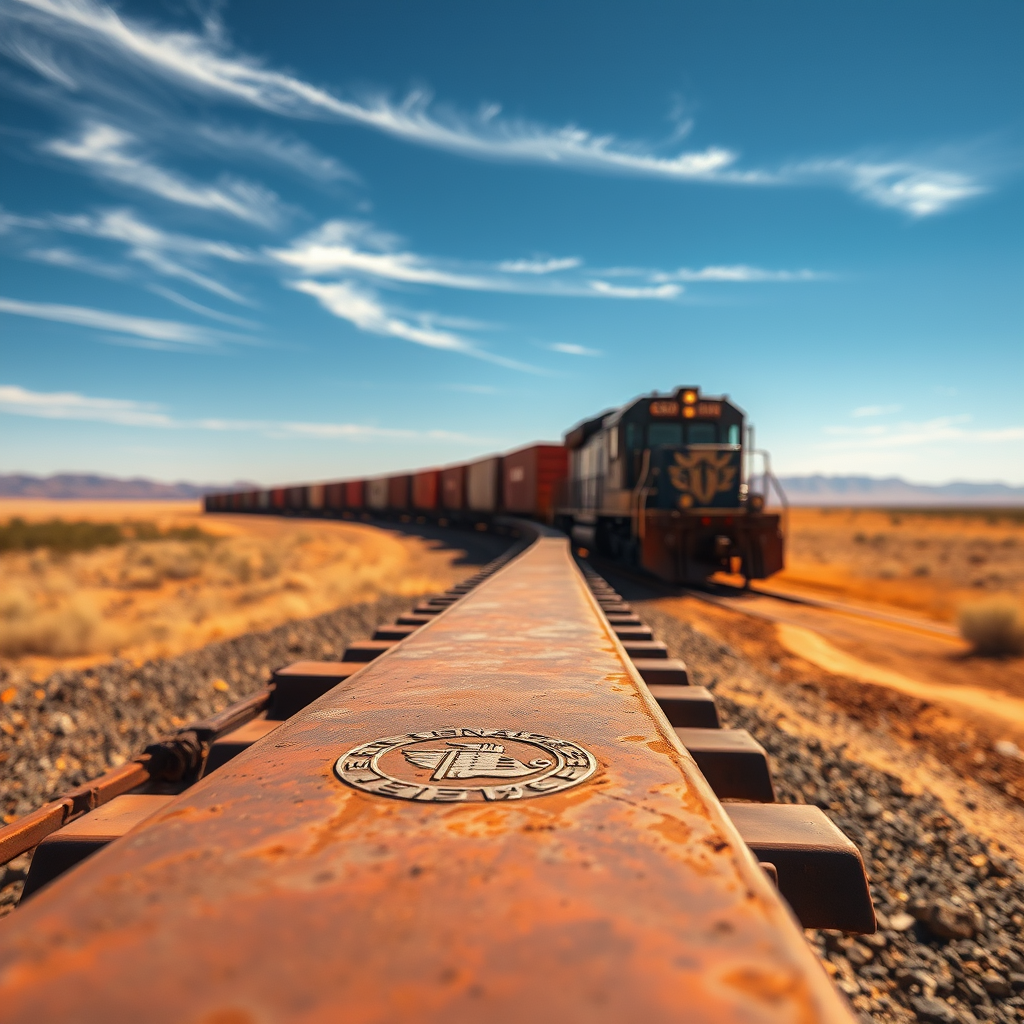
This article examines the Western Australian state government’s decision to pursue the repurchase of its freight rail network, currently under private operation. For nearly 25 years, the network has operated under a 49-year lease granted in 2000, a privatization initiative that has now been deemed insufficient to meet the state’s evolving economic needs. The government’s rationale centers on addressing the limitations imposed by private management, particularly concerning support for key industries reliant on rail transport such as agriculture and burgeoning resource sectors. This decision highlights a broader debate within the transportation industry regarding the optimal ownership and management models for rail infrastructure, weighing the benefits of private sector efficiency against the potential for greater public control in achieving strategic economic goals. The subsequent sections will detail the motivations behind this decision, the potential benefits and challenges of renationalization, and the broader implications for Western Australia’s economic development and regional connectivity.
The Limitations of Privatization
The privatization of Western Australia’s freight rail network in 2000, while initially perceived as a way to improve efficiency, has revealed limitations over time. The current operator, Arc Infrastructure, has been operating under a 49-year lease agreement, which the government now contends has proven inadequate in supporting the demands of key economic sectors. The government argues that the private model hasn’t prioritized investments necessary for expanding capacity to meet the growing needs of agriculture and resource extraction industries, resulting in underutilized rail infrastructure and increased reliance on road transport. This not only creates inefficiencies but also exacerbates road congestion, impacting regional communities and potentially hindering economic growth. The state government asserts that public ownership is needed to better align rail infrastructure development with the overall strategic economic planning of the state.
Strategic Economic Objectives and Public Ownership
The government’s decision is directly linked to its broader economic diversification strategy. By regaining control of the freight rail network, the government aims to stimulate economic growth in several key sectors. The increased rail capacity resulting from strategic investments will be crucial in supporting the transport of agricultural goods and commodities from new resource projects. This will reduce transport costs, enhance supply chain efficiency, and facilitate increased export capacity. Moreover, public ownership allows the government to directly incorporate environmental considerations, prioritizing sustainable transport solutions and reducing the carbon footprint associated with freight transport. This aligns with the state’s broader commitment to environmental sustainability and responsible resource management.
Expected Benefits and Challenges of Repurchase
The transition back to public ownership is projected to deliver substantial benefits for Western Australia. These include improved regional connectivity, stimulating regional economic activity through enhanced freight transport access, and creating job opportunities associated with infrastructure upgrades and increased rail operations. Moreover, shifting freight from road to rail will enhance road safety, reduce traffic congestion on major highways, and lessen the environmental impact of heavy vehicle transport. However, the repurchase process will present significant challenges. Negotiations with Arc Infrastructure will be complex, requiring careful financial and legal analysis to determine a fair market value for the repurchase and addressing potential contractual obligations. The government will also need to develop a detailed plan for managing and investing in the rail network sustainably ensuring long-term operational efficiency and financial stability. Efficient management and transparent public accountability will be crucial to ensure that public funds are utilized effectively and that the intended benefits are realized.
Conclusions
The Western Australian government’s initiative to reclaim control of its freight rail network marks a significant policy shift. The decision to repurchase the network after nearly two and a half decades of private management underscores the limitations of the privatization model in meeting the state’s evolving economic and social objectives. The government’s rationale rests on the belief that public ownership will better facilitate strategic investments, enabling improved capacity, reduced transport costs, increased efficiency, and stronger regional connectivity. The projected benefits include job creation, improved safety through reduced road traffic, and cost-effective commodity transport. While the transition will undoubtedly present challenges, including complex negotiations and the need for strategic investment planning, the expected gains outweigh the risks. Success hinges on effective negotiations with Arc Infrastructure, transparent financial management, and a clear, long-term strategy for the development and operation of the rail network. The outcome will not only influence Western Australia’s economic trajectory but also serve as a case study for other jurisdictions considering the optimal ownership and management models for rail infrastructure in the context of broader economic and social development goals. The decision underlines the importance of aligning infrastructure development with wider economic strategies, prioritizing sustainable transport solutions, and responding effectively to the evolving needs of key economic sectors. The ultimate success of this endeavor will depend on the government’s ability to effectively manage the transition, ensuring that the considerable investment yields the projected economic and social benefits for the people of Western Australia. The government’s commitment to A$200 million (approximately $141.9 million USD) in funding for regional rail freight network improvements further illustrates the prioritization of rail transport within its wider economic plan. This commitment underscores the seriousness of the government’s intentions and its belief in the long-term value of public ownership for the state’s freight rail infrastructure.

Railway infrastructure, rolling stock and transport technologies specialist focused on global rail industry developments, high-speed rail systems, signaling technologies and freight transportation. Covering railway investments, public transport modernization, rail operations and international mobility projects across Europe, Asia and North America.
RELATED POSTS

October 8, 2026 1:15 pm
Alstom secured a €1bn contract to build 13 automated trains,...

October 1, 2026 7:09 am
United States regulators confirmed a September 30 deadline for the...

October 8, 2026 12:18 pm
Siemens Mobility signed an agreement with VinSpeed to supply 350...

October 4, 2026 5:14 pm
Alstom secured a CA$4.7 billion order from VIA Rail Canada...

October 5, 2026 6:12 pm
AECOM and Jacobs secured a contract in September 2026 to...

October 4, 2026 11:08 pm
Sound Transit confirmed the September 30 opening of Seattle Pinehurst...