
voestalpine’s Hydrogen Rail: Sustainable Infrastructure Revolution
voestalpine has produced the world’s first hydrogen-based rail, marking a significant step toward sustainable steel production and reduced carbon emissions in the railway industry.
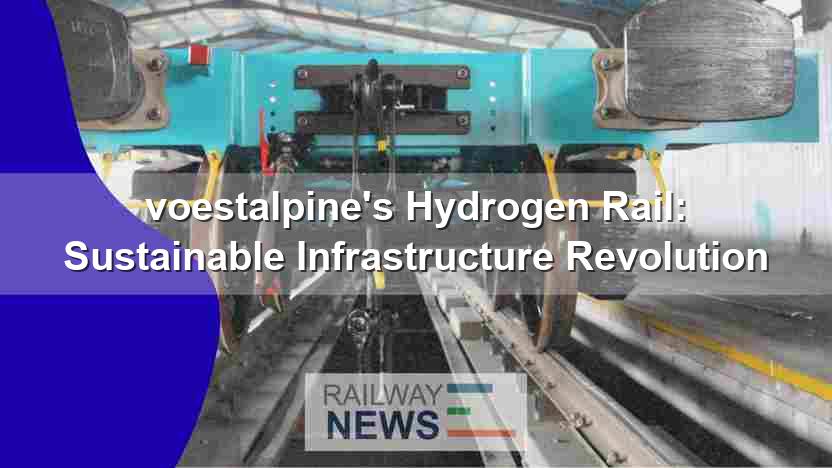
voestalpine Pioneers Sustainable Rail with World’s First Hydrogen-Based Product
In a groundbreaking move for the railway industry, voestalpine has announced the production of the world’s first hydrogen-based rail. The innovative rail, manufactured at the company’s Donawitz site in Austria, represents a significant leap toward sustainable steel production and a reduced carbon footprint. This landmark achievement, unveiled on July 30, 2025, involved a combination of scrap materials and hydrogen-reduced pure iron sourced from voestalpine’s HYFOR (Hydrogen-based Fine Ore Reduction) pilot plant, also located in Donawitz. The first “green” rail has been installed at Linz Central Station. Why is this significant? It marks a critical step in the railway industry’s transition towards net-zero emissions. How was it achieved? Using a revolutionary process that eliminates CO2 emissions. Who is leading the charge? voestalpine, a global leader in railway infrastructure. This article will delve into the technical details of this innovation, its environmental impact, and its implications for the future of railway infrastructure.
Revolutionizing Steel Production: The Hydrogen-Based Process
The cornerstone of voestalpine’s achievement lies in its hydrogen-based steel production process. This method, utilizing hydrogen – ideally sourced from renewable energy – to extract oxygen from iron ore, dramatically reduces carbon emissions. Unlike traditional steelmaking, which heavily relies on coal and generates significant CO2, this process produces only water vapor as a byproduct. The raw materials, including scrap and hydrogen-reduced iron from HYFOR, undergo melting in voestalpine’s TechMet research steelworks, before being processed into the finished rail at the neighbouring rail rolling mill. This ensures the final product, with its high hardness and wear resistance, meets the stringent standards required for railway applications. The integration of HYFOR and the TechMet research steelworks demonstrates voestalpine’s commitment to vertically integrated, sustainable manufacturing.
The Environmental Impact: Greening the Railway Track
The environmental benefits of this innovation are substantial. By significantly reducing CO2 emissions associated with steel production, voestalpine is contributing to the decarbonization of the railway sector. This aligns with the industry’s broader goals of reducing its carbon footprint and promoting sustainability. The use of “green” steel in rails will contribute to a more environmentally responsible infrastructure, lowering the overall impact of rail transport. This innovation complements ongoing efforts to utilize electric locomotives and implement heat recycling HVAC systems to improve energy efficiency in rail operations. Voestalpine’s commitment extends to a phased plan that includes putting one green-powered electric arc furnace into operation at each of their sites in Linz and Donawitz by 2027.
Technical Specifications: The Making of a Sustainable Rail
The production of the hydrogen-based rail involved several key technical aspects. The blend of scrap and hydrogen-reduced pure iron ensures that the final product maintains the necessary mechanical properties for railway applications. The HYFOR pilot plant is central to this process, serving as the source for the hydrogen-reduced iron, while the TechMet research steelworks handles the melting process and steel refinement. The subsequent rail rolling mill then shapes and finishes the product. This process uses high-quality, CO2-reduced steel, addressing one of the primary technological challenges in transitioning to green steel production. The end result is a rail that meets the performance demands of modern railways while minimizing its environmental impact. The new rails are equivalent in performance to their traditional counterparts, able to withstand the high levels of stress and wear of modern rail traffic.
Conclusion
voestalpine’s achievement represents a pivotal moment in the railway industry’s journey towards sustainability. By successfully producing the world’s first hydrogen-based rail, the company has demonstrated the feasibility of a significant reduction in carbon emissions in steel production. This pioneering work has implications beyond just rail manufacture. The technology’s adaptability opens the door to broader adoption across various sectors, driving the green transition. The company is committed to net zero CO2 emissions in steel production by 2050, which will require continued research and investment in new processes and pilot projects. The successful integration of sustainable practices within the rail industry helps position it as a key player in the effort to mitigate climate change. Voestalpine’s innovation sets a new standard for the industry, proving that high-performance infrastructure and environmental stewardship can coexist. Further advancements are expected, with voestalpine actively researching new production possibilities.
Company Summary
voestalpine is a globally active steel and technology group, specializing in steel-based product solutions. The company is a world-leading provider of complete railway infrastructure systems, including rails, switches, and signaling technology. With a focus on sustainability, voestalpine is committed to developing innovative solutions to reduce the environmental impact of its products. Its metal engineering division drives the production and development of railway infrastructure components. voestalpine’s commitment to R&D and investment in sustainability positions them as a leader in the rail sector’s sustainable evolution.

Railway infrastructure, rolling stock and transport technologies specialist focused on global rail industry developments, high-speed rail systems, signaling technologies and freight transportation. Covering railway investments, public transport modernization, rail operations and international mobility projects across Europe, Asia and North America.
RELATED POSTS

October 1, 2026 7:09 am
United States regulators confirmed a September 30 deadline for the...

October 8, 2026 1:15 pm
Alstom secured a €1bn contract to build 13 automated trains,...

October 4, 2026 5:14 pm
Alstom secured a CA$4.7 billion order from VIA Rail Canada...

October 8, 2026 12:18 pm
Siemens Mobility signed an agreement with VinSpeed to supply 350...

October 4, 2026 11:08 pm
Sound Transit confirmed the September 30 opening of Seattle Pinehurst...

October 5, 2026 6:12 pm
AECOM and Jacobs secured a contract in September 2026 to...