
Via Rail’s Fleet: Canada’s Rail Modernization
Via Rail’s fleet replacement is modernizing Canada’s railway with 32 new, accessible trains. Discover how this transformative project improves efficiency and passenger experience!
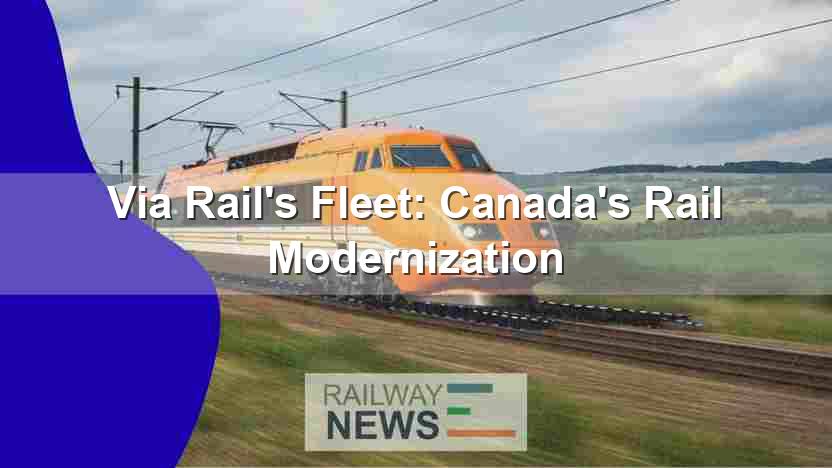
This article examines the significant undertaking by Via Rail Canada to modernize its fleet within the crucial Quebec City-Windsor Corridor. The initiative, spearheaded by substantial federal funding, signifies a commitment to enhancing passenger experience, improving operational efficiency, and promoting environmental sustainability within the Canadian railway system. This transformation involves the replacement of aging rolling stock with a fleet of 32 new, bi-directional trains, incorporating advanced technologies and accessibility features. We will explore the rationale behind this project, the procurement process, the technological advancements embedded in the new trains, and the broader implications for the future of passenger rail in Canada. The project represents not just a fleet upgrade but a strategic investment aimed at bolstering Canada’s transportation infrastructure and contributing to economic growth. This modernization addresses several key challenges facing Via Rail, including aging infrastructure, rising maintenance costs, and the need for improved passenger comfort and accessibility. The impact of this initiative extends beyond mere technological upgrades; it represents a significant step towards a more sustainable and efficient national railway network.
The Need for Fleet Replacement
Via Rail’s existing fleet in the Quebec City-Windsor Corridor had reached the end of its serviceable life. Years of operation had resulted in increased maintenance costs, reduced reliability, and a less-than-optimal passenger experience. The aging infrastructure directly impacted operational efficiency, leading to frequent delays and mechanical breakdowns. These issues not only inconvenienced passengers but also hindered Via Rail’s ability to compete effectively with other modes of transportation. The replacement is crucial not only for improved passenger service but also for the long-term viability of the rail corridor itself. The economic benefits of a reliable, efficient rail system extend to tourism, freight transport, and overall economic productivity.
The Procurement Process and Federal Funding
The procurement of the new fleet is a multi-stage process, beginning with a Request for Qualifications (RFQ) to identify qualified bidders. This is followed by a Request for Proposals (RFP) from pre-qualified suppliers, allowing for a thorough evaluation of technical specifications, pricing, and delivery timelines. The significant financial commitment from the Canadian government underscores the national importance of this project. The federal funding reflects an understanding that a modern, efficient rail system is crucial for economic growth, improved connectivity, and reduced carbon emissions. The details of the funding agreement likely involve specific performance criteria and milestones that Via Rail must meet.
Technological Advancements and Accessibility Features
The new trains represent a significant leap forward in terms of technology and accessibility. The incorporation of fuel-efficient engines will directly reduce the environmental impact of rail operations. Features designed to enhance passenger experience include improved comfort, modernized onboard amenities, and enhanced visual communication systems for hearing-impaired passengers. The inclusion of wheelchair lifts, multiple wheelchair tie-downs, and accessible washrooms demonstrates a commitment to inclusivity and accessibility for all passengers. Additionally, the use of modern technologies will allow for improved real-time monitoring of train performance, facilitating more efficient maintenance scheduling and minimizing disruptions to service.
Operational Improvements and Future Implications
The introduction of the new fleet will have a profound impact on Via Rail’s operational capabilities. Increased reliability and reduced mechanical breakdowns will contribute to a more punctual and predictable service. Improved operational flexibility will allow Via Rail to better respond to fluctuating passenger demand and optimize scheduling. Beyond the immediate improvements, this project lays the foundation for future expansion and enhancements. The experience gained from this fleet replacement will inform future procurement strategies and modernization efforts across the Via Rail network. This investment signifies a long-term commitment to upgrading Canada’s rail infrastructure, improving the national transportation network, and contributing to a more sustainable future.
Conclusion
Via Rail’s fleet replacement program, supported by significant federal funding, is a transformative initiative with far-reaching implications for Canada’s transportation sector. The replacement of aging rolling stock with modern, accessible, and fuel-efficient trains addresses critical operational challenges, enhances the passenger experience, and promotes environmental sustainability. The multi-stage procurement process ensures a rigorous evaluation of potential suppliers and prioritizes the selection of high-quality, reliable equipment. The integration of advanced technologies and accessibility features underscores a commitment to providing a safe, comfortable, and inclusive travel experience for all Canadians. Beyond the immediate benefits, this project signifies a broader commitment to modernizing Canada’s rail infrastructure, setting the stage for continued improvements and expansion in the years to come. This investment not only enhances passenger rail service but contributes to economic growth, job creation, and a more sustainable transportation future for Canada. The success of this project will be measured not only by the efficient delivery of the new fleet but also by the long-term impact on operational efficiency, passenger satisfaction, and the overall economic viability of Canada’s railway network. The future of Via Rail, and indeed the future of passenger rail in Canada, hinges on the successful implementation of this crucial modernization program.

Railway infrastructure, rolling stock and transport technologies specialist focused on global rail industry developments, high-speed rail systems, signaling technologies and freight transportation. Covering railway investments, public transport modernization, rail operations and international mobility projects across Europe, Asia and North America.
RELATED POSTS

October 1, 2026 7:09 am
United States regulators confirmed a September 30 deadline for the...

October 1, 2026 12:13 am
Illinois approved $1.5 billion annually for the Northern Illinois Transit...

October 1, 2026 6:10 am
Amtrak approved a System Expansion Committee on July 30 to...
October 1, 2026 3:12 am
Greenbrier confirmed Brian Comstock as new president and CEO effective...
October 1, 2026 4:10 am
DART launched two public ridership dashboards in March 2026 to...
October 1, 2026 5:14 am
Siemens confirmed delivery of the first new S200 train to...