
US Rail: Tariff Impact on Ports, Railways & Supply Chains
US container port cargo rebound expected, but tariffs threaten. Railway sector faces volume fluctuations.
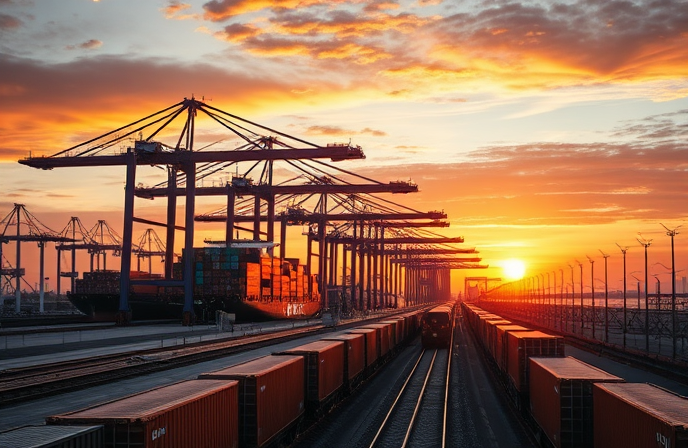
Container Port Cargo Volume Expected to Rebound, But Tariffs Cloud the Horizon
The U.S. container port industry is bracing for continued volatility as retail import cargo volume prepares for a rebound this month, after experiencing a significant downturn in late spring. This recovery, however, is likely to be short-lived, according to the latest Global Port Tracker (GPT) report, jointly released yesterday by the National Retail Federation (NRF) and Hackett Associates. The report forecasts another decline in import volumes once previously paused tariffs take effect. This ongoing uncertainty stems from the Trump administration’s recent announcements regarding tariffs, particularly the executive order signed on July 7th which delayed “reciprocal” tariffs until August 1st, while also threatening up to 40% tariffs on goods from over a dozen countries. The “what” is fluctuating import volume, the “who” is the container port industry, the “when” is this month and beyond, the “where” is major U.S. container ports, the “why” is tariff uncertainties, and the “how” is by closely monitoring trade policies. This article will delve into the specific challenges facing the sector and examine the potential impact of these tariffs on the future of supply chain management.
The Initial Downturn and Its Implications
The late spring saw a substantial drop in retail import cargo volume, primarily due to reduced consumer spending and the initial economic impacts of the COVID-19 pandemic, as lockdowns hampered port operations and disrupted supply chains. This decrease put pressure on shipping lines and port operators. However, the expected rebound suggests an improvement in consumer confidence and a partial recovery of the retail sector. The industry will be observing to what extent retailers replenish their inventories to meet growing consumer demand. Any such surge in volumes will test the infrastructure of container ports and the capacity of related rail networks, highlighting the need for efficient coordination between these crucial components of the supply chain. This downturn also illustrates the significant impact of unforeseen events and underscores the importance of resilient and adaptable logistics strategies.
The Tariff Tango: Uncertainty and Its Effects
The primary driver of the looming decline in import volume is the uncertainty surrounding tariffs. The constant fluctuation of trade policies and the potential for new or increased tariffs make long-term planning extremely difficult for businesses. Hackett Associates founder Ben Hackett emphasizes that “a flurry of tariff-related announcements from the Trump administration has only served to further increase supply chain uncertainty.” This uncertainty has created a challenging environment for the global supply chain, which thrives on predictability. The unpredictability forces businesses to delay investment, reassess sourcing strategies, and potentially increase prices, ultimately impacting consumers. Businesses are compelled to adapt to changing economic landscapes and consider alternative options that mitigate exposure to trade risk.
Impact on Railway Transportation & Infrastructure
The fluctuating import volumes directly impact railway transportation, which plays a vital role in moving cargo from ports to inland destinations. The efficient movement of containers from the ports to the distribution centers is absolutely critical, as any congestion at the ports translates into delays and increased costs for the railways. Additionally, the rail industry is responsible for the long-haul transport of imported goods, and the volume variations can put stress on infrastructure, requiring investments in increased capacity to handle potential surges. Railways must also adapt to changes in cargo distribution patterns, as businesses seek alternative routes to mitigate tariff impacts, with the potential of driving up costs by demanding specialized equipment and staff.
Looking Ahead: Strategies for Resilience
Navigating the present climate requires a multi-faceted approach. Ports, shipping lines, and railway operators need to work collaboratively to maximize efficiency and avoid bottlenecks. Investment in infrastructure, including improved rail connections and enhanced port facilities, is critical to handle the potential fluctuations in cargo volume. Businesses should proactively diversify their supply chains, explore alternative sourcing options, and build more robust risk management strategies. Additionally, businesses need to carefully watch trade policies to anticipate upcoming challenges. Finally, building strong relationships with customers and stakeholders, as well as embracing flexible and responsive strategies, will also contribute to resilience and allow them to withstand unexpected market changes.
Conclusion
The container port industry in the U.S. is facing a period of uncertainty, characterized by fluctuating import volumes and the persistent threat of new tariffs. The rebound in cargo volume this month offers a glimpse of recovery, but the looming implementation of paused tariffs threatens to reverse the progress. The effects are particularly pronounced on the railway industry, which facilitates cargo transportation throughout the country. The future for container ports and the railways heavily relies on the adoption of flexible and robust strategies to withstand disruption, and by embracing collaboration, infrastructure improvements, and proactive risk management. The ability of the industry to weather the upcoming storms depends on adaptability and foresight. The ongoing trade tensions emphasize the need for a stable and predictable trade environment to support global supply chain functionality. The coming months will be critical in determining the long-term impact of the current economic and political climate on the American shipping industry.

Railway infrastructure, rolling stock and transport technologies specialist focused on global rail industry developments, high-speed rail systems, signaling technologies and freight transportation. Covering railway investments, public transport modernization, rail operations and international mobility projects across Europe, Asia and North America.
RELATED POSTS

October 1, 2026 7:09 am
United States regulators confirmed a September 30 deadline for the...

October 8, 2026 1:15 pm
Alstom secured a €1bn contract to build 13 automated trains,...

October 4, 2026 5:14 pm
Alstom secured a CA$4.7 billion order from VIA Rail Canada...

October 1, 2026 12:13 am
Illinois approved $1.5 billion annually for the Northern Illinois Transit...

October 6, 2026 2:14 am
Union Pacific launched export rail shipments with Ferromex to deliver...

October 1, 2026 6:10 am
Amtrak approved a System Expansion Committee on July 30 to...