
UP-NS Merger: Shaping North American Rail & Infrastructure
Union Pacific and Norfolk Southern merge, creating a transcontinental US rail network, valued at $85 billion. The deal faces regulatory scrutiny.
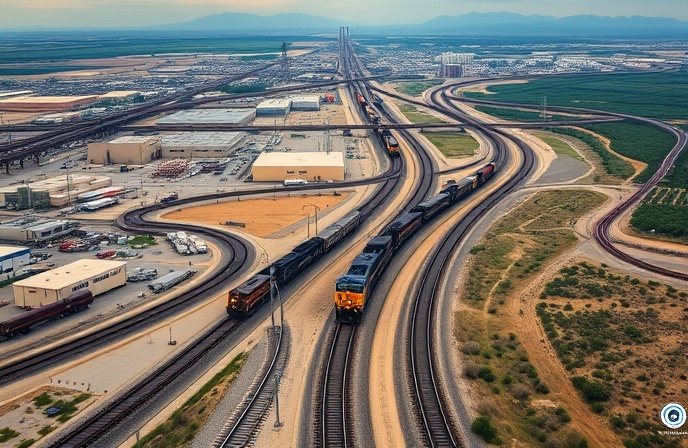
Union Pacific and Norfolk Southern Announce Landmark Merger: A Transcontinental Transformation
In a move poised to reshape the North American rail landscape, Union Pacific Railroad (UP) and Norfolk Southern Railway (NS) have announced a definitive agreement to merge. The historic deal, revealed yesterday, will see UP acquire NS in a stock and cash transaction valued at a staggering $85 billion. This strategic union, pending approvals, promises to create the first U.S. transcontinental railroad network, stretching over 50,000 miles of track. The announcement has sent ripples throughout the industry, prompting immediate reactions from analysts, shippers, and other stakeholders. This article will delve into the key aspects of the proposed merger, examine the potential impacts on the industry, and analyze the regulatory hurdles ahead.
Creating the Transcontinental Giant: The Deal’s Mechanics
The proposed merger, which would combine the assets of two of the largest Class I railroads in North America, marks a significant shift in the competitive landscape. The acquisition of NS by UP, finalized under the conditions of the agreement, involves a complex financial structure comprising both stock and cash. The $85 billion valuation reflects the substantial value of NS’s assets and market position. While the specifics of the stock and cash ratio have not been publicly released, it will be a key factor as UP seeks shareholder approval. The merger is expected to generate considerable economic benefits through economies of scale, efficiency improvements, and revenue enhancements, leading to significant cost savings for the new entity.
Synergies and Economies: Driving Efficiency and Value
A key driver of the merger is the potential for significant operational synergies. The integration of the two railroads’ networks is expected to yield approximately $2.75 billion in annualized synergies and economies. These savings are anticipated to come from various sources, including streamlined operations, reduced administrative costs, optimized routing, and enhanced utilization of rolling stock. Efficiency improvements will also be sought through harmonizing technological systems, such as Transportation Management Systems (TMS) and Positive Train Control (PTC), further improving operational performance. Additionally, the merged entity will likely have increased bargaining power with suppliers, contributing to improved procurement terms and increased profit margins.
Navigating Regulatory Hurdles: The Surface Transportation Board’s Role
The merger is subject to rigorous regulatory scrutiny, most significantly from the Surface Transportation Board (STB). The STB’s role is crucial in ensuring the merger aligns with the public interest and does not unduly harm competition. Under newer regulations governing railroad mergers, the STB will meticulously examine the UP-NS combination, with a focus on whether the union will enhance competition and benefit shippers. Independent industry analyst Tony Hatch emphasized the importance of these newer rules during an interview on the Bloomberg Surveillance Podcast. The STB will review the potential for anticompetitive effects and will also consider potential benefits, such as improved service quality and reduced congestion. The approval process is expected to be lengthy and thorough, possibly requiring modifications to the merger plan.
Industry Reactions and Future Outlook
The announcement has triggered immediate reactions across the industry. Shippers and competitors alike are closely assessing the implications for service levels, rates, and overall market dynamics. Potential impacts include changes in routing options, competition within specific lanes, and the need for existing shippers to reassess shipping strategies. While the potential for increased efficiency and network optimization is significant, concerns about reduced competition or potential service disruptions during the integration phase are also being raised. The ultimate success of the merger will depend on the combined entity’s ability to integrate operations effectively, manage regulatory challenges, and demonstrate significant benefits for both customers and shareholders.
Conclusion
The proposed merger of Union Pacific and Norfolk Southern represents a pivotal moment in the history of North American railroading. The creation of a transcontinental network promises unprecedented scale, enhanced efficiency, and new opportunities for growth. The deal’s potential to generate $2.75 billion in annualized synergies underscores the ambition of this undertaking. However, the path to realizing these benefits will be complex. The STB’s meticulous review, along with the logistical challenges of integrating two massive railroads, will test the merged entity’s capabilities. While the creation of a transcontinental rail network offers vast improvements, success is reliant upon meticulous operational integration. The industry will be watching closely to see if this monumental deal will reach its anticipated potential. As the merger progresses through the regulatory process, its implications will continue to unfold, shaping the future of freight transportation across the continent.

Railway infrastructure, rolling stock and transport technologies specialist focused on global rail industry developments, high-speed rail systems, signaling technologies and freight transportation. Covering railway investments, public transport modernization, rail operations and international mobility projects across Europe, Asia and North America.
RELATED POSTS

October 1, 2026 7:09 am
United States regulators confirmed a September 30 deadline for the...

October 8, 2026 1:15 pm
Alstom secured a €1bn contract to build 13 automated trains,...

October 4, 2026 5:14 pm
Alstom secured a CA$4.7 billion order from VIA Rail Canada...

October 1, 2026 12:13 am
Illinois approved $1.5 billion annually for the Northern Illinois Transit...
October 6, 2026 2:14 am
Union Pacific launched export rail shipments with Ferromex to deliver...

October 1, 2026 6:10 am
Amtrak approved a System Expansion Committee on July 30 to...