
UK’s First Digital Freight Loco: ETCS Milestone
The UK’s first ETCS-equipped freight locomotive retrofit successfully demonstrated the integration of advanced digital signaling technology into an existing fleet, marking a significant milestone in modernizing rail infrastructure and enhancing safety, efficiency, and capacity on the country’s mainline network.
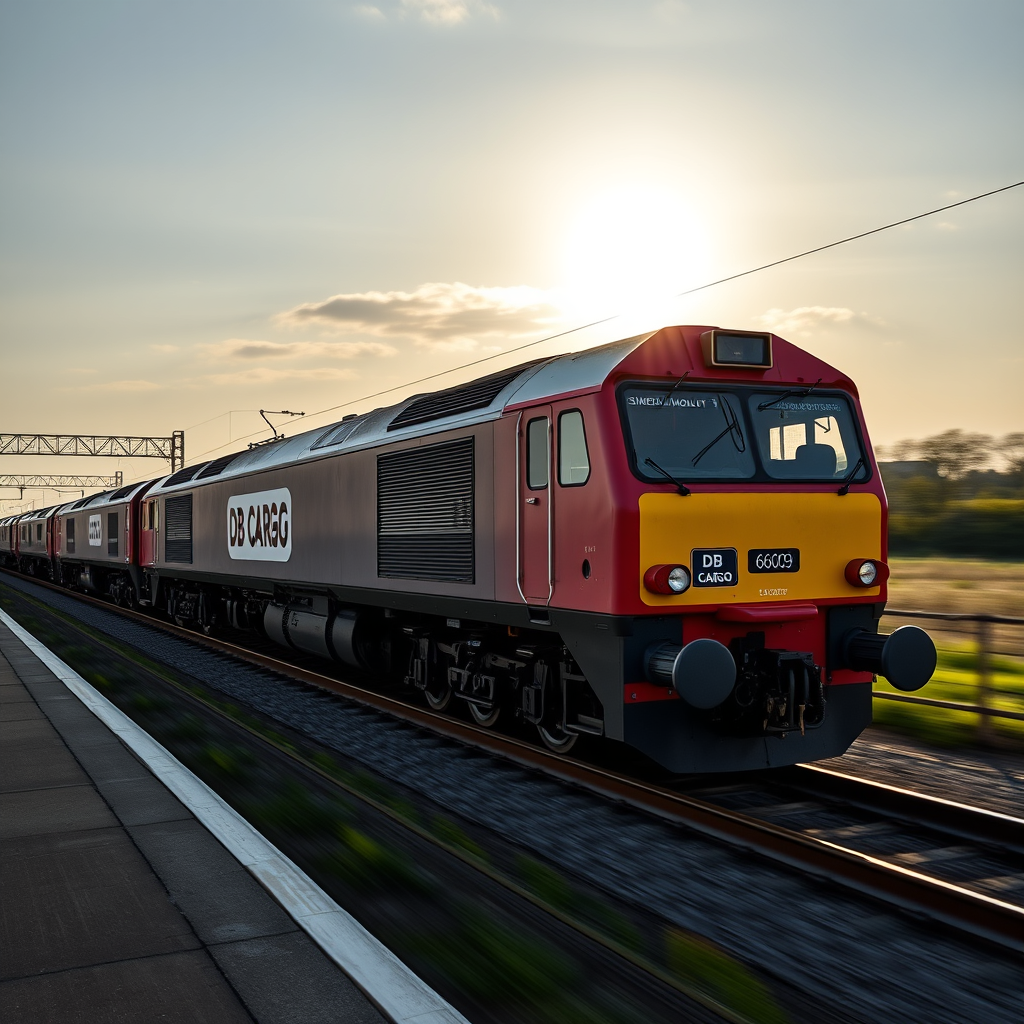
This article explores the significant milestone achieved by Network Rail in the UK’s transition to digital railway signalling. The focus is on the dynamic testing of the first freight locomotive, a Class 66 from DB Cargo’s fleet, retrofitted with European Train Control System (ETCS) technology. This undertaking represents a crucial step in modernizing the UK’s rail infrastructure, significantly improving safety, efficiency, and capacity. The successful retrofitting and subsequent testing of this locomotive lays the groundwork for a large-scale upgrade of the UK’s freight locomotive fleet, paving the way for a fully digitalized railway system. The project’s complexity, the challenges overcome, and the future implications for the entire UK rail network will be analyzed in detail, emphasizing the substantial technological and logistical hurdles involved in such a large-scale undertaking. This case study will illuminate the intricacies of implementing ETCS in an existing rail system and the benefits it promises to deliver.
Retrofit and Static Testing
The retrofitting of the DB Cargo Class 66 locomotive (66039) with ETCS (European Train Control System) by Siemens Mobility marked a pivotal moment. This involved integrating the complex ETCS system into an existing locomotive design, a process that required significant engineering expertise and meticulous planning. The four-year project highlights the challenges inherent in adapting existing infrastructure to new technologies. Successful completion of the static testing phase validated the functionality of the newly installed system, demonstrating its compatibility with the locomotive’s existing components and systems. This paved the way for the crucial next stage: dynamic testing.
Dynamic Testing at the RIDC
Following successful static testing, the locomotive was transferred to Network Rail’s Rail Innovation and Development Centre (RIDC) in Lancashire for dynamic testing. This phase involves rigorous on-track testing under various operational conditions to thoroughly evaluate the performance and reliability of the ETCS system in a real-world environment. The tests are designed to uncover any unforeseen issues or limitations, ensuring the system’s robustness and safety before deployment on the mainline network. The target of 5,000 miles of fault-free running highlights the stringent standards required for regulatory approval.
Regulatory Approval and Future Rollout
The successful completion of dynamic testing at the RIDC is a crucial stepping stone toward obtaining the necessary regulatory approvals for ETCS on Class 66 and Class 67 locomotives. This achievement will serve as a blueprint for the retrofitting of hundreds of freight locomotives, significantly accelerating the UK’s digital railway transformation. The experience gained from this pilot project is invaluable, enabling Network Rail and its partners to refine procedures and optimize future deployments. This standardized approach will significantly reduce the time and cost associated with future upgrades, streamlining the entire process.
The Broader Context: East Coast Digital Programme (ECDP)
The ETCS upgrade for the freight locomotive is part of the larger East Coast Digital Programme (ECDP), a major initiative aimed at modernizing the UK’s railway signaling infrastructure. The ECDP involves upgrading both passenger and freight trains with ETCS, facilitating interoperability and enhanced operational efficiency. The success of the Class 66 project demonstrates the feasibility and benefits of widespread ETCS adoption within the ECDP’s broader goals. This progress aligns with the wider trend of digitalization across the global rail industry, reflecting a commitment to enhanced safety, capacity, and operational efficiency.
Conclusions
The successful dynamic testing of the UK’s first ETCS-equipped freight locomotive marks a pivotal moment in the nation’s railway modernization journey. This achievement, realized through the collaborative efforts of Network Rail, DB Cargo UK, and Siemens Mobility, showcases the feasibility and importance of transitioning to digital signaling technologies. The project’s success highlights the crucial role of rigorous testing and the value of iterative development in implementing complex technological upgrades within an existing infrastructure. The 16 months spent on testing and retrofitting, while seemingly extensive, underscores the complexity of integrating advanced ETCS technology into existing rolling stock. The extensive 5,000-mile fault-free running requirement reflects a commitment to rigorous safety standards, essential for public trust and confidence in the new technology.
The successful pilot project with the Class 66 locomotive sets a strong precedent for the planned upgrades to hundreds of freight locomotives across the UK, accelerating the shift toward a digital railway system. This ambitious undertaking will contribute significantly to improved operational efficiency, enhanced safety through automated train protection, and increased capacity. The integration of ETCS is not merely a technological upgrade; it signifies a fundamental shift towards a more modern, efficient, and safer railway network. The lessons learned from this initial project will undoubtedly be invaluable in guiding future deployments, optimizing processes, and minimizing challenges. The successful integration of ETCS into the freight sector complements similar initiatives in the passenger sector, further strengthening the UK’s commitment to a fully digitalized railway system.
To summarize, the completion of dynamic testing on the Class 66 locomotive is more than just a technological achievement; it represents a significant step towards a future where the UK’s railway network is safer, more efficient, and better equipped to meet the demands of a growing economy. The challenges overcome during this project serve as a testament to the dedication and innovation within the rail industry, paving the way for a transformative shift in the UK’s railway infrastructure.

Railway infrastructure, rolling stock and transport technologies specialist focused on global rail industry developments, high-speed rail systems, signaling technologies and freight transportation. Covering railway investments, public transport modernization, rail operations and international mobility projects across Europe, Asia and North America.
RELATED POSTS

October 8, 2026 1:15 pm
Alstom secured a €1bn contract to build 13 automated trains,...

October 1, 2026 7:09 am
United States regulators confirmed a September 30 deadline for the...

October 4, 2026 5:14 pm
Alstom secured a CA$4.7 billion order from VIA Rail Canada...

October 8, 2026 12:18 pm
Siemens Mobility signed an agreement with VinSpeed to supply 350...

October 5, 2026 6:12 pm
AECOM and Jacobs secured a contract in September 2026 to...

October 4, 2026 11:08 pm
Sound Transit confirmed the September 30 opening of Seattle Pinehurst...