
UK Train Ticket Office U-turn: A Critical Analysis
The reversal of UK government plans to close nearly all train ticket offices is driven by a complex interplay between financial savings, changing customer behavior towards digital services, and efforts to modernize infrastructure while balancing accessibility concerns.
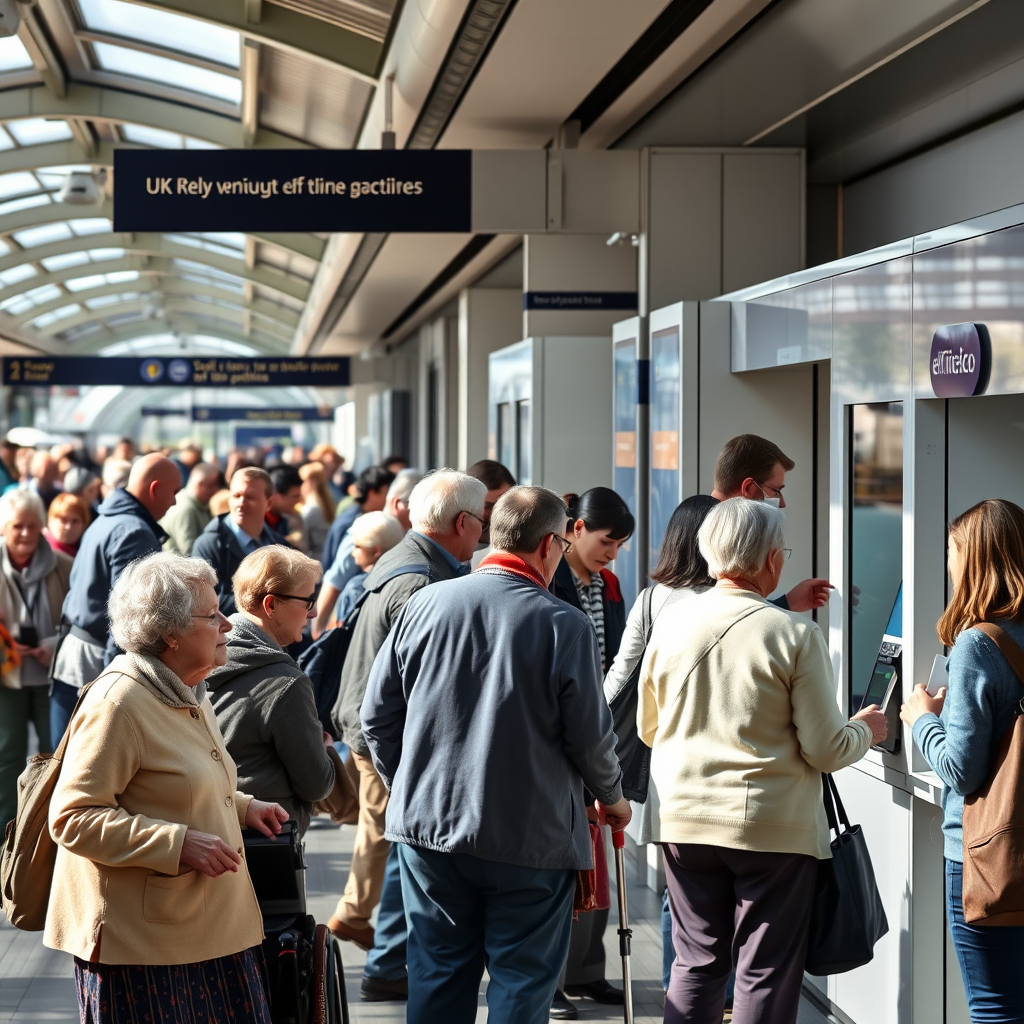
This article examines the recent UK government’s decision to reverse plans for widespread ticket office closures across England. The proposed closures, initially championed by the Department for Transport (DfT) and rail operators, sparked significant controversy and opposition from passenger advocacy groups, accessibility organizations, and trade unions such as the Rail, Maritime and Transport union (RMT). The government’s U-turn, announced after objections from watchdogs like Transport Focus, highlights the complexities of modernizing railway infrastructure while balancing accessibility, passenger experience, and financial considerations. This analysis will delve into the key arguments surrounding the proposed closures, the reasons for the government’s reversal, and the implications for the future of the UK rail network. We will explore the perspectives of different stakeholders, analyze the justifications provided by both proponents and opponents of the closures, and assess the long-term impact of this decision on passenger service, staffing, and the overall financial health of the rail industry.
The Rationale Behind the Proposed Closures
The initial proposal to close nearly all ticket offices in England stemmed from a perceived decline in their usage, attributed to the increasing popularity of mobile ticketing apps and self-service ticket machines. Train operating companies (TOCs) argued that this shift in customer behavior rendered many ticket offices redundant, leading to significant operational cost savings. Additionally, the TOCs proposed reallocating staff from ticket offices to provide more visible and readily available customer assistance on station platforms, focusing on assisting vulnerable passengers and enhancing overall passenger experience. This reallocation aimed to improve efficiency and better meet the changing needs of passengers in the digital age. The Rail Delivery Group (RDG), representing the TOCs, emphasized the need to adapt to modern customer preferences and address the financial challenges faced by the industry post-pandemic.
Opposition and the Role of Accessibility Concerns
The proposed closures faced strong opposition from various quarters, with accessibility concerns forming a central argument. Accessibility groups and disability advocates highlighted the crucial role ticket offices play in ensuring equitable access to rail travel for passengers with disabilities, elderly individuals, and those with limited digital literacy. The ability to purchase tickets with cash, receive personalized assistance, and access essential travel information in person was deemed vital for many vulnerable passengers. The sheer volume of responses to the consultation (750,000 responses) underscored the public’s concern about the potential negative impacts on accessibility. The RMT union also vehemently opposed the closures, arguing they would lead to job losses and a deterioration in the overall quality of passenger service.
Government Intervention and the Withdrawal of Proposals
The government initially appeared to support the closure plans, but following significant opposition and objections from Transport Focus and the parliamentary Transport Committee, it reversed its stance. The government cited the failure of the proposals to meet the high threshold for passenger benefit as the primary reason for the withdrawal. Transport Secretary Mark Harper emphasized the government’s commitment to ensuring accessibility and listening to passenger concerns. The decision marks a significant victory for the campaign groups and the RMT, highlighting the power of public engagement and organized opposition in influencing government policy.
Consequences and Future Directions for the UK Rail Network
The government’s U-turn has profound implications for the future of the UK rail network. While the immediate threat of widespread ticket office closures has been averted, the underlying issues concerning the modernization of the railway and the balancing of cost-saving measures with accessibility remain. The government’s commitment to investing in improved ticketing options, such as expanding Pay as You Go systems, reflects a commitment to evolving the railway to meet the needs of modern passengers. However, the incident underscores the need for detailed consultation and inclusive planning processes when implementing significant changes to rail infrastructure. A crucial aspect for future rail planning is finding a balance between leveraging technological advancements (mobile ticketing, self-service machines) and preserving the accessibility and personalized support that ticket offices currently provide. This requires a strategic approach that considers the needs of all passengers, including those who may not be comfortable or able to utilize digital ticketing options. Additionally, securing the long-term future of rail staff and their roles within the modernized network will be essential to maintaining service quality and passenger satisfaction. The call for a summit to discuss the future of ticket offices and station staff highlights the ongoing need for dialogue and collaboration among all stakeholders to ensure a safe, accessible, and financially sustainable railway for the future.

Railway infrastructure, rolling stock and transport technologies specialist focused on global rail industry developments, high-speed rail systems, signaling technologies and freight transportation. Covering railway investments, public transport modernization, rail operations and international mobility projects across Europe, Asia and North America.
RELATED POSTS

October 8, 2026 1:15 pm
Alstom secured a €1bn contract to build 13 automated trains,...

October 1, 2026 7:09 am
United States regulators confirmed a September 30 deadline for the...

October 4, 2026 5:14 pm
Alstom secured a CA$4.7 billion order from VIA Rail Canada...

October 8, 2026 12:18 pm
Siemens Mobility signed an agreement with VinSpeed to supply 350...

October 5, 2026 6:12 pm
AECOM and Jacobs secured a contract in September 2026 to...

October 4, 2026 11:08 pm
Sound Transit confirmed the September 30 opening of Seattle Pinehurst...