
TRU Launches Two-Month Engineering Block Huddersfield-Leeds
TRU renews 11.2km of track, lays 48,000 tonnes of ballast, and installs 118 OLE structures between Huddersfield and Leeds from May 2.
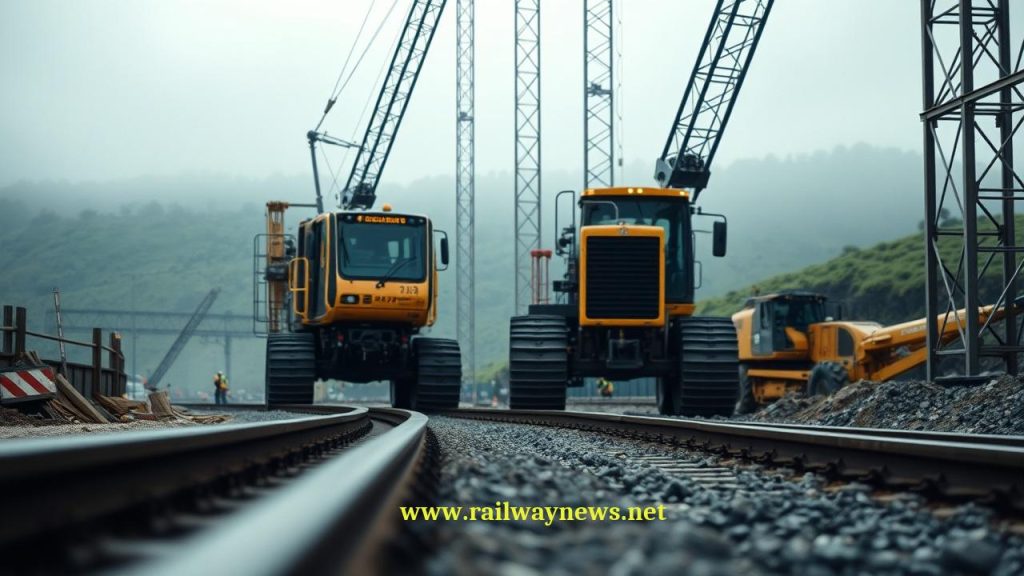
⚡ In Brief: The Transpennine Route Upgrade will deploy 122 engineering trains over two months to renew 11.2km of track, lay 48,000 tonnes of ballast, and install 118 overhead line structures between Huddersfield and Leeds in the UK, beginning 2 May.
LEEDS, UK – Network Rail’s Transpennine Route Upgrade (TRU) programme will undertake a significant two-month phase of engineering works between Huddersfield and Leeds starting on 2 May. The project involves the renewal of over 11.2 km of track and major station upgrades at Batley, Dewsbury, and Huddersfield to prepare the line for future electrification and increased capacity. The works will be conducted in two main blocks, concluding on 27 June.
What Is the Full Scope of This Project?
This phase of the Transpennine Route Upgrade involves two distinct periods of intensive work across the West Yorkshire corridor. In total, the project will deploy 122 engineering trains to lay over 48,000 tonnes of new ballast, renew 11.2km of track, and install 118 foundation bases and masts for future overhead line equipment (OLE). Station upgrades are a key component, with Batley receiving step-free access for the first time, while platforms at both Batley and Dewsbury will be extended to accommodate longer trains.
Key Project Data
| Parameter | Value |
|---|---|
| Project / Contract Name | Transpennine Route Upgrade (TRU) – Huddersfield to Leeds Section |
| Total Value | Not disclosed for this specific phase; part of wider multi-billion TRU programme |
| Parties Involved | Transpennine Route Upgrade (TRU), Northern (Train Operator) |
| Timeline / Completion | 2 May to 27 June |
| Country / Corridor | United Kingdom / Huddersfield-Leeds |
How Does This Compare to Similar Projects?
The TRU’s incremental approach of upgrading existing infrastructure contrasts with large-scale new-build projects in other markets. For instance, in the United States, Los Angeles Metro is undertaking a multi-billion dollar expansion, with the K Line extension estimated to cost between $11 billion and $15 billion to build new light rail connections (Source: LA Times, 2024). While the TRU’s total budget is in the billions, this specific two-month package represents a smaller, targeted investment focused on core asset renewal and future-proofing an existing, operational line. This UK project’s focus on track, ballast, and electrification readiness differs from technology-centric upgrades like Indian Railways’ project to equip 12,000 locomotives with satellite-based real-time tracking systems to improve operational efficiency on its existing network (Source: Developing Telecoms, 2024).
Editor’s Analysis
This concentrated engineering blockade represents a critical enabling stage for the broader Transpennine Route Upgrade, arguably the most important rail infrastructure project in the North of England. The work directly addresses the core objectives of decarbonisation and capacity enhancement by preparing the physical infrastructure for electrification and longer trains. This strategy of intensive, disruptive upgrades on a legacy network highlights the challenge and cost of modernising Victorian-era railways while maintaining services, a recurring theme in the UK rail sector.
FAQ
Q: What is the total amount of new track being laid?
A: A combined total of 11.2 kilometres of track will be renewed during the two phases of work between early May and late June.
Q: What is the main benefit of extending the platforms?
A: Extending platforms at Dewsbury to 200 metres and Batley to 150 metres will allow longer trains with more seats to serve the stations. This is a necessary step to increase passenger capacity and help reduce future overcrowding on the route.
Q: Will Huddersfield station be fully closed?
A: Work at Huddersfield station, including platform and subway work, will primarily take place on weekends. On weekdays, services are planned to continue running between Huddersfield and Leeds via a diversionary route through Wakefield.

Railway infrastructure, rolling stock and transport technologies specialist focused on global rail industry developments, high-speed rail systems, signaling technologies and freight transportation. Covering railway investments, public transport modernization, rail operations and international mobility projects across Europe, Asia and North America.
RELATED POSTS

October 1, 2026 7:09 am
United States regulators confirmed a September 30 deadline for the...

October 4, 2026 5:14 pm
Alstom secured a CA$4.7 billion order from VIA Rail Canada...
October 6, 2026 2:14 am
Union Pacific launched export rail shipments with Ferromex to deliver...

October 1, 2026 12:13 am
Illinois approved $1.5 billion annually for the Northern Illinois Transit...

October 1, 2026 6:10 am
Amtrak approved a System Expansion Committee on July 30 to...
October 1, 2026 3:12 am
Greenbrier confirmed Brian Comstock as new president and CEO effective...