
Transpennine Upgrade: £589M Rail Revolution
The UK government invests £589 million to upgrade the Transpennine main line, doubling track capacity, electrifying sections, implementing advanced digital signaling, and enhancing freight capabilities, aiming to boost economic growth and connectivity in Northern England.
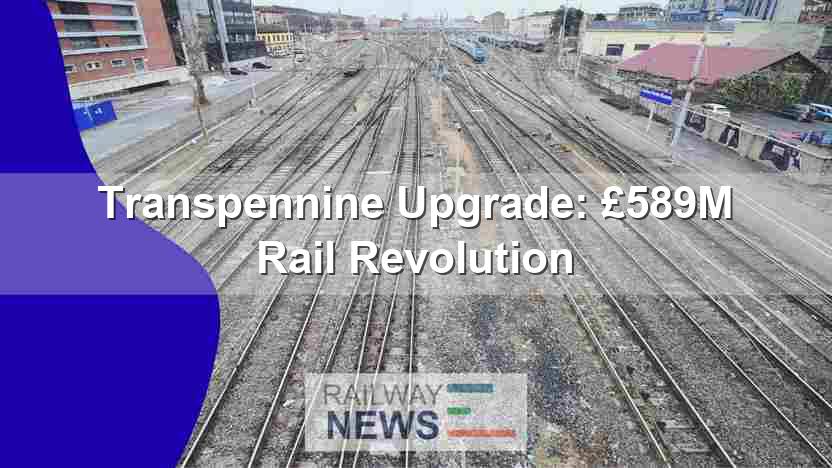
This article examines the significant £589 million investment by the UK government in upgrading the Transpennine main line, a crucial artery connecting major cities in Northern England. This substantial funding marks a commitment to revitalizing the region’s railway infrastructure, addressing long-standing capacity constraints, and improving passenger and freight services. The project encompasses a wide range of improvements, including track duplication, electrification, digital signalling upgrades, and enhanced freight capacity. The project’s impact extends beyond mere infrastructure upgrades; it represents a strategic investment in economic growth, improved connectivity, and enhanced quality of life for communities along the route. This investment is part of a broader national initiative to “level up” the Northern region, fostering economic development and reducing regional disparities. This analysis will delve into the technical details of the upgrade, its economic implications, and its broader significance within the context of UK national transport policy.
Transpennine Main Line Upgrade: Expanding Capacity
The core of the Transpennine main line upgrade focuses on increasing capacity along the congested Leeds-Huddersfield-Manchester corridor. The project’s centerpiece involves quadrupling the track (increasing the number of tracks from two to four) across the most heavily utilized sections. This crucial expansion will significantly increase the number of trains that can operate on this route, addressing current bottlenecks and enabling more frequent services. This expansion directly addresses the limitations of the existing two-track infrastructure, which has struggled to meet the growing demand for passenger and freight transport.
Electrification and Digital Signalling: Modernizing the Network
Beyond track duplication, the upgrade incorporates extensive electrification and the implementation of advanced digital signalling systems. Electrification will enable the introduction of cleaner, more efficient electric Multiple Units (EMUs), replacing older diesel units and reducing carbon emissions. The transition to digital signalling will enhance operational efficiency, allowing for greater train frequency and improved punctuality. This modernization is pivotal in creating a more sustainable and reliable railway network. The implementation of a modern, sophisticated signaling system reduces delays caused by traditional signaling limitations and offers increased safety features.
Freight Capacity Enhancement and Economic Impact
The Transpennine route is a vital artery for freight transportation. The upgrade will include improvements to accommodate increased freight traffic, supporting economic activity across the region. This includes improvements to infrastructure at key freight junctions and potentially dedicated freight paths. This enhancement is crucial for facilitating efficient distribution networks, reducing road congestion, and supporting industrial growth in the North of England. The overall economic impact is expected to be substantial, creating jobs during construction and enhancing the long-term economic prospects of the region by boosting trade and improving accessibility.
The Northern Transport Acceleration Council and Wider Policy Context
The £589 million investment is not an isolated initiative. It forms part of a wider government strategy to improve transport infrastructure across the North of England. The establishment of the Northern Transport Acceleration Council, involving local leaders and the Transport Secretary, is a crucial step towards ensuring effective project delivery and collaboration. This highlights a shift towards a more collaborative approach to infrastructure development, involving stakeholders at various levels of government and industry. This collaborative model promises to streamline project approvals and speed up delivery, ensuring the timely completion of critical infrastructure upgrades.
Conclusions
The £589 million investment in the Transpennine main line upgrade represents a significant step towards modernizing and expanding the UK’s railway network. The project goes beyond simply increasing capacity; it integrates several crucial elements for improved efficiency and sustainability. The quadrupling of tracks on congested sections, the complete electrification of the line, and the implementation of modern digital signalling systems are essential for enhancing capacity, improving reliability, and creating a greener railway network. Additionally, dedicated attention to increasing freight capacity emphasizes the project’s role in supporting economic activity across Northern England.
The establishment of the Northern Transport Acceleration Council signifies a concerted effort towards collaborative governance in infrastructure development. This collaborative approach should expedite project delivery and ensure alignment between national and regional priorities. The project’s success will depend not only on effective project management but also on ongoing engagement with local communities and businesses. The upgrade’s long-term effects will include improved passenger journeys, enhanced freight movement, reduced regional disparities, and a substantial boost to the economic vitality of the Northern region. This investment is a clear indication of the UK government’s commitment to infrastructure-led economic growth and regional development.
To summarize, the Transpennine main line upgrade is more than a railway project; it is a strategic investment in the future of Northern England. By addressing current capacity constraints, modernizing infrastructure, and promoting collaboration between different stakeholders, this initiative promises to significantly improve connectivity, stimulate economic growth, and enhance the overall quality of life for the communities it serves. The project sets a valuable precedent for future infrastructure developments, demonstrating a commitment to sustainable transport and regional economic prosperity.

Railway infrastructure, rolling stock and transport technologies specialist focused on global rail industry developments, high-speed rail systems, signaling technologies and freight transportation. Covering railway investments, public transport modernization, rail operations and international mobility projects across Europe, Asia and North America.
RELATED POSTS

October 8, 2026 1:15 pm
Alstom secured a €1bn contract to build 13 automated trains,...

October 1, 2026 7:09 am
United States regulators confirmed a September 30 deadline for the...

October 8, 2026 12:18 pm
Siemens Mobility signed an agreement with VinSpeed to supply 350...

October 4, 2026 5:14 pm
Alstom secured a CA$4.7 billion order from VIA Rail Canada...

October 5, 2026 6:12 pm
AECOM and Jacobs secured a contract in September 2026 to...

October 4, 2026 11:08 pm
Sound Transit confirmed the September 30 opening of Seattle Pinehurst...