
Transpennine Route Upgrade: Rail Revolutionizing Northern England
The Transpennine Route Upgrade (TRU) is a multi-billion-pound railway infrastructure project in Northern England aiming to significantly enhance the region’s rail network by 2035, focusing on sustainability, job creation, economic benefits, and environmental responsibility, with key components including electrification of the track between York and Manchester, biodiversity conservation, waste reduction, and local employment opportunities.
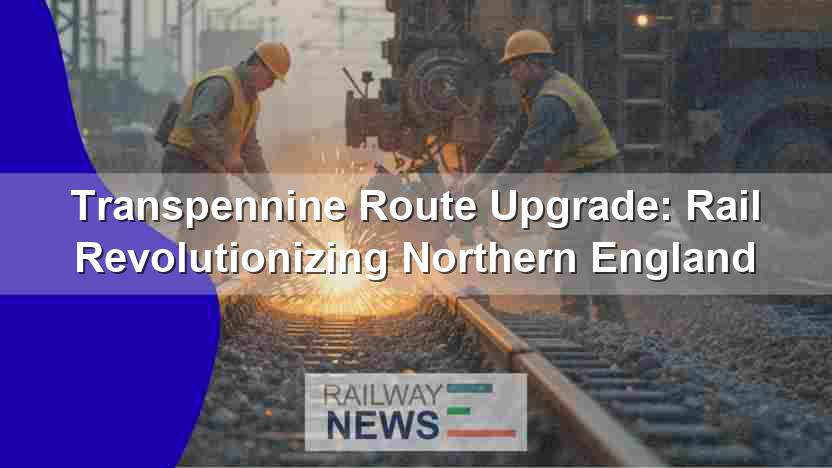
The Transpennine Route Upgrade (TRU) is a multi-billion-pound railway infrastructure project in Northern England aiming to significantly enhance the region’s rail network by 2035. This ambitious undertaking goes beyond mere track improvements; it’s a multifaceted initiative designed to revolutionize rail travel, boost the local economy, and dramatically reduce carbon emissions. This article will delve into the key aspects of the TRU, examining its impact on sustainability, job creation, economic benefits, and its overall contribution to the Northern Powerhouse initiative. We will explore the technical advancements, environmental considerations, and the broader societal impact of this transformative project. The scale and complexity of the TRU necessitate a detailed analysis of its various components and their interconnectedness to fully appreciate its potential to reshape the transportation landscape of Northern England and set a precedent for future sustainable railway modernization projects worldwide.
Sustainable Rail Infrastructure Development
A core principle of the TRU is the reduction of carbon emissions. Electrification of the 70-mile stretch between York and Manchester is a cornerstone of this strategy. Switching from diesel to electric locomotives will drastically decrease greenhouse gas emissions from train operations. Beyond electrification, the TRU incorporates a detailed sustainability plan encompassing a 10% net gain in biodiversity across the project areas, the recycling of 90% of construction waste, and diverting 99% of non-hazardous materials from landfills. This demonstrates a commitment to minimizing the environmental footprint of the project and creating a more environmentally responsible rail system.
Economic and Social Impact of the TRU
The TRU is projected to deliver substantial economic benefits. The program is anticipated to generate over £4 billion in social value, with an additional £4 billion in well-being improvements. This is complemented by the creation of approximately 4,000 new jobs during the construction phase, with a significant emphasis on recruiting local labor. At least 60% of the workforce is expected to reside within a 25-mile radius of the project, and 80% within 40 miles. This localized job creation fosters economic growth within the communities directly impacted by the upgrade. Additionally, the commitment to include 20% of workers from underrepresented groups showcases a focus on inclusivity and diversity.
Enhanced Passenger Experience and Operational Efficiency
Beyond environmental and economic advantages, the TRU prioritizes enhancing the passenger experience. Improvements in track infrastructure, signaling systems, and station facilities aim to provide more reliable and efficient services. The projected journey time between Manchester and York is expected to be reduced to 63-66 minutes, a substantial improvement over current travel times. This increased speed and reliability will increase passenger satisfaction and make rail travel a more attractive option compared to road transport. The reduction in journey times also contributes to increased capacity and operational efficiency of the entire network.
Project Governance and Performance Metrics
The TRU’s success is measured not only by physical infrastructure improvements but also by adherence to stringent performance targets. One key objective is to achieve a 50p return on investment for every £1 spent on construction, reflecting a strong emphasis on value for money. Additionally, the project aims for a BREEAM (Building Research Establishment Environmental Assessment Method) Infrastructure V6 Whole Project Award ‘Excellent’ rating, underscoring the project’s commitment to sustainable construction practices. These metrics ensure accountability and transparency throughout the project lifecycle, providing clear benchmarks to gauge the effectiveness of the program’s overall approach.
Conclusion
The Transpennine Route Upgrade represents a significant investment in the future of rail transportation in Northern England. Its success lies not only in the modernization of the rail infrastructure but also in its integrated approach to sustainability, economic development, and social responsibility. The ambitious targets for carbon emission reduction, job creation, and social value demonstrate a long-term vision for a greener and more prosperous Northern England. The focus on creating a diverse workforce and achieving high standards in sustainability certifications underlines the project’s commitment to responsible development. The projected improvements in passenger experience, including reduced journey times and increased reliability, will significantly enhance the attractiveness of rail travel, potentially diverting millions of car journeys to a more sustainable mode of transport. The TRU serves as a compelling case study in how large-scale infrastructure projects can act as catalysts for wider regional growth, demonstrating a powerful synergy between economic development and environmental responsibility. The meticulous tracking of performance metrics and the commitment to delivering exceptional value for money ensure the project’s long-term viability and positive impact on the region for decades to come.

Railway infrastructure, rolling stock and transport technologies specialist focused on global rail industry developments, high-speed rail systems, signaling technologies and freight transportation. Covering railway investments, public transport modernization, rail operations and international mobility projects across Europe, Asia and North America.
RELATED POSTS

October 8, 2026 1:15 pm
Alstom secured a €1bn contract to build 13 automated trains,...

October 1, 2026 7:09 am
United States regulators confirmed a September 30 deadline for the...

October 8, 2026 12:18 pm
Siemens Mobility signed an agreement with VinSpeed to supply 350...

October 4, 2026 5:14 pm
Alstom secured a CA$4.7 billion order from VIA Rail Canada...

October 5, 2026 6:12 pm
AECOM and Jacobs secured a contract in September 2026 to...

October 4, 2026 11:08 pm
Sound Transit confirmed the September 30 opening of Seattle Pinehurst...