
TransLink Expo Line: Elevator Upgrade Enhances Vancouver Transit
Vancouver’s Expo Line gets C$32M elevator upgrade, boosting accessibility and reliability for commuters.
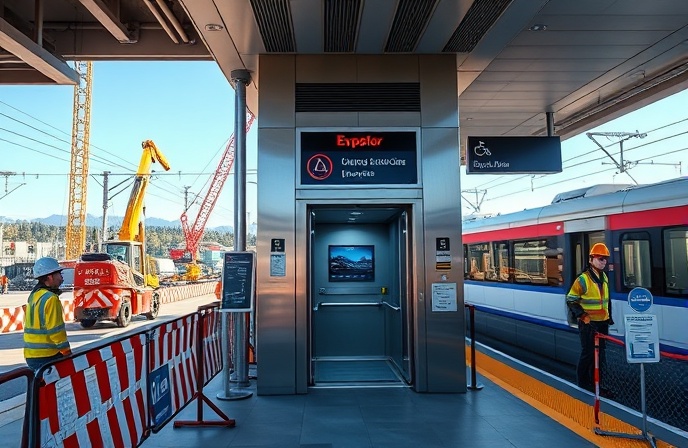
TransLink Embarks on Detailed Expo Line Elevator Replacement Program
Vancouver’s SkyTrain network, a vital artery of the city’s public transit system, is undergoing a significant infrastructure upgrade. TransLink has initiated a C$32 million elevator replacement program on the Expo Line, a project poised to enhance accessibility and operational reliability for thousands of daily commuters. The program, which commenced in late 2023, will see the replacement of 21 elevators across 15 stations. This initiative addresses the critical need for modernization of aging infrastructure originally installed when the Expo Line first opened in 1985. The project is funded through a combination of municipal, provincial, and federal investment, demonstrating a multi-level commitment to improving the transit experience. This article will examine the scope, technical aspects, and impact of this important undertaking.
Modernizing Accessibility and Capacity
The primary driver behind the Expo Line elevator replacement is to significantly improve accessibility for all passengers. The new elevators will feature expanded interiors, providing ample space for individuals using mobility devices, families with strollers, cyclists with their bikes, and passengers with luggage. This increased capacity directly addresses the growing ridership and the needs of a diverse user base. TransLink’s commitment to universal accessibility aligns with broader societal goals of inclusivity and ensuring ease of use for all transit users, from the elderly to those with disabilities. The upgraded elevators will not only improve the passenger experience but also contribute to a smoother and more efficient flow of commuters within the stations.
Enhancing Operational Reliability through Technological Advancements
Beyond accessibility enhancements, the replacement program focuses on boosting the reliability and lifespan of the vertical transportation infrastructure. The original elevators, nearing four decades of service, are susceptible to wear and tear and require increasing maintenance. The new generation of elevators incorporates cutting-edge technology designed to withstand the rigors of daily operation, including improved resistance to extreme temperatures. These advancements should lead to fewer service disruptions and reduced maintenance costs over the long term, enhancing the overall efficiency of the Expo Line. This technological upgrade will increase the Mean Time Between Failures (MTBF) and reduce Mean Time To Repair (MTTR), crucial metrics in a robust transportation system.
Phased Implementation and Station-Specific Details
The elevator replacement program is being executed in a phased approach to minimize disruption to passenger service. Two initial replacements are currently underway at Nanaimo and 22nd Street stations, with each project estimated to take approximately four months to complete. This staggered approach allows TransLink to allocate resources efficiently and learn from the experience gained at each stage. By carefully planning the replacement schedule, TransLink aims to keep as many elevators operational as possible throughout the project. Passengers are encouraged to check TransLink’s website and transit apps for real-time updates on elevator availability and station access before their journeys.
Funding and Future Investment in Infrastructure
The C$32 million allocated for the Expo Line elevator replacements reflects a strong commitment to infrastructure renewal. The project’s funding sources include the Vancouver Mayor’s 10-year vision, the federal government’s Canada Community Building Fund (CCBF), and contributions from the Government of British Columbia. This combined funding model underscores the recognition of public transit’s critical role in urban mobility and economic development. The investment not only addresses immediate accessibility concerns but also lays the groundwork for future expansion and upgrades. As ridership continues to grow, further investments in infrastructure, including the continued modernization of aging systems, will be critical to maintaining a reliable and efficient transit network.
Conclusion
The TransLink Expo Line elevator replacement program represents a significant investment in the future of Vancouver’s public transit system. By upgrading aging infrastructure and implementing modern technology, TransLink is enhancing accessibility, improving reliability, and optimizing passenger experience. The project directly addresses the evolving needs of a growing and diverse rider base. The phased implementation strategy minimizes disruption, while the combination of municipal, provincial, and federal funding illustrates a collective commitment to urban mobility. The positive impacts will resonate throughout the network for decades to come. The program sets a precedent for future infrastructure projects, demonstrating the benefits of proactive maintenance and strategic investment.

Railway infrastructure, rolling stock and transport technologies specialist focused on global rail industry developments, high-speed rail systems, signaling technologies and freight transportation. Covering railway investments, public transport modernization, rail operations and international mobility projects across Europe, Asia and North America.
RELATED POSTS

October 1, 2026 7:09 am
United States regulators confirmed a September 30 deadline for the...

October 8, 2026 1:15 pm
Alstom secured a €1bn contract to build 13 automated trains,...

October 4, 2026 5:14 pm
Alstom secured a CA$4.7 billion order from VIA Rail Canada...

October 1, 2026 12:13 am
Illinois approved $1.5 billion annually for the Northern Illinois Transit...
October 6, 2026 2:14 am
Union Pacific launched export rail shipments with Ferromex to deliver...

October 1, 2026 6:10 am
Amtrak approved a System Expansion Committee on July 30 to...