
Trafford Park Metrolink: A £350m Success Story
The Trafford Park Metrolink extension in Manchester showcases the intricate challenges and successes of modern light rail development through detailed testing phases including track laying, initial tram testing, signaling system implementation, and driver training, ensuring a smooth and safe operation.
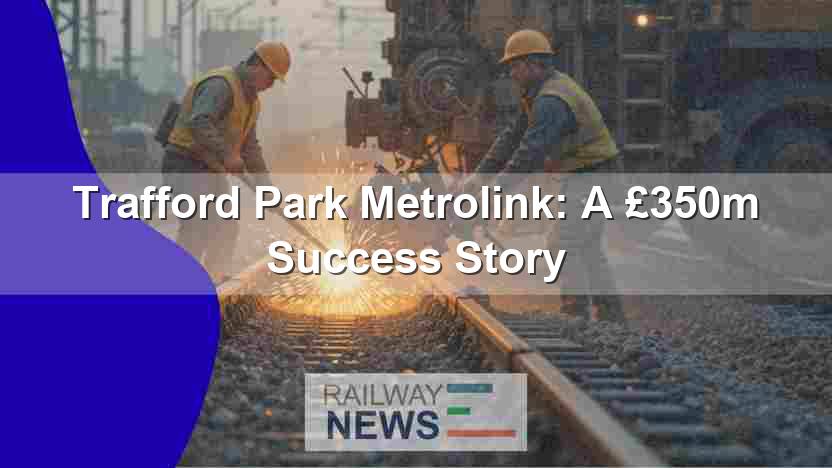
This article examines the development and testing phases of the £350 million Trafford Park Metrolink extension in Manchester, England. The project, a significant undertaking in light rail infrastructure expansion, showcases the complexities involved in extending an existing network. From initial track laying and safety testing to the crucial phases of signaling system implementation and driver training, the project offers valuable insights into the challenges and successes of modern light rail development. We will explore the project’s anticipated economic impact, its contribution to sustainable transportation, and the meticulous safety procedures ensuring passenger well-being. The analysis explores the collaboration between TfGM (Transport for Greater Manchester), KeolisAmey Metrolink, and contractors like M-Pact Thales, highlighting the intricate coordination required for such large-scale projects. The article also emphasizes the importance of thorough testing and the phased approach taken to guarantee the smooth and safe operation of the extended line.
Initial Track Laying and Testing
The first stage of the Trafford Park Metrolink extension involved the laying of 5.5km of new track by M-Pact Thales, connecting Pomona to Trafford Park. This significant undertaking was followed by the commencement of initial tram testing. These initial tests, conducted at walking speed, focused primarily on verifying the structural integrity of the newly laid tracks and identifying any potential issues before proceeding to higher-speed trials. This meticulous approach to testing underscores the paramount importance of safety in the rail industry. The engineers meticulously checked the alignment, stability, and overall functionality of the newly installed track infrastructure.
Signaling System Implementation and Driver Training
Following the initial track testing, the project’s focus shifted to the implementation and testing of the signaling system. This critical aspect of rail infrastructure ensures safe and efficient train operations. The complexity of modern signaling systems necessitates rigorous testing and validation to guarantee seamless integration with the existing Metrolink network. This phase was followed by driver training programs, essential for familiarizing drivers with the new line’s layout, signaling systems, and operational protocols. The training encompassed both theoretical knowledge and practical experience, ensuring that drivers were fully competent to operate trams on the new extension.
Economic and Environmental Impact
The Trafford Park Metrolink extension is anticipated to have a substantial positive impact on the region’s economy and environment. The improved accessibility to Trafford Park’s retail, leisure, business, and employment opportunities is expected to stimulate economic growth and job creation. Additionally, by providing a viable alternative to car travel, the extension aims to reduce traffic congestion and improve air quality. This commitment to sustainable transportation aligns with broader efforts to reduce carbon emissions and create more environmentally friendly urban transport networks. The six new stops along the line will also serve to increase the accessibility of various key locations within the Trafford Park area.
Project Coordination and Collaboration
The successful execution of the Trafford Park Metrolink extension relies heavily on the effective collaboration between various stakeholders. TfGM, as the project’s overseeing body, plays a crucial role in coordinating the efforts of KeolisAmey Metrolink (the operator of the Metrolink network), M-Pact Thales (the track contractor), and other involved parties. This collaborative approach, which involves regular communication and shared decision-making, is crucial for managing risks, resolving conflicts, and ensuring the project’s timely and efficient completion. The seamless integration of the new line with the existing network depends on meticulous coordination between all involved entities.
Conclusions
The Trafford Park Metrolink extension project represents a significant investment in Manchester’s public transport infrastructure. The meticulous testing procedures, from initial track inspections at walking speed to the rigorous validation of signaling systems and the detailed driver training programs, highlight the rail industry’s unwavering commitment to safety. The successful completion of these phases signifies a significant step towards the extension’s planned opening. The project’s anticipated economic benefits, encompassing job creation, enhanced accessibility, and the promotion of sustainable transportation, are considerable. The reduction in traffic congestion and improvement in air quality are key environmental benefits. The extension’s success also underscores the importance of effective collaboration and coordination among various stakeholders, highlighting the efficient management of resources and the seamless integration of new infrastructure with existing networks. Looking ahead, the timely completion of the project and its subsequent operational success will serve as a valuable case study for future light rail development projects, offering valuable lessons in planning, execution, and the meticulous attention to safety that is crucial for the rail industry.

Railway infrastructure, rolling stock and transport technologies specialist focused on global rail industry developments, high-speed rail systems, signaling technologies and freight transportation. Covering railway investments, public transport modernization, rail operations and international mobility projects across Europe, Asia and North America.
RELATED POSTS

October 8, 2026 1:15 pm
Alstom secured a €1bn contract to build 13 automated trains,...

October 1, 2026 7:09 am
United States regulators confirmed a September 30 deadline for the...

October 8, 2026 12:18 pm
Siemens Mobility signed an agreement with VinSpeed to supply 350...

October 4, 2026 5:14 pm
Alstom secured a CA$4.7 billion order from VIA Rail Canada...

October 5, 2026 6:12 pm
AECOM and Jacobs secured a contract in September 2026 to...

October 4, 2026 11:08 pm
Sound Transit confirmed the September 30 opening of Seattle Pinehurst...