
Thales Saudi Arabia Railway Maintenance: Optimizing Global Rail
Optimize your railway maintenance with a holistic approach. Leverage advanced technologies and predictive models for safer, more efficient operations. Discover how!
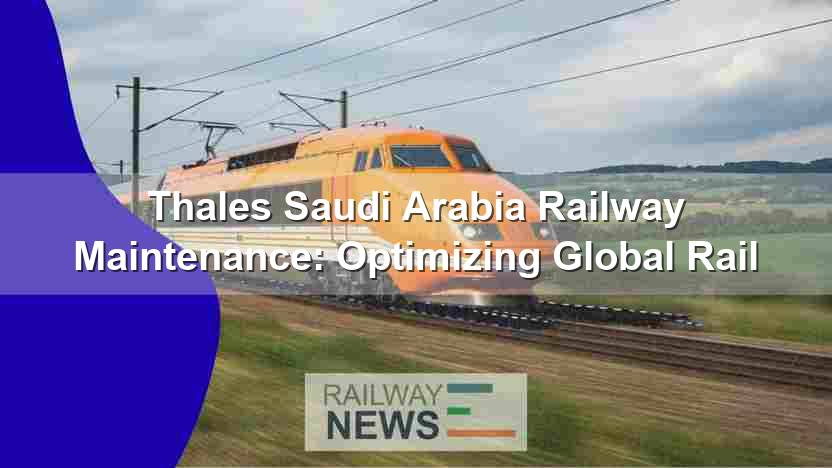
This article explores the multifaceted challenges and opportunities in railway maintenance, examining strategies for optimizing efficiency, safety, and cost-effectiveness. From preventative measures to advanced technologies, it explores how a holistic approach can enhance the overall performance of railway systems. The increasing complexity of modern rail networks, coupled with the pressure to deliver on time and within budget, necessitates a systematic and data-driven approach to maintenance. This article will explore the crucial interplay between infrastructure, rolling stock, personnel, and technological advancements in achieving optimal railway maintenance practices. Further, it will discuss the importance of predictive maintenance and its role in mitigating potential disruptions and ensuring continuous service.
Infrastructure-Centric Maintenance Strategies
Railway infrastructure, comprising tracks, signaling systems, and stations, necessitates meticulous maintenance to guarantee safety and performance. Regular track inspections, utilizing advanced technologies like laser scanning and drone imagery, allow for proactive identification of potential issues. Implementing intelligent monitoring systems that analyze real-time data from sensors embedded in infrastructure elements can facilitate predictive maintenance schedules, minimizing unexpected disruptions. Prompt repairs and timely replacement of damaged components are paramount, reducing the likelihood of major incidents and escalating costs.
Rolling Stock Maintenance and Optimization
Rolling stock represents a significant investment for any railway operator. Proactive maintenance schedules, based on detailed condition assessments and historical performance data, are vital for maximizing operational availability and longevity. Implementing digital twin technologies can simulate the behavior of rolling stock under various operational conditions, allowing for virtual testing and optimization of maintenance plans. Utilizing advanced diagnostics and data analysis tools to identify potential failures before they manifest in physical damage can drastically reduce downtime. Additionally, implementing strategies for component reuse and refurbishment minimizes waste and extends the life cycle of assets.
Human Capital and Training in Railway Maintenance
The skilled workforce is the backbone of any effective railway maintenance strategy. Robust training programs that equip technicians with the necessary skills and knowledge for handling complex equipment and employing advanced technologies are essential. This includes training on safety protocols, problem-solving, and the effective use of diagnostic tools. Moreover, continuous professional development opportunities will ensure that maintenance teams remain updated with the latest industry best practices and advancements. Collaborative environments that encourage knowledge sharing and knowledge transfer between experienced and newer employees can foster innovation and efficiency.
The Role of Technology and Data Analytics in Enhancing Maintenance
The integration of advanced technologies, including AI, machine learning, and IoT (Internet of Things), is crucial in streamlining railway maintenance operations. Analyzing historical data, identifying patterns, and predicting future maintenance needs are key functionalities of this approach. Real-time data from sensors embedded in railway systems can be analyzed to detect anomalies, anticipate potential failures, and trigger proactive maintenance interventions. This predictive maintenance model is a significant factor in optimizing the utilization of personnel and resources, resulting in improved efficiency and reduced maintenance costs. Advanced technologies like AI can improve the scheduling of preventative maintenance, reduce manual intervention, and maximize safety. This approach allows for quicker response times and enhances reliability. Further, data analytics can track the performance of specific maintenance tasks, allowing for continuous improvement and the identification of areas for optimization.
Conclusions: A Path Forward in Railway Maintenance
The efficient and cost-effective maintenance of railway systems is a complex undertaking requiring a holistic approach that encompasses infrastructure, rolling stock, personnel, and technology. Optimizing these interconnected elements is paramount in ensuring safe, reliable, and efficient rail operations. Preventative maintenance, coupled with the implementation of predictive models and advanced technologies, significantly reduces unplanned downtime, minimizes repair costs, and maximizes asset utilization. Investing in detailed training programs for maintenance personnel ensures the workforce is proficient in handling cutting-edge tools and technologies. Integrating AI and data analytics allows for proactive identification of potential issues, reducing delays and enhancing operational efficiency. This holistic approach is crucial for the sustainable development and continuous improvement of railway networks worldwide. A notable case study for the implementation of these strategies is evident in the railway maintenance efforts undertaken in Thales Saudi Arabia railway maintenance projects. The effective integration of these technologies results in better infrastructure management, reduced maintenance costs, increased safety and reliability of the rail network. This approach will be vital for the continuing development and success of railway systems in the future.
You might be interested in:
Last February 2019, we covered Arriva’s €45 million Czech rail expansion and its open-access success. Click here to read – Arriva’s Czech Rail Expansion: Open Access Success?

Railway infrastructure, rolling stock and transport technologies specialist focused on global rail industry developments, high-speed rail systems, signaling technologies and freight transportation. Covering railway investments, public transport modernization, rail operations and international mobility projects across Europe, Asia and North America.
RELATED POSTS

October 8, 2026 1:15 pm
Alstom secured a €1bn contract to build 13 automated trains,...

October 4, 2026 5:14 pm
Alstom secured a CA$4.7 billion order from VIA Rail Canada...

October 5, 2026 6:12 pm
AECOM and Jacobs secured a contract in September 2026 to...

October 1, 2026 12:13 am
Illinois approved $1.5 billion annually for the Northern Illinois Transit...

October 4, 2026 11:08 pm
Sound Transit confirmed the September 30 opening of Seattle Pinehurst...
October 5, 2026 1:13 pm
New York MTA confirmed a late 2026 DEIS release for...