
Thales, ProRail, & ERTMS: Dutch Rail’s Modernization
This article discusses ProRail’s significant contract with Thales for the delivery and maintenance of axle counting systems as part of a modernization plan to transition from ATB to ERTMS, enhancing safety, capacity, and interoperability on the Dutch railway network.
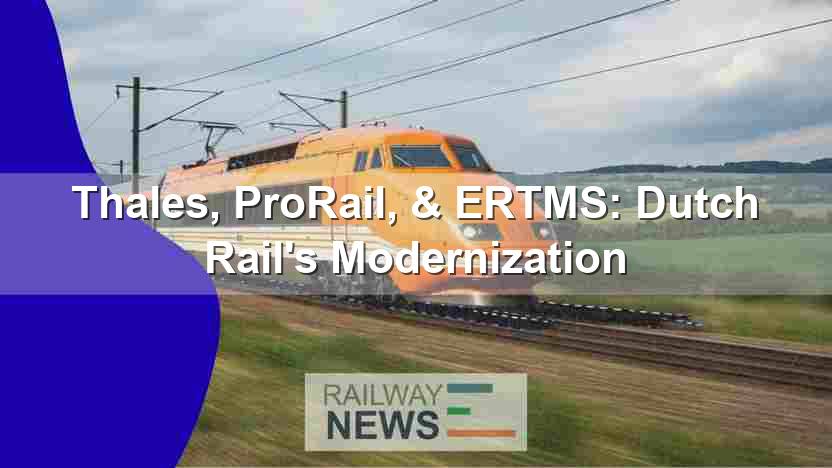
This article explores the significant contract awarded to Thales by ProRail (the Dutch railway infrastructure manager) for the delivery and maintenance of axle counting systems. This procurement is a crucial component of ProRail’s ambitious plan to transition from the existing ATB (Automatic Train Protection) system to the European Rail Traffic Management System (ERTMS). The transition represents a substantial modernization of the Dutch railway network, improving safety, capacity, and interoperability. The contract, spanning several years and encompassing a considerable length of track, highlights the scale of this undertaking and the technological advancements needed to achieve a fully modernized, high-performance rail system. We will examine the reasons behind this upgrade, the technology involved, the implications for the Dutch railway network, and the long-term strategic goals that this project supports.
The Need for ERTMS Upgrade
ProRail’s decision to replace its aging ATB system with ERTMS is driven by several key factors. Firstly, ATB, an older, nationally specific system, presents limitations in terms of interoperability. ERTMS, a European-wide standard, enables seamless cross-border train operations, enhancing efficiency and reducing operational complexities for international freight and passenger services. Secondly, increasing traffic density on the Dutch rail network necessitates a more robust and sophisticated signaling system. ERTMS offers improved capacity and train control capabilities, allowing for higher train speeds and more frequent services. Finally, ERTMS incorporates advanced safety features, improving overall safety and reliability compared to the older ATB system. The upgrade will thus enhance the efficiency, safety, and capacity of the Dutch railway system.
Thales’ Axle Counting System: A Critical Component
The core of this modernization project hinges on the accurate and reliable detection of train positions and movements. This is where Thales’ axle counting system, integrated with the GAST (Generic ASsenTel system)-ERTMS solution, plays a vital role. Axle counters, a fundamental component of train detection, precisely record the number of axles passing a given point on the track. This information is crucial for maintaining train spacing, preventing collisions, and ensuring the overall safety and efficiency of the railway system. Thales’ proven technology and experience in delivering robust and reliable axle counting systems were key factors in ProRail’s decision. The system is designed for both high accuracy and reliability, essential aspects for a heavily utilized rail network like the Netherlands’.
The Scope and Implications of the Project
The contract between ProRail and Thales is extensive, covering approximately 600km of track and a 25-year maintenance period following the final installation in 2032. This underscores the substantial investment required to modernize a national railway network and the long-term commitment to ensuring the system’s operational effectiveness. The project’s success is not only about technological implementation but also about effective project management, integration with existing infrastructure, and detailed training for railway personnel. It signifies a strategic shift towards a modernized, more efficient, and safer railway system for the Netherlands.
Long-Term Strategic Benefits
Beyond the immediate improvements in safety and capacity, the ERTMS upgrade, including the Thales axle counting system, offers significant long-term strategic benefits. The increased interoperability fostered by ERTMS will allow for greater integration with neighboring countries’ rail networks, potentially opening up new routes and services. This, in turn, may stimulate economic growth and enhance international connectivity. Additionally, the upgrade contributes to the sustainability of the Dutch railway system, facilitating the use of more efficient and environmentally friendly rolling stock. The modernization enhances the system’s resilience, adaptability to future technological advancements, and preparedness for the anticipated growth in rail transport.
Conclusion
ProRail’s contract with Thales for the delivery and maintenance of axle counting systems as part of its ERTMS implementation represents a significant milestone in modernizing the Dutch railway network. The transition from the aging ATB system to ERTMS is driven by the need for enhanced safety, increased capacity, and improved interoperability. Thales’ sophisticated axle counting system, integral to the efficient functioning of ERTMS, plays a crucial role in achieving these objectives. The project’s scale – covering approximately 600km of track and extending over a 25-year maintenance period – underscores the substantial investment and long-term commitment involved. The successful completion of this project will not only enhance the safety, efficiency, and capacity of the Dutch railway system but also provide considerable long-term strategic benefits, including improved international connectivity, economic growth, and greater sustainability. The adoption of ERTMS positions the Netherlands at the forefront of European rail modernization, setting a standard for other countries aiming to achieve similar advancements in their rail infrastructure. This significant investment in technological upgrades showcases a forward-thinking approach to rail transportation, solidifying the Netherlands’ position as a leader in rail innovation and paving the way for a safer, more efficient, and sustainable future for its railway network.

Railway infrastructure, rolling stock and transport technologies specialist focused on global rail industry developments, high-speed rail systems, signaling technologies and freight transportation. Covering railway investments, public transport modernization, rail operations and international mobility projects across Europe, Asia and North America.
RELATED POSTS

October 8, 2026 1:15 pm
Alstom secured a €1bn contract to build 13 automated trains,...

October 1, 2026 7:09 am
United States regulators confirmed a September 30 deadline for the...

October 8, 2026 12:18 pm
Siemens Mobility signed an agreement with VinSpeed to supply 350...

October 4, 2026 5:14 pm
Alstom secured a CA$4.7 billion order from VIA Rail Canada...

October 5, 2026 6:12 pm
AECOM and Jacobs secured a contract in September 2026 to...

October 4, 2026 11:08 pm
Sound Transit confirmed the September 30 opening of Seattle Pinehurst...