
Talgo Blocked: Geopolitics & Railway M&A
The Spanish government intervened in the acquisition of Talgo by Ganz-Mavag due to national security concerns over perceived indirect links to Russia and fears of data security breaches, highlighting the heightened geopolitical sensitivity surrounding M&A activity within the European railway industry.
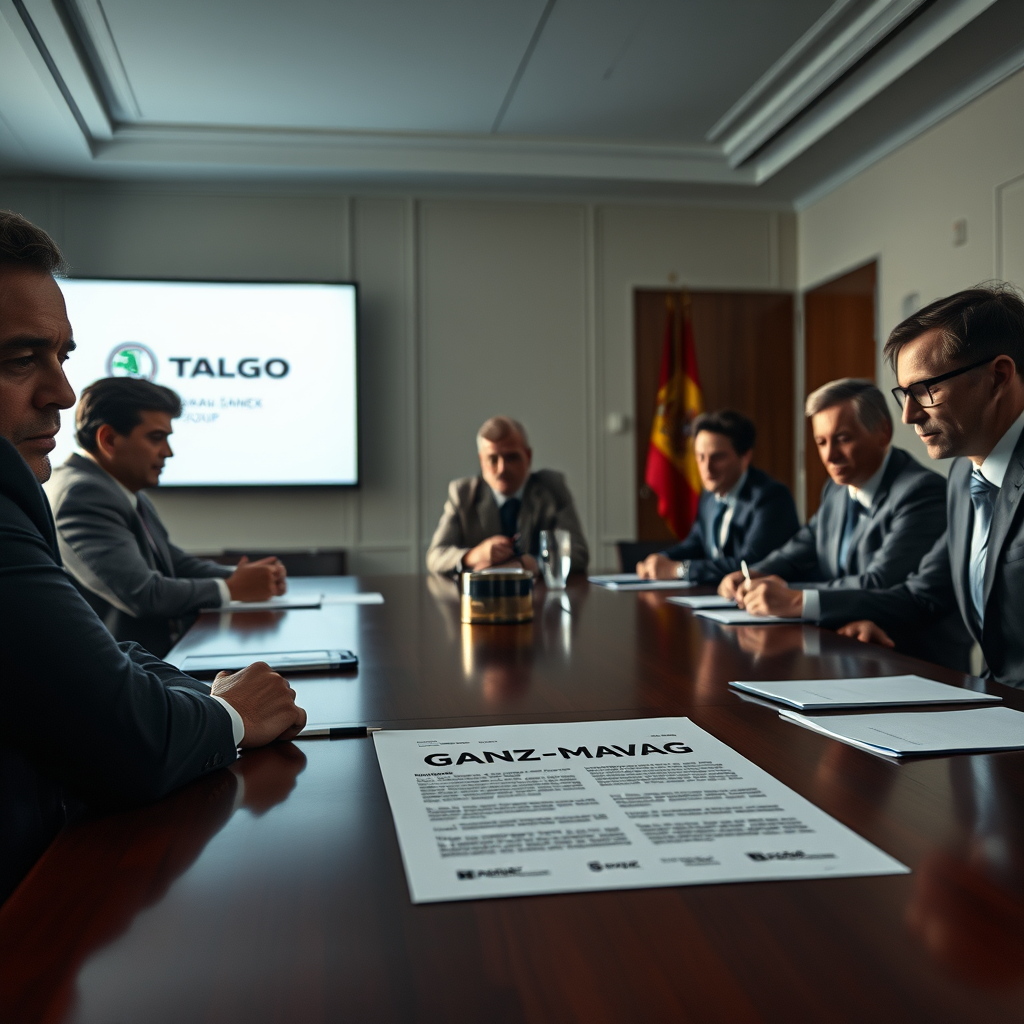
The Blocked Acquisition of Talgo: A Case Study in Geopolitics and Railway Industry Consolidation
This article analyzes the recent failed acquisition of Talgo (a Spanish rolling stock manufacturer) by Ganz-Mavag (a Hungarian manufacturer), focusing on the geopolitical considerations that led to the Spanish government’s intervention. The case highlights the complexities of international mergers and acquisitions (M&A) in the strategically sensitive railway industry, where national security concerns often outweigh purely commercial considerations. We will explore the key players involved, the rationale behind the Spanish government’s decision, the implications for Talgo, and the broader implications for the European railway market. The analysis will delve into the strategic importance of rolling stock manufacturing, the role of government intervention in M&A activity within this sector, and the potential future scenarios for Talgo following this significant setback. The interrelation of political factors with commercial considerations and the future prospects of the industry will be thoroughly investigated.
The Ganz-Mavag Bid and its Rejection
Ganz-Mavag’s €619 million ($686 million) bid for Talgo represented a significant attempt at consolidation within the European railway market. However, the Spanish government, citing national security concerns, blocked the deal. These concerns stemmed from Ganz-Mavag’s partial ownership by the Hungarian state investment fund, and perceived indirect links to Russia. The Spanish government’s Foreign Investment Board deemed the acquisition would pose unacceptable risks to national security and public order, primarily due to Talgo’s access to sensitive information regarding Spain’s railway infrastructure. This decision underscores the heightened sensitivity surrounding data security and infrastructure control in the context of geopolitical tensions.
Talgo’s Strategic Importance and the Role of the Government
The Spanish government’s classification of Talgo as a “strategic company” highlights the increasing importance of domestic rolling stock manufacturing capabilities. Control over rolling stock design and production is crucial for national rail network operation, maintenance, and security. Governments are increasingly recognizing the strategic implications of allowing foreign ownership of such companies, particularly given the potential for technological dependency and vulnerability to external influences. The government’s intervention, therefore, represents a clear assertion of national interest in protecting its critical infrastructure.
The Skoda Alternative and Future Scenarios
With the Ganz-Mavag bid rejected, Talgo is now considering its options, potentially revisiting a previous, less lucrative offer from Skoda Group, a Czech engineering company. While this option may lack the financial attractiveness of the Ganz-Mavag bid, it offers a lower geopolitical risk, aligning with the Spanish government’s preference for a less controversial acquisition. This situation highlights the significant influence governmental regulations can have on the decisions of privately owned companies in strategically important sectors like railway infrastructure.
Implications and Conclusions
The failed acquisition of Talgo by Ganz-Mavag serves as a stark reminder of the growing interplay between geopolitics and commercial activity in the railway industry. National security concerns, particularly regarding data security and infrastructure control, are increasingly shaping M&A decisions in this sector. The Spanish government’s intervention underscores the willingness of states to prioritize national interests over purely commercial considerations, even at the potential cost of economic efficiency. While the future of Talgo remains uncertain, its experience highlights the evolving landscape for international railway industry consolidation. The case compels further investigation into the appropriate balance between fostering competition and safeguarding national interests in strategically critical sectors. The need for robust frameworks governing foreign direct investment (FDI) in sensitive sectors like railway infrastructure is reinforced, requiring a delicate balancing act to ensure market dynamism while preserving national security. Companies considering cross-border acquisitions in this sector must now factor in geopolitical considerations alongside the traditional financial and operational due diligence, signaling a new era of careful scrutiny and regulation in the global railway market. The long-term impact on European railway market consolidation remains to be seen, but the Talgo case will undoubtedly shape future transactions.

Railway infrastructure, rolling stock and transport technologies specialist focused on global rail industry developments, high-speed rail systems, signaling technologies and freight transportation. Covering railway investments, public transport modernization, rail operations and international mobility projects across Europe, Asia and North America.
RELATED POSTS

October 8, 2026 1:15 pm
Alstom secured a €1bn contract to build 13 automated trains,...

October 1, 2026 7:09 am
United States regulators confirmed a September 30 deadline for the...

October 4, 2026 5:14 pm
Alstom secured a CA$4.7 billion order from VIA Rail Canada...

October 8, 2026 12:18 pm
Siemens Mobility signed an agreement with VinSpeed to supply 350...

October 5, 2026 6:12 pm
AECOM and Jacobs secured a contract in September 2026 to...

October 4, 2026 11:08 pm
Sound Transit confirmed the September 30 opening of Seattle Pinehurst...