
Taiwan’s Rail Upgrade: Toshiba’s $368M Locomotive Deal
This article analyzes the significant contract awarded to Toshiba Infrastructure Systems & Solutions (TISS) by the Taiwan Railways Administration (TRA) for the supply of 68 electric locomotives, marking a substantial investment in modernizing Taiwan’s rail infrastructure and representing a notable shift in TRA’s locomotive sourcing strategy.
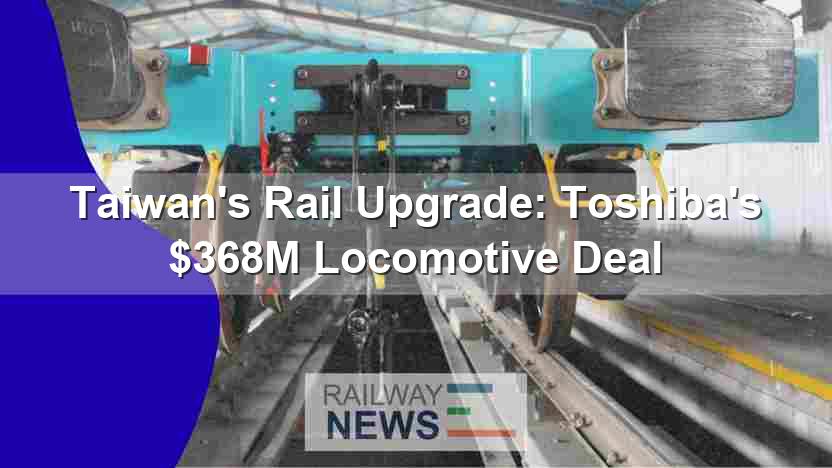
This article analyzes the significant contract awarded to Toshiba Infrastructure Systems & Solutions (TISS) by the Taiwan Railways Administration (TRA) for the supply of 68 electric locomotives. This procurement represents a substantial investment in modernizing Taiwan’s rail infrastructure and marks a notable shift in the TRA’s locomotive sourcing strategy. The contract’s implications extend beyond the immediate delivery of rolling stock, encompassing broader considerations of technological advancements in electric locomotive design, the strengthening of international collaborations in the railway sector, and the ongoing modernization efforts within Taiwan’s transportation network. We will delve into the specifics of the contract, examining the technical specifications of the locomotives, the strategic rationale behind TRA’s decision, and the wider context of recent investments in Taiwan’s railway system. We will also explore the competitive landscape of the global railway equipment market and the implications of this large-scale procurement for both TISS and the TRA.
Technological Advancements in Electric Locomotive Design
The 68 electric locomotives ordered by the TRA from TISS represent a significant technological upgrade for Taiwan’s railway system. These locomotives are designed for both passenger and freight services, highlighting the versatility of the design. Their introduction signifies a move towards more efficient and environmentally friendly transportation. While specifics about the technical features of these locomotives are limited in publicly available information, it can be assumed that they incorporate modern technologies aimed at maximizing energy efficiency, improving operational safety, and enhancing passenger comfort. The fact that this is the first time TRA has procured complete electric locomotives from Japan suggests that TISS is offering advanced features and performance exceeding the capabilities of previously utilized equipment.
Strategic Rationale and International Collaboration
The TRA’s decision to award this contract to TISS demonstrates a strategic focus on modernizing its aging fleet and improving overall service quality. The procurement signifies a shift toward a more modern and efficient rail network capable of handling increasing passenger and freight demands. Choosing a Japanese manufacturer signals the importance of strong international collaborations in the development and deployment of advanced railway technology. This collaboration also extends the existing relationship between TISS and TRA, strengthening the technical expertise and support network available to the Taiwanese rail system.
Taiwan’s Rail Modernization Efforts and Market Competition
The TISS contract is part of a larger trend of significant investments in Taiwan’s rail infrastructure. Recent contracts awarded to other manufacturers such as Stadler (for diesel-electric locomotives) and Hitachi (for electric multiple units – EMUs) indicate a significant push to modernize and expand the country’s rail network. This level of investment highlights the Taiwanese government’s commitment to sustainable and efficient transportation solutions. The competitive bidding process involving multiple international manufacturers underscores the robust nature of the global railway equipment market. This dynamic market drives innovation, fostering the development of advanced railway technologies.
Conclusion
The awarding of a $368 million contract to TISS by the TRA for 68 electric locomotives represents a pivotal moment in the modernization of Taiwan’s railway system. This significant investment signifies a commitment to enhancing both passenger and freight services through the adoption of cutting-edge technology. The contract’s impact extends beyond the immediate delivery of locomotives, underscoring the growing importance of international collaboration in the railway sector. The procurement, alongside other recent large-scale investments in Taiwan’s rail network, reflects a broader strategy focused on sustainable and efficient transportation solutions. The successful completion of this project will undoubtedly improve the overall efficiency and capacity of the Taiwanese rail network, while also strengthening the technological and strategic partnerships between Taiwan and Japan. Additionally, the competitive landscape of this large-scale procurement highlights the dynamism and innovation within the global railway equipment market, driving the continuous development of advanced railway technologies that benefit transportation systems worldwide. The careful consideration of technical specifications, strategic partnerships, and international competition all contribute to the successful modernization of rail networks and illustrate the complex factors influencing decisions in this vital sector.

Railway infrastructure, rolling stock and transport technologies specialist focused on global rail industry developments, high-speed rail systems, signaling technologies and freight transportation. Covering railway investments, public transport modernization, rail operations and international mobility projects across Europe, Asia and North America.
RELATED POSTS

October 8, 2026 1:15 pm
Alstom secured a €1bn contract to build 13 automated trains,...

October 1, 2026 7:09 am
United States regulators confirmed a September 30 deadline for the...

October 8, 2026 12:18 pm
Siemens Mobility signed an agreement with VinSpeed to supply 350...

October 4, 2026 5:14 pm
Alstom secured a CA$4.7 billion order from VIA Rail Canada...

October 5, 2026 6:12 pm
AECOM and Jacobs secured a contract in September 2026 to...

October 4, 2026 11:08 pm
Sound Transit confirmed the September 30 opening of Seattle Pinehurst...