
Sydney’s Waratah Series 2 Trains Arrive: A$4.3B Rail Upgrade
The Waratah Series 2 trains, arriving in Port of Newcastle as part of the NSW government’s “More Trains, More Services” program, represent a significant upgrade aimed at enhancing Sydney’s rail capacity and passenger experience through substantial technological advancements and accessibility features.
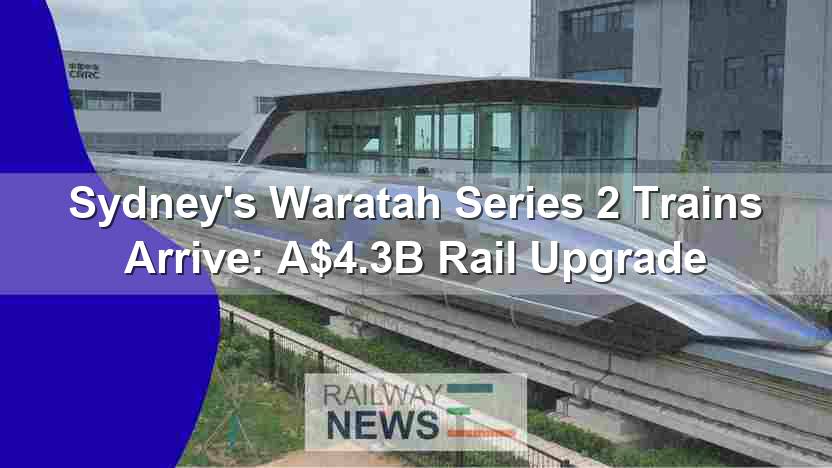
This article examines the arrival of the first two Waratah Series 2 trains in Port of Newcastle, Australia, and explores the broader context of this delivery within the NSW government’s significant investment in expanding Sydney’s rail network. The arrival marks a key milestone in the “More Trains, More Services” program, a substantial A$4.3 billion initiative aimed at enhancing Sydney’s rail capacity and passenger experience to meet the demands of a rapidly growing population and ridership. The article will delve into the specifics of the Waratah Series 2 trains, their technological advancements, the testing and commissioning process, and their ultimate contribution to improved public transport in Sydney. Finally, we’ll consider the implications of this project for future railway infrastructure development in Australia and the potential for similar large-scale upgrades in other metropolitan areas facing similar challenges.
Waratah Series 2 Train Specifications and Enhancements
The Waratah Series 2 trains represent a significant upgrade to Sydney’s existing fleet. These double-deck carriages offer increased passenger capacity compared to their predecessors. Key improvements include advanced air-conditioning systems with precise temperature control for enhanced passenger comfort, particularly crucial in Sydney’s variable climate. High-definition passenger information screens provide real-time updates on schedules, delays, and platform information, enhancing the overall passenger experience and improving accessibility for all riders. Accessibility features are also a priority, with dedicated wheelchair spaces, priority seating for the elderly and those with disabilities, and hearing aid loops incorporated into the design. Detailed internal and external CCTV systems enhance security and contribute to a safer travel environment. These features demonstrate a concerted effort to prioritize passenger comfort, accessibility, and security within the design and functionality of the new rolling stock.
Testing and Commissioning Procedures
Upon arrival at the Port of Newcastle, the trains underwent a rigorous testing and commissioning phase. This crucial stage involved detailed checks of all onboard systems, from the air conditioning and passenger information systems to the braking systems and other safety-critical components. The testing process was strategically planned to minimize disruption to existing rail services, with most testing activities scheduled for nighttime and weekends. Following the initial testing at Cardiff, the trains were transferred to the Auburn Maintenance Centre for further testing and integration into the Sydney Trains network. This multi-stage approach ensures the trains meet stringent safety and performance standards before entering passenger service.
The “More Trains, More Services” Program
The arrival of the Waratah Series 2 trains is a critical component of the NSW government’s ambitious “More Trains, More Services” program. This A$4.3 billion initiative aims to significantly expand Sydney’s rail network capacity and service frequency. The program includes not only the procurement of new rolling stock, but also investments in infrastructure upgrades, signaling improvements, and station refurbishments. This holistic approach is necessary to support the increasing passenger numbers and ensure the efficiency and reliability of the rail system for years to come. The program’s success hinges on a coordinated approach integrating new trains with existing infrastructure and operational systems.
Future Implications for Australian Rail Infrastructure
The Waratah Series 2 project serves as a significant example of large-scale investment in public transportation infrastructure in Australia. The success of this project, in terms of on-time delivery, budget adherence, and passenger satisfaction, will have significant implications for future rail infrastructure projects across the country. It showcases the importance of strategic planning, robust procurement processes, and thorough testing and commissioning to ensure the delivery of high-quality, reliable, and accessible public transport. Additionally, the emphasis on passenger comfort, accessibility, and security within the design of the Waratah Series 2 trains sets a high benchmark for future rolling stock acquisitions. The project’s success highlights the potential for similar large-scale upgrades in other major Australian cities facing growing commuter demands, potentially inspiring similar initiatives and demonstrating the tangible benefits of such investments.
Conclusions
The arrival of the first two Waratah Series 2 trains in Sydney marks a crucial step in enhancing the city’s public transport network. The “More Trains, More Services” program, of which this delivery is a key element, demonstrates a significant commitment to upgrading Sydney’s rail infrastructure to meet the needs of a rapidly expanding population. The trains themselves represent a substantial technological advancement, incorporating features designed to improve passenger comfort, accessibility, and safety. The rigorous testing and commissioning process ensures the trains meet the highest safety standards before entering passenger service. Looking ahead, the successful implementation of this project sets a precedent for future rail infrastructure upgrades in Australia, highlighting the benefits of strategic investment and a holistic approach to public transport planning. The experience gained from this project will inform future initiatives, promoting the development of efficient, reliable, and passenger-centric rail systems across the nation. Ultimately, the Waratah Series 2 trains signify not just an upgrade to Sydney’s fleet but a commitment to a more sustainable and efficient public transportation future. The project’s success underscores the vital role of integrated transport planning and the transformative potential of significant public investment in improving the quality of life for urban dwellers across Australia.

Railway infrastructure, rolling stock and transport technologies specialist focused on global rail industry developments, high-speed rail systems, signaling technologies and freight transportation. Covering railway investments, public transport modernization, rail operations and international mobility projects across Europe, Asia and North America.
RELATED POSTS

October 8, 2026 1:15 pm
Alstom secured a €1bn contract to build 13 automated trains,...

October 1, 2026 7:09 am
United States regulators confirmed a September 30 deadline for the...

October 8, 2026 12:18 pm
Siemens Mobility signed an agreement with VinSpeed to supply 350...

October 4, 2026 5:14 pm
Alstom secured a CA$4.7 billion order from VIA Rail Canada...

October 5, 2026 6:12 pm
AECOM and Jacobs secured a contract in September 2026 to...

October 4, 2026 11:08 pm
Sound Transit confirmed the September 30 opening of Seattle Pinehurst...