
Sydney Metro West: TBM Milestone Fuels Underground Connectivity
Sydney Metro West TBM’s reach Parramatta, nearing completion of 24km underground line. Project aims to boost Sydney’s public transport.
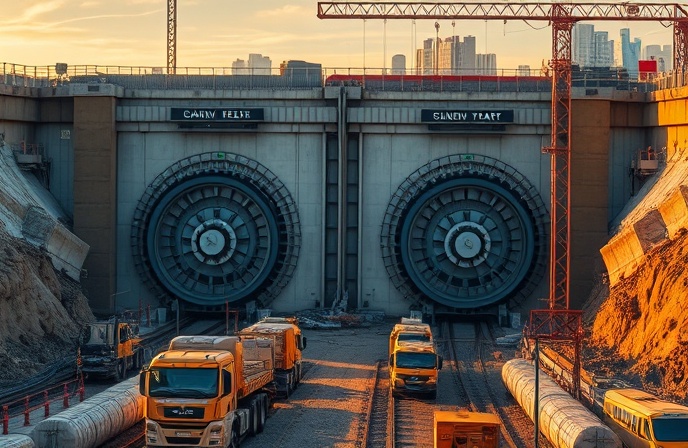
Sydney Metro West: TBMs Reach Major Milestone, Paving the Way for Underground Connectivity
The Sydney Metro West project, a transformative infrastructure undertaking, is accelerating towards completion. Two Tunnel Boring Machines (TBMs), Dorothy and Betty, have arrived at Parramatta, marking a significant milestone in the construction of this crucial railway line. The project, connecting Greater Parramatta to the Sydney Central Business District (CBD) via a new 24-kilometre underground metro, is now 90% complete in terms of tunnelling. This article will delve into the progress of this ambitious project, examining the TBM operations, station construction, and the anticipated impact on urban development. The Sydney Metro West project, spearheaded by Transport for NSW, aims to alleviate congestion, enhance connectivity, and foster economic growth across the metropolitan area.
Tunnelling Triumph: The Journey of Dorothy and Betty
The arrival of TBM Dorothy at Parramatta last week, after breaking through a solid rock wall, highlights the relentless efforts of the project team. Her counterpart, TBM Betty, is nearing the completion of its tunnel to Westmead, being 175 metres away after departing Parramatta on July 17th. These colossal machines, operating five days a week for 17 months, have tirelessly carved tunnels between Sydney Olympic Park and Parramatta. Their relentless work ethic has resulted in the excavation of approximately 1.25 million tonnes of earth. Additionally, these TBMs installed over 48,000 precast concrete segments, each weighing up to 4 tonnes. These segments are crucial for lining the seven-kilometre tunnels, providing structural integrity and ensuring the long-term stability of the underground infrastructure. Both machines are scheduled to conclude their main line tunnelling by the end of 2025, signalling a critical step towards operational readiness.
Station Construction and Urban Integration
The construction of station boxes represents another crucial phase in the Sydney Metro West project. Six of the nine station boxes – The Bays, Five Dock, Burwood North, North Strathfield, Sydney Olympic Park and Westmead – have already been excavated and lined. Work continues apace at the remaining stations: Parramatta, Pyrmont, and Hunter Street in the Sydney CBD. The Parramatta metro station is particularly noteworthy as it will be integrated into a mixed-use development, spanning 24,150 square metres. This integrated development will include four buildings and provide roughly 100 new residential units, along with office and retail spaces. Dining, and entertainment offerings will enhance the livability of the area. The new transit hub will be adjacent to Light Rail services, and connect directly to the new Civic Link, a 450-metre pedestrian route leading to the Powerhouse Parramatta, thereby enhancing pedestrian connectivity.
Technological Innovations and Engineering Challenges
The Sydney Metro West project exemplifies advancements in tunnelling technology and engineering. The use of TBMs, with their advanced capabilities in rock excavation and segment installation, has streamlined the tunnelling process. The project presents numerous challenges, including navigating complex geological formations and managing the logistics of excavating massive volumes of earth. Environmental considerations are also paramount, with stringent measures in place to minimize the impact on the surrounding ecosystems. This also includes careful planning and coordination to maintain safe working conditions and minimize disruption to communities along the route. These factors underscore the project’s complexity, requiring a collaborative approach from all parties involved.
Conclusion
The Sydney Metro West project is on track to become a landmark achievement in urban infrastructure development. The progress made in tunnelling, station construction, and integration with mixed-use developments underscores its significance. Upon completion, the project is poised to revolutionize public transport in Sydney. The new line is expected to reduce travel times, alleviate traffic congestion, and boost economic activity. The project’s success will also provide crucial insights for future infrastructure endeavors, particularly concerning the use of TBMs, station box construction, and integrated urban design. The lessons learned will be invaluable for upcoming railway projects across Australia and beyond. Looking ahead, the focus will be on finalizing the remaining station construction and ensuring the smooth integration of the new metro line into Sydney’s existing transport network. The commissioning phase will be followed by a detailed testing program to ensure the system’s safety, efficiency, and reliability. This project will enhance the quality of life for Sydney residents by improving access and promoting sustainable mobility.

Railway infrastructure, rolling stock and transport technologies specialist focused on global rail industry developments, high-speed rail systems, signaling technologies and freight transportation. Covering railway investments, public transport modernization, rail operations and international mobility projects across Europe, Asia and North America.
RELATED POSTS

October 8, 2026 1:15 pm
Alstom secured a €1bn contract to build 13 automated trains,...

October 1, 2026 7:09 am
United States regulators confirmed a September 30 deadline for the...

October 4, 2026 5:14 pm
Alstom secured a CA$4.7 billion order from VIA Rail Canada...

October 5, 2026 6:12 pm
AECOM and Jacobs secured a contract in September 2026 to...

October 1, 2026 12:13 am
Illinois approved $1.5 billion annually for the Northern Illinois Transit...

October 4, 2026 11:08 pm
Sound Transit confirmed the September 30 opening of Seattle Pinehurst...