
Sydney Metro Northwest: Optimizing Global Rail Safety & Efficiency
Optimize your railway for safety and efficiency. Learn how the Sydney Metro Northwest project’s best practices can revolutionize your infrastructure.
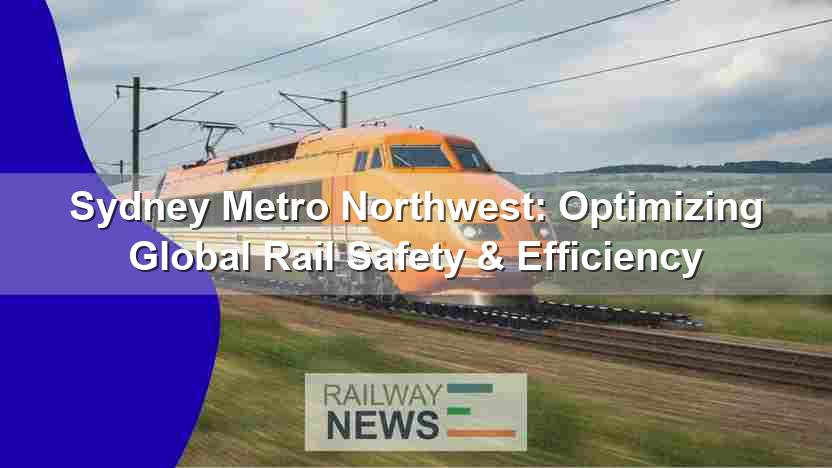
The global railway industry faces immense pressure to improve safety and operational efficiency while simultaneously addressing growing passenger demands. This article explores the intricate interplay between infrastructure design, maintenance protocols, and operational strategies, highlighting crucial factors that contribute to a robust and reliable rail network. We will examine the critical elements needed to ensure a safe, efficient, and sustainable rail system, drawing valuable insights from successful projects like the Sydney Metro Northwest, which exemplify best practices in modern rail construction and operations. This examination will explore the key aspects impacting both passenger safety and the economic viability of railway systems, ultimately demonstrating how integrated approaches can enhance the overall experience for passengers and stakeholders alike. The importance of proactive risk assessment, advanced technologies, and meticulous maintenance procedures in achieving these goals will also be thoroughly analyzed. We will explore how lessons learned from successful implementations can be applied to other railway projects globally.
Infrastructure Design and Safety Features
Thorough engineering and meticulous design are fundamental to safety in railway infrastructure. This involves considering the potential impact of various environmental factors on the integrity of the tracks and signaling systems. Robust design principles incorporated into the Sydney Metro Northwest include advanced material science in track construction for increased durability, strategic placement of safety barriers, and the implementation of sophisticated interlocking mechanisms that maintain the integrity of train movements. This chapter argues for the necessity of rigorous engineering studies that anticipate potential risks, incorporate redundancy into critical systems, and proactively address environmental considerations to mitigate safety hazards. This careful design approach not only prevents incidents but also contributes to the longevity and efficiency of the railway system in the long term.
Maintenance and Inspection Protocols for Proactive Safety
Proactive maintenance and rigorous inspection protocols are paramount to preventing costly and potentially dangerous incidents. This involves a detailed understanding of the wear and tear on different components of the railway system, from track ballast to signaling systems. The inspection frequency and methodologies need to be tailored to the specific operating conditions and the materials used in construction. The case of the Sydney Metro Northwest exemplifies this principle. The implementation of advanced inspection technologies like non-destructive testing methods allows for early detection of potential issues. This chapter argues for implementing a detailed maintenance schedule that accounts for the specific needs of the region’s climatic conditions and the types of trains used, preventing degradation and ensuring the prolonged operational safety of the system.
Operational Protocols and Training for Enhanced Efficiency
Effective training programs and adherence to strict operational protocols are essential for safety and efficiency within a railway system. This includes robust crew training and simulation exercises that equip personnel with skills to handle potential emergencies and adhere to established safety procedures. Implementing advanced safety technologies, such as automatic train protection (ATP) and communication-based train control (CBTC), is vital for preventing accidents. By ensuring a well-trained workforce and incorporating advanced technologies, railway operators can create a safer and more efficient system that ensures the reliable movement of passengers and freight. This chapter advocates for a detailed training strategy and the strategic integration of advanced technology to enhance the operational efficiency of the network. Examples such as the Sydney Metro Northwest emphasize the importance of integrating these aspects for sustainable operation.
Conclusions: A Holistic Approach to Railway Safety and Efficiency
This article has explored the critical aspects of railway infrastructure, maintenance, operational protocols, and safety technologies. The analysis reveals that a truly robust and efficient railway system necessitates a holistic approach encompassing all these components. The integration of advanced technologies, such as advanced sensors, automation, and real-time data analysis, plays a crucial role in enhancing the efficiency of maintenance and operations. By prioritizing proactive risk assessment, implementing detailed maintenance protocols, and fostering a safety-conscious culture within the workforce, railway operators can significantly reduce the likelihood of incidents and enhance the overall reliability and safety of the system. The positive impact of such a strategy is evident in successful projects like the Sydney Metro Northwest. These initiatives also contribute to the positive image of the railway system and fosters greater public confidence in its safety and efficacy. Moreover, a focus on sustainable infrastructure planning, which incorporates long-term maintenance considerations and efficient resource management, can dramatically contribute to the long-term financial viability and sustainability of the rail network.
The Sydney Metro Northwest project showcases an excellent example of how well-designed infrastructure, proactive maintenance strategies, and strict operational protocols can synergize to deliver a safe, efficient, and sustainable rail system. It also highlights the importance of investing in advanced technology to proactively mitigate risks. The overarching theme is that a robust and safe rail network is not merely about individual components, but about the seamless integration of all these elements within a holistic framework that optimizes both passenger safety and operational efficiency. This holistic approach ensures that railway systems not only meet current needs but also anticipate future challenges, ensuring their sustainable and robust operation for generations to come. The focus on proactive safety measures, exemplified by the Sydney Metro Northwest, exemplifies the paradigm shift in railway management, emphasizing the need for a detailed and anticipatory approach to safety and efficiency in the rail industry. The lessons from projects such as the Sydney Metro Northwest should inspire global railway organizations to adopt similar proactive strategies for enhancing safety and efficiency in their respective systems.
You might be interested in:
Last February 2019, we published an article about safety crises in India’s railway system. Click here to read – India’s 2019 Bihar Train Derailment: A Safety Crisis

Railway infrastructure, rolling stock and transport technologies specialist focused on global rail industry developments, high-speed rail systems, signaling technologies and freight transportation. Covering railway investments, public transport modernization, rail operations and international mobility projects across Europe, Asia and North America.
RELATED POSTS

October 8, 2026 1:15 pm
Alstom secured a €1bn contract to build 13 automated trains,...

October 4, 2026 5:14 pm
Alstom secured a CA$4.7 billion order from VIA Rail Canada...

October 5, 2026 6:12 pm
AECOM and Jacobs secured a contract in September 2026 to...

October 1, 2026 12:13 am
Illinois approved $1.5 billion annually for the Northern Illinois Transit...
October 5, 2026 1:13 pm
New York MTA confirmed a late 2026 DEIS release for...

October 4, 2026 11:08 pm
Sound Transit confirmed the September 30 opening of Seattle Pinehurst...