
Sydney Metro: Laing O’Rourke’s Rail Innovation
Sydney Metro’s Central Station upgrade: A $745 million project demanding innovative engineering and seamless integration – discover how Laing O’Rourke is delivering!
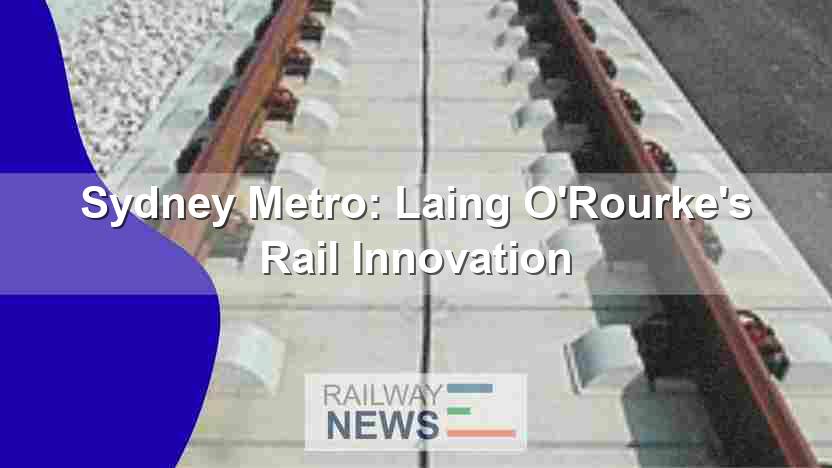
This article examines the significant A$955 million ($745.2 million USD) contract awarded to Laing O’Rourke for the expansion and upgrade of Sydney’s Central Station and the integration of the new Sydney Metro. The project represents a substantial investment in Sydney’s public transport infrastructure, aiming to improve connectivity, capacity, and passenger experience within a vital transport hub. We will explore the scope of the project, the complexities involved in its execution, the collaborative nature of the undertaking, and the long-term implications for Sydney’s transport network. The scale of the project, involving the construction of underground platforms, tunnels, and significant station upgrades, necessitates a detailed understanding of the engineering challenges and logistical considerations. Additionally, the project’s integration with existing light rail, suburban, intercity rail, and bus services highlights the need for seamless modal integration and efficient passenger flow. The project’s success will be crucial in enhancing Sydney’s overall transport efficiency and accommodating projected passenger growth.
Central Station Redevelopment and Metro Integration
The core of the project involves constructing new Sydney Metro platforms approximately 27 meters below the existing Central Station platforms. This requires advanced tunneling techniques and meticulous planning to minimize disruption to existing rail operations. The creation of “Central Walk,” a 19-meter-wide tunnel connecting Chalmers Street to the new platforms, is a critical component, improving pedestrian access and facilitating seamless transfers between different modes of transport. The integration of the new metro with existing light rail, suburban, intercity rail, and bus services requires careful coordination and innovative design to ensure smooth passenger flow and efficient interchange. The upgrade to the existing Central Station and Northern Concourse further enhances the overall passenger experience, modernizing facilities and improving accessibility.
Engineering and Logistical Challenges
Constructing new platforms 27 meters below a heavily utilized station like Central Station presents immense engineering challenges. These include ground stability considerations, the need for precise alignment of tunnels and platforms, and the management of potential ground subsidence. Minimizing disruption to existing train services during construction is paramount, requiring intricate phasing plans and close collaboration with rail operators. The logistical complexities of working in a confined urban environment, with existing infrastructure and pedestrian traffic to consider, further increase the challenges. The project demands sophisticated engineering solutions, including advanced tunneling methods and precise construction techniques to ensure safety and timely completion.
Collaborative Partnerships and Expertise
Laing O’Rourke’s success relies on its strategic partnerships. The collaboration with architecture firms Woods Bagot and John McAslan + Partners, alongside engineering firms GHD and Aurecon, brings together a diverse range of expertise. This multidisciplinary approach is crucial for overcoming the complex technical and logistical hurdles of the project. Each partner contributes specialized knowledge in areas such as architectural design, structural engineering, geotechnical engineering, and project management. This collaboration ensures effective communication, efficient problem-solving, and the integration of various design and construction aspects for optimal project outcomes.
Impact and Future Implications
The project will significantly enhance Sydney’s transport network by increasing capacity, improving connectivity, and providing a modern, integrated transport hub. The anticipated increase in passenger numbers from 250,000 to 450,000 in the next two decades underscores the importance of this expansion. The seamless integration of various modes of transport promises to streamline travel within the city, promoting efficient movement of people and goods. The completion of the Sydney Metro City & Southwest project, including 30km of new track and numerous stations by 2024, represents a significant step towards a more sustainable and efficient public transport system. The project serves as a model for large-scale urban infrastructure projects, demonstrating the potential for significant improvements in transport efficiency and passenger experience through collaborative efforts and innovative engineering solutions. Additionally, the substantial employment opportunities generated during construction highlight the project’s contribution to the local economy.
Conclusion
The A$955 million contract awarded to Laing O’Rourke for the Sydney Metro expansion at Central Station represents a transformative undertaking in Sydney’s public transport infrastructure. The project’s scope, encompassing the construction of new underground platforms, the creation of Central Walk, and the upgrade of Central Station, presents considerable engineering and logistical challenges. However, Laing O’Rourke’s collaboration with leading architectural and engineering firms, coupled with its extensive experience in complex transport projects, positions the project for success. The successful integration of the new metro with existing transport modes will significantly enhance Sydney’s transport network, improving capacity, connectivity, and passenger experience, while addressing future growth demands. This project, therefore, signifies not only a substantial investment in Sydney’s future but also serves as a case study in collaborative project delivery, demonstrating the potential of combining diverse expertise to overcome complex challenges in urban infrastructure development. The successful completion of the project will significantly impact Sydney’s daily commutes, setting a precedent for future large-scale transportation infrastructure projects around the globe.

Railway infrastructure, rolling stock and transport technologies specialist focused on global rail industry developments, high-speed rail systems, signaling technologies and freight transportation. Covering railway investments, public transport modernization, rail operations and international mobility projects across Europe, Asia and North America.
RELATED POSTS

October 8, 2026 1:15 pm
Alstom secured a €1bn contract to build 13 automated trains,...

October 1, 2026 7:09 am
United States regulators confirmed a September 30 deadline for the...

October 8, 2026 12:18 pm
Siemens Mobility signed an agreement with VinSpeed to supply 350...

October 4, 2026 5:14 pm
Alstom secured a CA$4.7 billion order from VIA Rail Canada...

October 5, 2026 6:12 pm
AECOM and Jacobs secured a contract in September 2026 to...

October 1, 2026 12:13 am
Illinois approved $1.5 billion annually for the Northern Illinois Transit...