
Sustainable Rail Revolution: Engineered Polymer Sleepers
Engineered Polymer Sleepers (EPS) represent a revolutionary shift in railway infrastructure by offering sustainable, durable, and technologically advanced solutions to meet the global demand for high-speed rail networks.
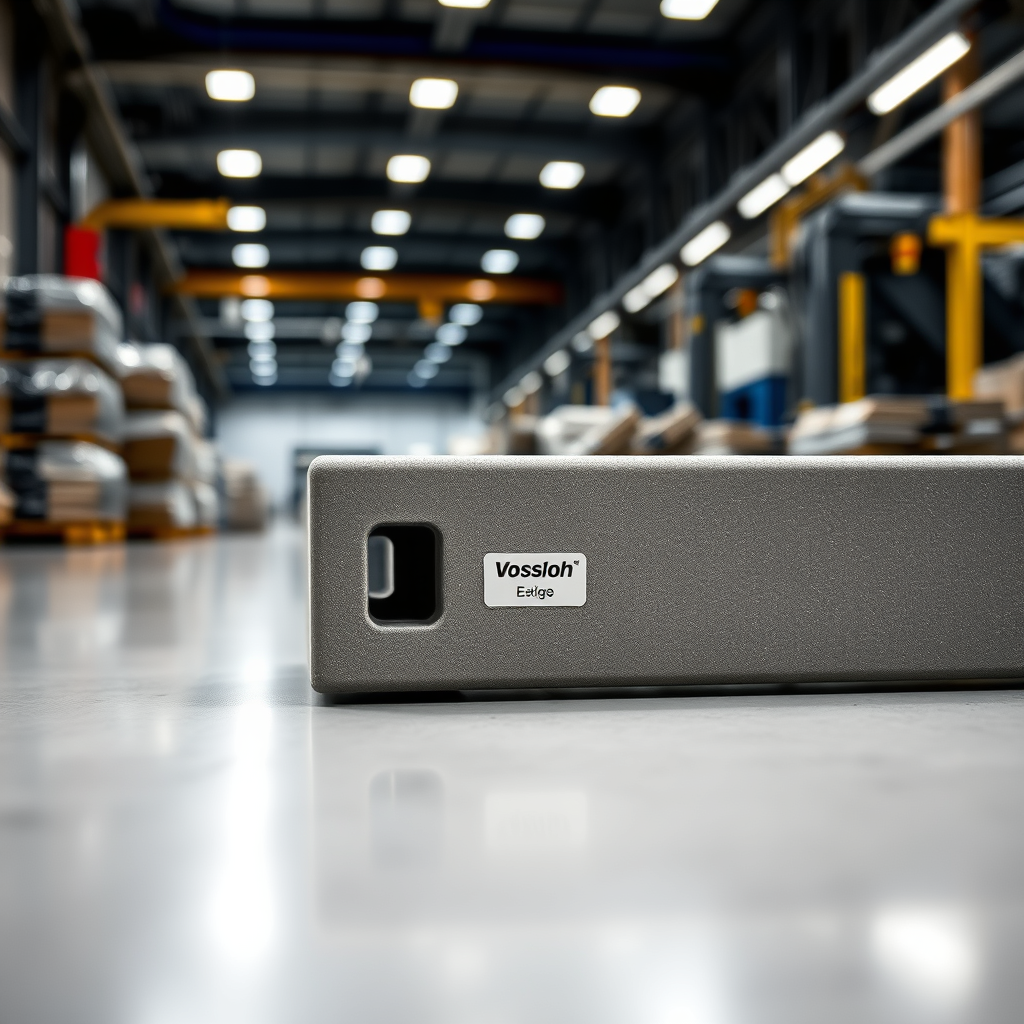
The global railway industry is undergoing a significant transformation driven by the urgent need for sustainable and high-performing infrastructure solutions. This article explores the recent advancements in railway sleeper technology, focusing on the groundbreaking introduction of Engineered Polymer Sleepers (EPS) by Vossloh, a leading German manufacturer. The opening of Vossloh’s first EPS production facility in Poland marks a pivotal moment, representing a substantial shift away from traditional wood and concrete sleepers towards a more environmentally conscious and technically superior alternative. This innovative approach addresses concerns regarding the environmental impact of traditional materials, the increasing scarcity of suitable timber, and the demanding requirements of modern high-speed rail networks. We will examine the technological advancements behind EPS, its environmental benefits, the implications for the global railway industry, and the potential for future growth in this rapidly evolving sector.
The Technological Advancement of Engineered Polymer Sleepers
Vossloh’s Engineered Polymer Sleepers (EPS) represent a significant leap forward in railway sleeper technology. Developed over a decade, these sleepers utilize a composite material engineered for exceptional durability and longevity. Unlike traditional wooden sleepers, susceptible to rot, insect infestation, and degradation, and concrete sleepers, which are heavy and energy-intensive to produce, EPS offer superior resistance to these challenges. The polymer composite’s precise formulation allows for tailored properties, optimizing strength, stiffness, and fatigue resistance to meet the specific demands of different track environments and train speeds. This advanced material science contributes to extended service life, reducing the need for frequent replacements and minimizing lifecycle costs.
Environmental Sustainability and the EPS Production Process
A key driver behind the development of EPS is its inherent environmental sustainability. The production process at the Nowe Skalmierzyce facility prioritizes eco-friendly practices. The plant utilizes green electricity, minimizing its carbon footprint. Additionally, the design incorporates energy recovery and reuse strategies, optimizing resource efficiency. Critically, EPS are fully recyclable at the end of their lifespan, addressing the considerable waste associated with traditional sleeper materials. This closed-loop system minimizes environmental impact and contributes to a circular economy. This contrasts sharply with the environmental concerns surrounding chemically treated wooden sleepers, whose leaching chemicals pose risks to soil and water ecosystems, and the high embodied energy associated with concrete sleeper production.
Global Market Implications and Future Growth
Vossloh’s strategic investment in EPS production underscores the growing global demand for sustainable and high-performance railway infrastructure. With the increasing adoption of sustainable practices in the construction industry and the implementation of regulations limiting the use of chemically treated timber sleepers, the market for alternative solutions is expanding rapidly. Vossloh’s established global presence, with projects spanning across Europe, Egypt, China, and Norway, highlights the broad appeal of EPS. This expansion showcases the international recognition of EPS’s superior properties and environmental benefits, signaling a potential paradigm shift in railway construction and maintenance worldwide.
Conclusion
The inauguration of Vossloh’s EPS production facility in Poland signifies a pivotal moment in the evolution of railway technology. The shift towards Engineered Polymer Sleepers presents a compelling solution to the limitations of traditional materials, addressing both environmental concerns and the need for robust, long-lasting infrastructure. The inherent sustainability of EPS, combined with its superior performance characteristics, promises significant advantages over wood and concrete sleepers. The fully recyclable nature of the material, coupled with the environmentally conscious manufacturing process, positions EPS as a key element in the development of greener rail transport systems. The successful implementation of this technology by Vossloh, along with their global reach, suggests a significant impact on the future of railway infrastructure worldwide. This innovation is not merely a technological advancement; it represents a responsible and forward-thinking approach to building sustainable and efficient railway networks for generations to come. The long-term economic benefits, stemming from reduced maintenance costs and extended lifespan, combined with the significant environmental advantages, strongly suggest that EPS will become a cornerstone of future railway infrastructure development globally. The industry should anticipate increased adoption of this technology as sustainability standards become stricter and the demand for durable, high-performance track solutions continues to rise.

Railway infrastructure, rolling stock and transport technologies specialist focused on global rail industry developments, high-speed rail systems, signaling technologies and freight transportation. Covering railway investments, public transport modernization, rail operations and international mobility projects across Europe, Asia and North America.
RELATED POSTS

October 1, 2026 7:09 am
United States regulators confirmed a September 30 deadline for the...

October 8, 2026 1:15 pm
Alstom secured a €1bn contract to build 13 automated trains,...

October 4, 2026 5:14 pm
Alstom secured a CA$4.7 billion order from VIA Rail Canada...

October 4, 2026 11:08 pm
Sound Transit confirmed the September 30 opening of Seattle Pinehurst...
October 1, 2026 10:14 am
HS2 installed a 55-metre steel span in Birmingham, completing phase...

October 5, 2026 6:12 pm
AECOM and Jacobs secured a contract in September 2026 to...