
Strategic Rail Contract Management: A Guide
Master railway contract management for on-time, cost-effective projects. Discover how strategic contracts optimize infrastructure and boost efficiency!
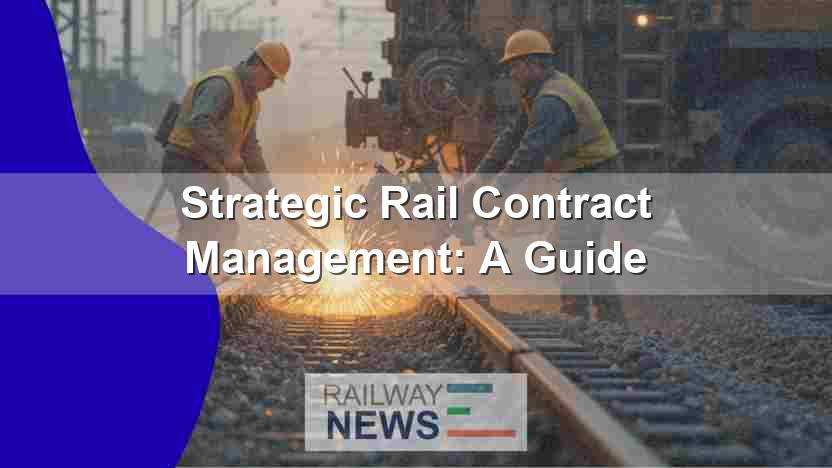
The efficiency and effectiveness of railway systems globally are intrinsically linked to the meticulous planning and execution of rail contracts. This article explores the critical aspects of managing rail contracts, exploring how strategic contract management can optimize railway infrastructure development and maintenance. We will examine the intricacies of contract negotiation, risk mitigation, performance monitoring, and the vital role of collaboration between stakeholders to ensure successful project delivery. Understanding these components is paramount for railway organizations aiming to achieve cost-effectiveness, enhance operational efficiency, and deliver projects that meet the highest standards of safety and quality. The complexities involved in large-scale railway projects, encompassing everything from track laying and signaling systems to rolling stock procurement and station renovations, demand a highly sophisticated approach to contract management. This article will provide insights into best practices that can improve the entire lifecycle of rail projects, from initial planning to final completion and beyond.
Negotiating Effective Rail Contracts
The negotiation phase is crucial in setting the foundation for a successful project. Clearly defined specifications, detailed scopes of work, and realistic timelines are paramount. This includes meticulous attention to payment terms, including milestones and incentives, and the establishment of clear channels for communication and dispute resolution. Ambiguity must be avoided at all costs. Thorough due diligence on potential contractors, including assessment of their financial stability, technical capabilities, and past performance, is essential. Understanding and managing risks associated with potential delays, cost overruns, and unforeseen circumstances are critical elements of effective negotiation. A well-drafted contract should incorporate robust clauses addressing these eventualities.
Risk Management and Mitigation in Rail Projects
Railway projects inherently involve a multitude of potential risks. These range from environmental concerns and geological challenges to labor disputes and supply chain disruptions. Proactive risk management strategies, incorporated into the contract framework, are vital. This involves identifying potential risks through thorough assessments, evaluating their likelihood and potential impact, and developing mitigation plans. Contingency planning is crucial, outlining alternative approaches to address potential disruptions and minimize delays. Insurance policies and surety bonds are important tools for risk transfer and financial protection. Regular risk reviews and updates throughout the project lifecycle are essential to adapt to changing circumstances.
Monitoring Contract Performance and Ensuring Compliance
Effective monitoring is crucial for ensuring that contractors adhere to the terms of the rail contracts. This involves establishing clear Key Performance Indicators (KPIs) and regular progress reporting. This might include tracking milestones, monitoring quality control, and ensuring adherence to safety standards. Regular site inspections, facilitated by competent engineers and project managers, are vital. Transparent communication channels between the railway authority and the contractor are essential. Prompt identification and resolution of any performance issues are crucial to prevent escalation and potential project delays. Regular review meetings should facilitate open discussion of challenges and provide opportunities for corrective action.
Collaboration and Stakeholder Engagement
Successful rail projects depend on effective collaboration among all stakeholders – the railway authority, contractors, subcontractors, suppliers, and the community. Open communication, regular meetings, and transparent information sharing are vital for fostering a collaborative environment. Early and consistent engagement with the community can address concerns and minimize potential conflicts. Collaborative problem-solving approaches should be adopted to resolve disputes efficiently and avoid costly delays. A culture of trust and mutual respect is crucial for achieving optimal project outcomes. The successful integration of all parties ensures that the project stays on track and adheres to budget.
Conclusion
Strategic contract management is not merely a contractual obligation; it’s a fundamental element in the successful delivery of railway infrastructure projects. The meticulous planning involved in drafting rail contracts, coupled with proactive risk management, thorough performance monitoring, and robust stakeholder engagement, collectively contribute to project success. Negotiating clear and detailed rail contracts that address potential challenges and incorporate mitigation strategies is crucial. Effective monitoring mechanisms help ensure that projects remain on schedule and within budget while maintaining high standards of quality and safety. By fostering collaboration among stakeholders, fostering a shared understanding of goals and responsibilities, railway organizations can significantly enhance the efficiency and effectiveness of their infrastructure development and maintenance programs. The significance of well-managed rail contracts cannot be overstated; they are the cornerstone of a robust, reliable, and efficient railway network. By adhering to best practices and employing sophisticated contract management strategies, railway authorities can significantly reduce risks, optimize resource allocation, and ensure that rail projects deliver both expected outcomes and value for money. The long-term implications of robust contract management contribute directly to the sustainability and resilience of railway systems worldwide, ensuring the ongoing provision of safe and efficient transportation services. The efficient management of rail contracts is a key driver of economic growth and mobility, contributing to societal benefit.
You might be interested in:
Last May 2019, we published an article about Irish Rail’s electrifying upgrade of its rail network. Click here to read – Irish Rail: 600 New Electric Trains, A Green Revolution

Railway infrastructure, rolling stock and transport technologies specialist focused on global rail industry developments, high-speed rail systems, signaling technologies and freight transportation. Covering railway investments, public transport modernization, rail operations and international mobility projects across Europe, Asia and North America.
RELATED POSTS

October 1, 2026 7:09 am
United States regulators confirmed a September 30 deadline for the...

October 1, 2026 12:13 am
Illinois approved $1.5 billion annually for the Northern Illinois Transit...

October 1, 2026 6:10 am
Amtrak approved a System Expansion Committee on July 30 to...
October 1, 2026 4:10 am
DART launched two public ridership dashboards in March 2026 to...
October 1, 2026 3:12 am
Greenbrier confirmed Brian Comstock as new president and CEO effective...
October 1, 2026 5:14 am
Siemens confirmed delivery of the first new S200 train to...