
Stadler’s FLIRT H2: 2803km on Hydrogen Power
Stadler’s FLIRT H2 train set a new Guinness World Record by completing an unprecedented 46-hour, 2,803km journey on a single tank of hydrogen fuel, showcasing the potential of hydrogen-powered trains as a sustainable alternative to diesel engines in railway transport.
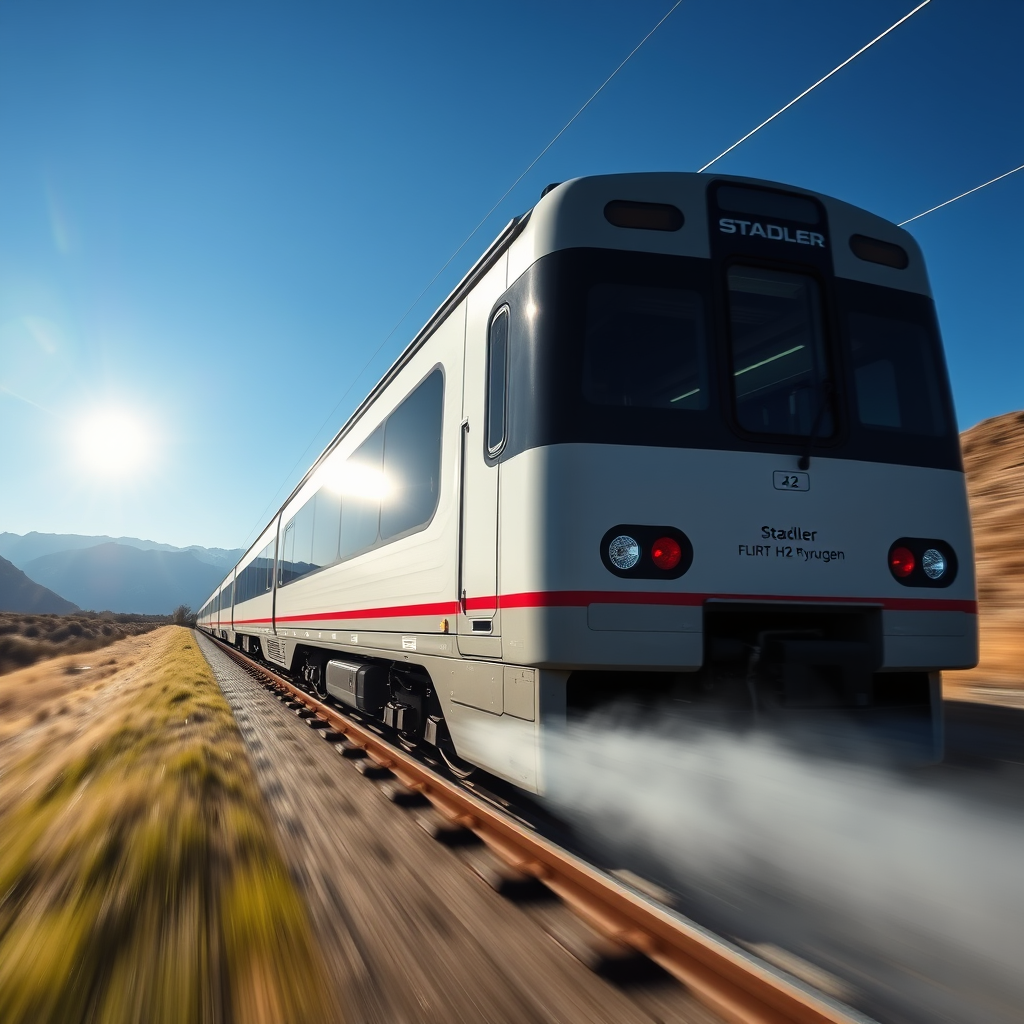
This article explores the groundbreaking achievement of Stadler, a Swiss rolling stock manufacturer, in setting a new Guinness World Record for the longest uninterrupted journey by a hydrogen-powered passenger train. Stadler’s FLIRT H2 (Flirt Hydrogen) train accomplished a remarkable 2,803km (1,741.7 miles) journey over 46 hours on a single tank of hydrogen fuel, showcasing a significant advancement in sustainable railway technology. This feat highlights the potential of hydrogen fuel cell technology as a viable alternative to traditional diesel-powered trains, addressing critical environmental concerns within the rail industry. The record-breaking run serves as a compelling demonstration of the technological maturity and operational capabilities of hydrogen-powered trains, paving the way for wider adoption and a transition towards cleaner, more environmentally friendly rail transportation. This article will delve into the technical specifications of the FLIRT H2, the significance of this record, its implications for the future of railway transport, and the ongoing development and deployment of this technology globally.
The Stadler FLIRT H2: A Technological Marvel
The FLIRT H2, a variant of Stadler’s popular FLIRT (Fast Light Efficient Regional Train) series, represents a significant leap forward in sustainable rail technology. The train’s innovative design incorporates a central “power pack” containing high-pressure hydrogen tanks and fuel cells. These fuel cells convert hydrogen into electricity, which is then stored in a traction battery and used to power the train’s drive system. This eliminates the need for traditional diesel engines, resulting in zero tailpipe emissions. This design, tested rigorously at Stadler’s Pueblo, Colorado test track with the support of ENSCO engineers, offers a clean and efficient solution for regional and commuter rail services.
The Guinness World Record: A Milestone for Hydrogen Rail
Stadler’s successful 46-hour, 2,803km journey on a single hydrogen tank is a monumental achievement, exceeding previous records significantly. This record-breaking run not only demonstrates the FLIRT H2’s technological prowess but also validates the feasibility and reliability of hydrogen-powered trains for long-distance operation. The successful completion of this test, meticulously planned and executed, provides invaluable operational data and demonstrates the high energy efficiency of hydrogen fuel cells in a railway application, inspiring confidence in the technology’s potential for large-scale deployment. The undertaking also highlights the collaborative effort between Stadler and its partners, emphasizing the synergistic approach needed to advance sustainable rail technologies.
Environmental Impact and Future Applications
The use of hydrogen fuel cells in railway transportation offers a substantial reduction in greenhouse gas emissions compared to traditional diesel locomotives. The FLIRT H2, producing zero tailpipe emissions, contributes directly to cleaner air and a smaller carbon footprint. This aligns perfectly with global efforts to mitigate climate change and promote environmentally responsible transportation solutions. The successful testing of the FLIRT H2 paves the way for the decarbonization of rail networks, particularly in areas where electrification may be impractical or expensive. The technology’s versatility makes it suitable for a wide range of rail applications, from regional commuter services to longer-distance routes, thereby offering a pathway for widespread adoption.
Deployment and Future Outlook
Stadler already has confirmed orders for FLIRT H2 trains in both the US and Europe. In the US, the San Bernardino County Transportation Authority (SBCTA) in California will deploy FLIRT H2 units, and a further order from Caltrans (California Department of Transportation) will see 10 units added for longer routes. In Europe, at least two Italian railway operators are among the 15 companies that have placed orders, demonstrating the growing international interest in hydrogen train technology. The success of the FLIRT H2 and similar technologies will likely prompt further investment in hydrogen infrastructure and the development of supporting technologies, fostering a more sustainable and environmentally friendly future for the rail industry.
Conclusions
Stadler’s world record-breaking journey with the FLIRT H2 hydrogen-powered train marks a significant turning point in sustainable railway technology. The 46-hour, 2,803km run on a single hydrogen tank showcases the maturity and reliability of this technology, effectively addressing concerns about range and operational efficiency. This achievement underscores the viability of hydrogen fuel cells as a practical alternative to diesel, contributing significantly to the reduction of greenhouse gas emissions in the rail sector. The successful testing and subsequent orders from both US and European railway operators highlight the growing global interest in and acceptance of hydrogen-powered trains. The future of rail transportation increasingly looks towards clean, sustainable alternatives, and Stadler’s FLIRT H2, with its demonstrated capabilities and operational efficiency, is positioned to play a pivotal role in this transition. The technology’s versatility, coupled with ongoing advancements in hydrogen production and storage, suggests that hydrogen-powered trains will become an increasingly important component of future railway networks worldwide, ultimately contributing to a more environmentally responsible and sustainable transportation system. This success story encourages further investment in research, development, and infrastructure to fully realize the potential of hydrogen fuel cell technology in the global rail industry.

Railway infrastructure, rolling stock and transport technologies specialist focused on global rail industry developments, high-speed rail systems, signaling technologies and freight transportation. Covering railway investments, public transport modernization, rail operations and international mobility projects across Europe, Asia and North America.
RELATED POSTS

October 4, 2026 5:14 pm
Alstom secured a CA$4.7 billion order from VIA Rail Canada...
October 9, 2026 3:11 pm
Wabtec secured a $700 million service deal in Guinea to...
October 1, 2026 3:12 am
Greenbrier confirmed Brian Comstock as new president and CEO effective...
October 1, 2026 8:12 am
Knorr-Bremse expanded its UK rail adhesion trial on Chiltern Railways...
October 9, 2026 6:15 am
Transflo launched a 40 railcar transload terminal in Petersburg, Virginia,...
October 8, 2026 8:15 pm
Siemens Mobility secured an order from NWL to supply 61...